Breed History
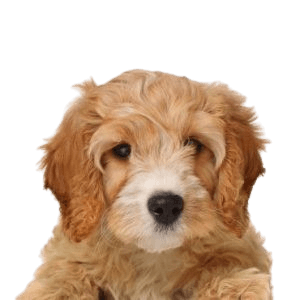
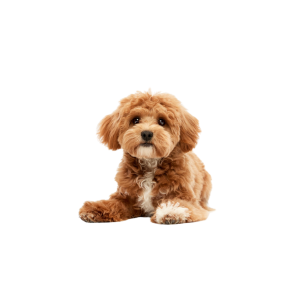
The Havachon is a re-latively modern hybrid breed that gained popularity in the early 2000s as demand increased for small, low-shedding companion dogs. To understand the Havachon, it helps to understand its parent breeds. The Havanese originated in Cuba and is the national dog of that country. Bred as companion dogs for Cuban aristocracy, Havanese are known for their affectionate and social nature.
The Bichon Frise has roots in the Mediterranean region and became popular in France. Historically favored by nobility, the Bichon was prized for its lively personality and distinctive white coat.
Breeders combined these two companion breeds to produce a small dog with strong social instincts, reduced shedding, and family-friendly temperament.
While not recognized as a purebred by the American Kennel Club, the Havachon has become widely recognized among families seeking a low-maintenance companion dog.
Temperament and Personality
Havachons are known for being affectionate, cheerful, and highly social.
Common temperament traits include:
- Friendly with strangers
- Playful and interactive
- Gentle with children
- Highly companion-oriented
- Eager to please
They typically do not display aggressive tendencies when properly socialized.
Because both parent breeds were developed as companion animals, Havachons often crave attention and prefer not to be left alone for long periods. They are intelligent and respond well to structured training. However, like many small breeds, consistency is essential to avoid stubborn behaviors.
Havachons generally do well in multi-pet households and adapt comfortably to family dynamics.
Environment and Living Needs
Havachons are highly adaptable.
Apartment Living:
Their size makes them well-suited to apartments and condos. As long as they receive daily exercise and interaction, they thrive in smaller living spaces.
Homes with Yards:
They enjoy secure outdoor play areas but do not require large yards.
Climate Considerations:
Their coat provides moderate insulation, but they should not be exposed to extreme heat for prolonged periods. In warmer climates like North Carolina or South Carolina summers, shaded areas and indoor cooling are important.
They do best in homes where someone is available for companionship throughout the day.
Exercise Requirements
Havachons have moderate energy levels.
Recommended daily activity includes:
- 20 to 30 minutes of walking
- Interactive play sessions
- Puzzle toys
- Light training exercises
Because they are small, their exercise needs are manageable. However, mental stimulation is important to prevent boredom.
Without adequate engagement, they may develop attention-seeking behaviors.
Grooming and Maintenance
Havachons are often sought after for their low-shedding coat, but grooming is still necessary.
Brushing:
3 to 4 times per week to prevent matting.
Professional Grooming:
Every 4 to 6 weeks is recommended.
Bathing:
Every 3 to 4 weeks or as needed.
Ear Cleaning:
Regular cleaning helps prevent infection, especially if the coat traps moisture.
Dental Care:
Daily brushing is ideal due to small breed dental sensitivity.
Nail Trimming:
Routine trimming every few weeks.
Regular grooming not only maintains appearance but also prevents skin irritation.
Health Considerations
While hybrid breeds may benefit from genetic diversity, Havachons can still inherit conditions from parent breeds.
Potential concerns include:
- Patellar luxation
- Hip dysplasia
- Cataracts
- Allergies
- Dental disease
Routine veterinary checkups and proper diet support long-term health.
Havachons typically live between 12 and 16 years with proper care.
Training and Socialization
Havachons are intelligent and eager to please, which makes training relatively straightforward.
Effective training methods include:
- Positive reinforcement
- Short, consistent sessions
- Early social exposure
- Basic obedience practice
House training consistency is particularly important during puppyhood.
They respond well to structured routines and gentle correction.
Is a Havachon Right for You?
A Havachon may be ideal if you:
- Want a small, affectionate companion
- Prefer a low-shedding coat
- Live in an apartment or suburban home
- Have time for grooming and interaction
- Want a dog that bonds closely with family
They are not ideal for households where the dog will be left alone for long periods daily.
Frequently Asked Questions About Havachons