984-489-7877
Call us today
984-489-7877
Call us today
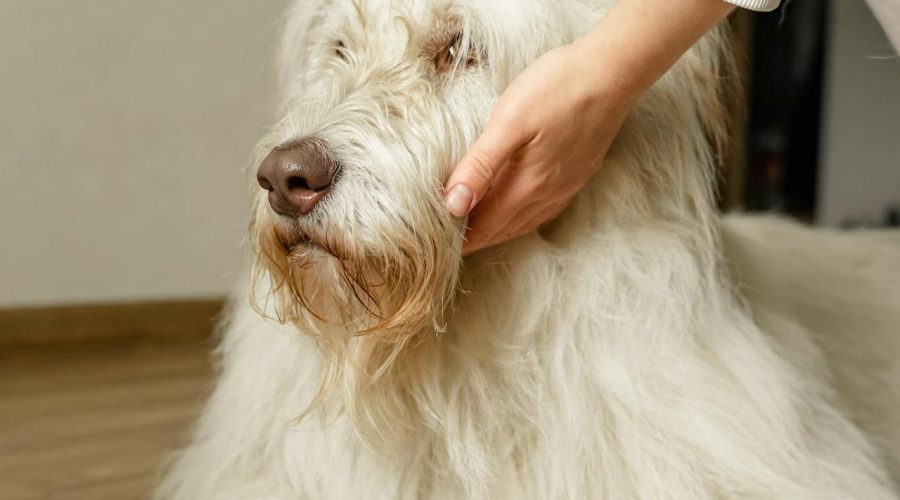
If you’ve ever seen a Keeshond, you know they’re walking clouds of fluff with big smiles. Their coat is one of their most defining features, but it’s also one of the most high-maintenance. Grooming a Keeshond isn’t just about beauty—it’s about keeping them healthy, comfortable, and happy. In this guide, we’ll break down everything you need to know about Keeshond grooming and how to maintain that luxurious coat.
Keeshonds have a thick double coat: a soft, dense undercoat and a longer, harsher outer coat. The undercoat provides insulation, while the outer coat protects against dirt and weather. Together, they give the Keeshond that “lion-like” mane around the neck.
Twice a year, usually in spring and fall, Keeshonds experience “blowing coat” season. This is when they shed heavily, losing much of their undercoat. Regular grooming during this period is crucial.
Without proper grooming, the Keeshond’s coat can easily mat and tangle, trapping dirt and even pests. Grooming also helps distribute natural oils, prevents skin issues, and reduces the amount of fur floating around your home.
Perfect for detangling and removing loose hair from the topcoat.
Essential for reaching the dense undercoat and preventing mats.
Helps catch hidden tangles and ensures a smooth finish.
For trimming small areas and keeping nails short.
Brush at least 2–3 times per week, and daily during shedding season. Start from the skin and work outward in layers to ensure you reach the undercoat.
Keeshonds don’t need frequent baths—every 6–8 weeks is fine unless they get especially dirty. Always use a dog-safe shampoo that won’t strip their natural oils.
After a bath, dry the coat thoroughly with a blow dryer on a cool setting. Damp fur can cause mats and skin issues. Brush while drying to prevent tangles.
Keeshonds don’t require full haircuts, but trimming around the feet, hocks, and sanitary areas helps maintain neatness.
On average, a weekly grooming session is a must. During heavy shedding, you may need to brush daily to manage loose hair.
Be prepared for fur everywhere twice a year. During this time, more frequent grooming is the only solution.
Puppies have a softer coat that’s easier to manage, but as they grow, their adult coat requires more effort. Start grooming early to get them used to the process.
While many owners groom their Keeshonds at home, professional grooming every few months can help maintain coat health and catch issues you might miss.
Use a damp cloth to wipe away tear stains and gently clean ears to prevent infections.
Brush teeth several times a week and provide dental chews to prevent tartar.
Trim nails regularly and check paw pads for debris or cracks.
Beyond looks, grooming helps you spot health problems early, like skin irritations, parasites, or unusual lumps.
Reward your Keeshond with treats and praise. Keep sessions short at first and gradually increase time to make grooming enjoyable instead of stressful.
Keeshonds are stunning dogs, but their beautiful double coat requires dedication. With the right tools, techniques, and a consistent routine, you can keep your Keeshond looking majestic and feeling comfortable. Grooming isn’t just about appearance—it’s about bonding and keeping your fluffy friend healthy.
1. How often should I brush my Keeshond?
At least 2–3 times per week, and daily during shedding season.
2. Can I shave my Keeshond in summer?
No, shaving removes their natural insulation and can harm their skin.
3. Do Keeshonds need professional grooming?
Not always, but professional grooming every few months helps with coat health.
4. How often should I bathe my Keeshond?
Every 6–8 weeks, unless they get very dirty.
5. What’s the best brush for a Keeshond?
A slicker brush and an undercoat rake are essential for maintaining their double coat.
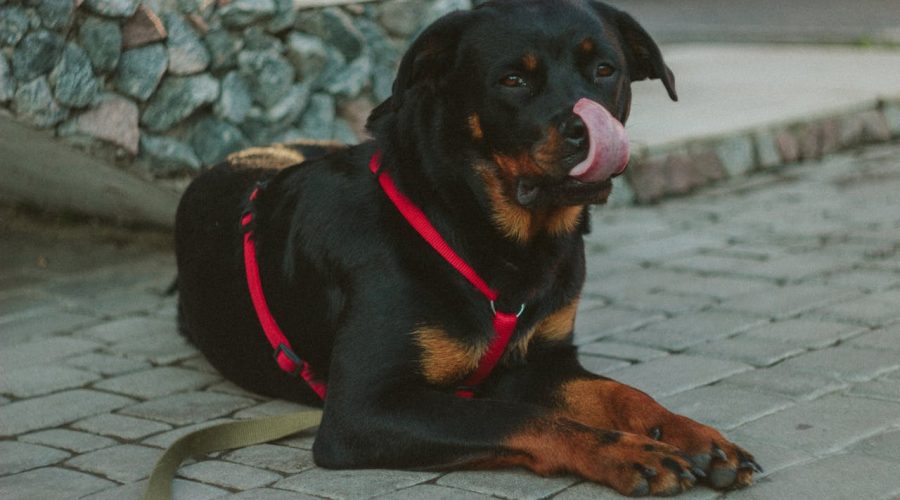
Rottweilers are strong, loyal, and intelligent dogs with powerful builds. To keep them healthy, active, and thriving, proper nutrition is key. A well-balanced diet fuels their growth, protects them from common health problems, and ensures they live long, happy lives. In this guide, we’ll break down the best foods and nutrition tips tailored specifically for Rottweilers.
As a large breed, Rottweilers have different dietary needs compared to smaller dogs. They need more protein for muscle development, controlled fat for energy, and the right balance of vitamins and minerals to support their bones and joints. Their diet should also support their active lifestyle while preventing obesity.
Puppies grow fast, so they need calorie-rich, nutrient-dense meals. Choose high-quality puppy food designed for large breeds. Feed them 3–4 small meals a day to avoid overloading their stomachs. Avoid overfeeding, as rapid growth can lead to joint problems later in life.
An adult Rottweiler needs a balanced diet to maintain muscle and prevent obesity. Meals should include lean protein, healthy fats, and moderate carbs. Avoid free feeding, as Rottweilers are prone to overeating. Instead, stick to 2 meals per day and measure portions based on weight and activity level.
Older Rottweilers require fewer calories but more joint-supportive nutrients. Look for foods with glucosamine, chondroitin, and omega-3 fatty acids. Switch to senior formulas that support digestion and keep their weight under control. Avoid high-fat foods that can strain their metabolism.
Look for foods rich in chicken, beef, lamb, fish, and wholesome carbs like sweet potatoes, oats, and brown rice. Omega-3s from fish oil or flaxseed support joint health and keep their coats glossy.
Skip foods with artificial colors, preservatives, and cheap fillers like corn, soy, and wheat. Never feed toxic foods such as chocolate, onions, garlic, grapes, or raisins.
Some Rottweilers may need special diets:
Avoid free feeding—it often leads to overeating.
Always provide fresh water. Dehydration can cause fatigue, poor digestion, and even kidney problems. If your Rottweiler eats dry kibble, hydration is even more critical.
Homemade meals give you full control but can be tricky to balance. Always consult your vet before switching. High-quality commercial foods are convenient and already balanced but make sure they meet large breed needs.
Treats are great for training but use them wisely. Replace high-calorie treats with carrot sticks, apple slices (no seeds), or training-sized kibble to avoid weight gain.
Nutrition plays a massive role in your Rottweiler’s growth, energy, and overall health. A balanced diet filled with high-quality protein, healthy fats, and essential nutrients keeps them strong and happy. Whether you choose kibble, wet, raw, or homemade food, always focus on balance, portion control, and consistency.
1. What is the best food for a Rottweiler puppy?
High-quality large breed puppy food with balanced protein and fat levels.
2. How often should I feed my adult Rottweiler?
Twice a day with measured portions.
3. Can Rottweilers eat a raw diet?
Yes, but it must be carefully balanced to avoid nutrient deficiencies.
4. What foods should I never give my Rottweiler?
Chocolate, grapes, onions, garlic, and processed junk foods.
5. Do Rottweilers need supplements?
Yes, especially joint support, omega-3 fatty acids, and probiotics.
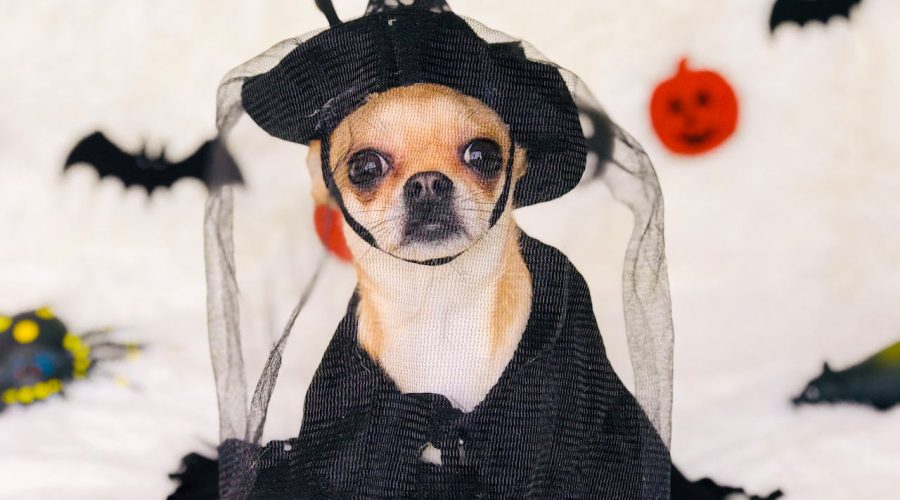
Halloween is one of the most exciting nights of the year, filled with spooky decorations, fun costumes, and endless treats. But if you’re a Puppy owner, the celebration comes with a few extra considerations. These lovable little dogs thrive on fun and attention, but they can also get overwhelmed by the chaos of Halloween night. So, how do you make the evening magical while keeping your pup happy and safe? Let’s dive into everything you need to know about decorating, costumes, and care for your Puppy on Halloween.
Puppies are affectionate, playful, and full of personality. They’re often nicknamed the “American Gentleman” for their tuxedo-like coat and sweet nature. But when it comes to holidays like Halloween, you should consider:
Knowing your dog’s quirks will help you plan a night that’s fun for both of you.
Consistency is key for Puppys. They thrive on routine, so keep feeding, walking, and playtime schedules as normal as possible. If your dog is used to quiet evenings, prepare in advance for the doorbell ringing all night with trick-or-treaters. Consider:
Decorating is half the fun of Halloween, but Puppies are curious explorers. That means some decorations can be dangerous.
Want festive decorations that won’t endanger your dog? Try:
Dressing up is one of the highlights of Halloween. Thankfully, Puppys look adorable in just about anything. Some fun ideas include:
DIY options can also save money and allow customization.
While costumes are cute, comfort always comes first. Avoid anything that:
If your Puppy shows signs of stress like pawing, panting, or freezing, ditch the costume and try a festive bandana instead.
Candy is everywhere during Halloween, but most of it is dangerous for dogs. Keep your Puppy away from:
Instead, treat your pup with dog-safe snacks. Some ideas:
Puppys love people, but the constant flow of strangers can be overwhelming. To prepare:
If your pup loves attention, let trick-or-treaters say hello—but always supervise.
Want to bring your Puppy along? Make sure they’re ready for the adventure.
Remember, Halloween can be overwhelming for dogs, so watch for signs they’re ready to head home.
Not all Halloween fun has to be people-focused. Try these activities with your Puppy:
Puppies can be prone to anxiety. On Halloween, fireworks, costumes, and noise can heighten their stress. Signs include trembling, excessive barking, or hiding. To help:
If you’re heading to a party or dog-friendly event, keep travel safe:
When the night ends, do a quick safety sweep:
Returning to normal routines helps your Puppy feel grounded again.
Halloween with a Puppy can be equal parts fun and memorable, as long as you balance the spooky excitement with your dog’s comfort and safety. With smart decorating, a safe costume, and some extra TLC, you and your furry friend can enjoy a night of treats without any tricks.
1. Can Puppies wear Halloween costumes comfortably?
Yes, as long as the costume is lightweight, breathable, and not restrictive. Always monitor your dog’s behavior to ensure comfort.
2. What are some safe Halloween treats for Puppies?
Pumpkin treats, unsweetened yogurt bites, or homemade dog-friendly peanut butter cookies are great options.
3. Should I take my Puppy trick-or-treating?
You can, but keep walks short, use reflective gear, and watch for signs of stress.
4. How can I calm my Puppy if they’re scared of Halloween noises?
Provide a safe room, use white noise, or try an anxiety vest. Familiar toys and your presence also help.
5. Are Halloween decorations dangerous for dogs?
Some can be. Avoid open flames, wires, small choking hazards, and toxic items. Stick with pet-safe alternatives.

516 Columbia Blvd
Sonoma, CA 21202

Office: 772-619-6309
Inquiries: 772-619-6432

Mon - Fri: 9am - 8pm
Sat - Sun: Closed