984-489-7877
Call us today

984-489-7877
Call us today

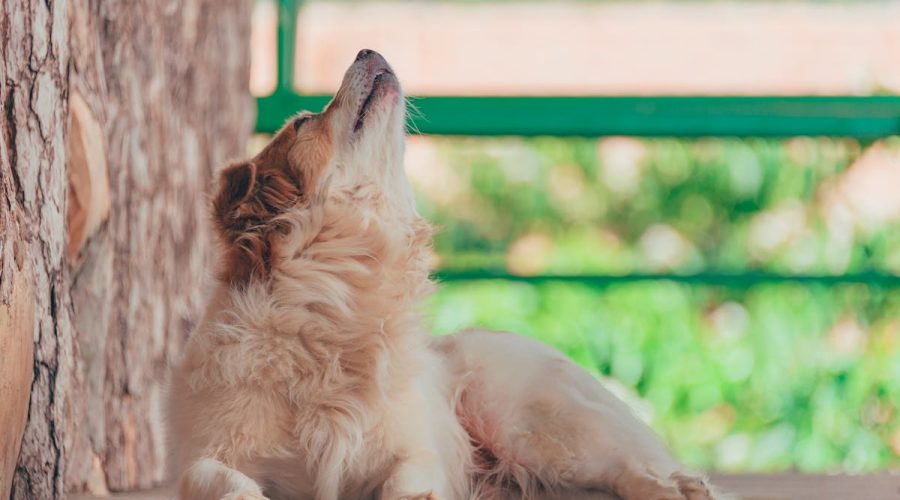
Howling is one of the most distinctive vocalizations puppies make. Unlike barking or whining, howling tends to be longer and more melodic, often triggered by instinct, environmental cues, or emotional needs. It is a natural behavior inherited from wolves, a way to communicate with others over distances. While it may sound alarming to new owners, it usually signals that your puppy is trying to express something important, whether it’s joy, stress, or a simple request for attention.
It’s essential to distinguish howling from other vocal behaviors. Barking is short, sharp, and usually alerts to stimuli, while whining is high-pitched and often reflects discomfort or desire. Howling, on the other hand, carries a more extended tone and often occurs in response to specific triggers. Recognizing this difference helps you respond appropriately without inadvertently reinforcing unwanted behaviors.
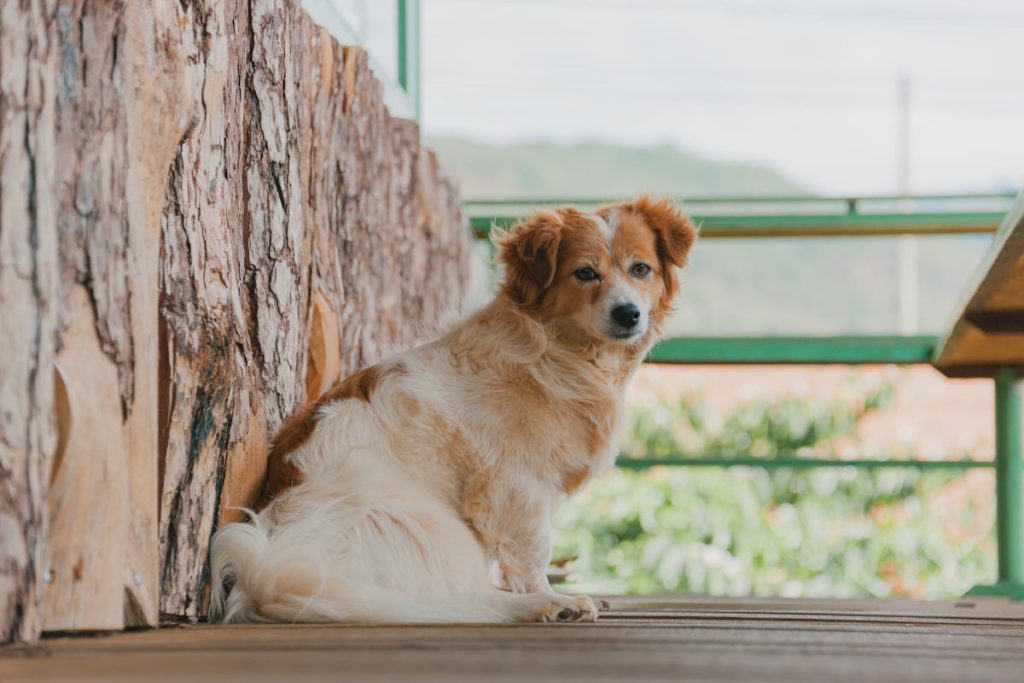
One of the most common reasons puppies howl is separation anxiety. When left alone, puppies can feel stressed or insecure, leading them to howl as a way to express distress. This behavior is not just attention-seeking—it is an instinctual reaction to being isolated from their “pack.” Puppies experiencing separation anxiety may also engage in destructive behavior or excessive barking. Recognizing this early and gradually training your puppy to tolerate alone time can significantly reduce howling.
Puppies quickly learn that vocalizations get reactions from their owners. If your puppy howls every time you walk past or enter a room, it’s often a bid for attention. While it’s natural to respond to a young dog, over time this can become habitual. The key is to provide attention on your terms rather than immediately responding every time your puppy howls.
Howling can also indicate a physical need, such as hunger or thirst. Puppies have limited ways of expressing discomfort, so vocalizations become their tool to signal you. If your puppy howls around mealtime or after long periods without water, it’s often a simple request for care. Ensuring a consistent feeding and watering schedule helps prevent unnecessary howling for basic needs.
Puppies are naturally social and active animals. Long periods of isolation or lack of stimulation can lead to howling out of boredom or loneliness. Interactive toys, puzzle feeders, and short training sessions help occupy their mind and reduce vocalizations that stem from inactivity or restlessness.
Environmental factors, such as loud noises, new people, or sudden changes, can trigger stress-related howling. Puppies may howl when startled or when they encounter situations they perceive as threatening. Observing their body language—like crouched posture, tucked tail, or wide eyes—can help you address stress before it escalates into chronic vocalization.
Some puppies howl in response to external stimuli, such as sirens, musical instruments, or other dogs. This behavior is instinctual and often mimics the long-distance communication methods of wild ancestors. While it can be startling, this type of howling is usually harmless and may even be a sign of healthy social behavior.
Certain breeds are more predisposed to howling. Huskies, Beagles, and Malamutes are well-known for their vocal tendencies. This trait is rooted in their ancestral communication methods, which were essential for pack coordination and hunting.
Breed tendencies influence not only the frequency of howling but also the pitch and intensity. Understanding these tendencies helps owners set realistic expectations and adapt training strategies accordingly. Breeds with strong vocal instincts often respond better to structured training combined with mental stimulation to prevent excessive howling.
Unexplained howling may indicate that your puppy is in pain. Puppies cannot verbalize discomfort, so howling becomes their primary communication. Signs to watch for include limping, reluctance to move, or changes in appetite. Prompt veterinary attention ensures any medical issues are addressed quickly.
Certain medical conditions, including ear infections, digestive discomfort, or neurological issues, can trigger persistent howling. If your puppy’s howling is sudden, unusual, or accompanied by other symptoms, a vet check is essential to rule out health problems.
React calmly to your puppy’s howling. Reinforce desired behavior with treats, praise, or gentle attention when they are quiet. Avoid yelling, which can increase anxiety and exacerbate howling.
Consistency is key. Respond selectively so your puppy does not learn that howling automatically produces attention. This approach reduces the likelihood of long-term behavioral issues.
Training exercises, such as gradual alone-time practice and positive reinforcement, teach your puppy that being quiet and independent is safe and rewarding. Over time, these strategies help manage howling without stress.
Puppies thrive on predictability. Feeding, walking, and training on a set schedule reduces anxiety-driven howling and helps them understand daily expectations.
Puzzle toys, training sessions, and short play periods keep your puppy engaged, minimizing boredom-related howling.
Slowly increase the duration your puppy spends alone to reduce separation anxiety. Start with a few minutes and progressively extend the time while offering positive reinforcement.
If your puppy’s howling is persistent, extreme, or accompanied by other behavioral or health issues, professional intervention may be necessary. Veterinarians or certified dog trainers can provide tailored strategies to address underlying problems effectively.
Puppy howling is a natural form of communication, but it can be managed with understanding, training, and routine. By recognizing the reasons behind the howling, responding appropriately, and providing structured stimulation, you can reduce excessive vocalization while maintaining a happy, confident, and healthy puppy. Every howl is a message—learning to decode it strengthens your bond and makes caring for your puppy more rewarding.
1. Why does my puppy howl when left alone?
It’s usually separation anxiety or boredom. Gradual alone-time training helps them adjust.
2. Are some breeds more prone to howling than others?
Yes. Huskies, Beagles, and Malamutes are naturally more vocal due to their genetic traits.
3. How can I tell if howling is due to pain?
Look for other signs like limping, reluctance to move, or changes in appetite and behavior.
4. Can training completely stop a puppy from howling?
Training reduces excessive howling but cannot eliminate natural communication instincts, especially in vocal breeds.
5. Should I respond every time my puppy howls?
No. Respond selectively to avoid reinforcing attention-seeking howling.
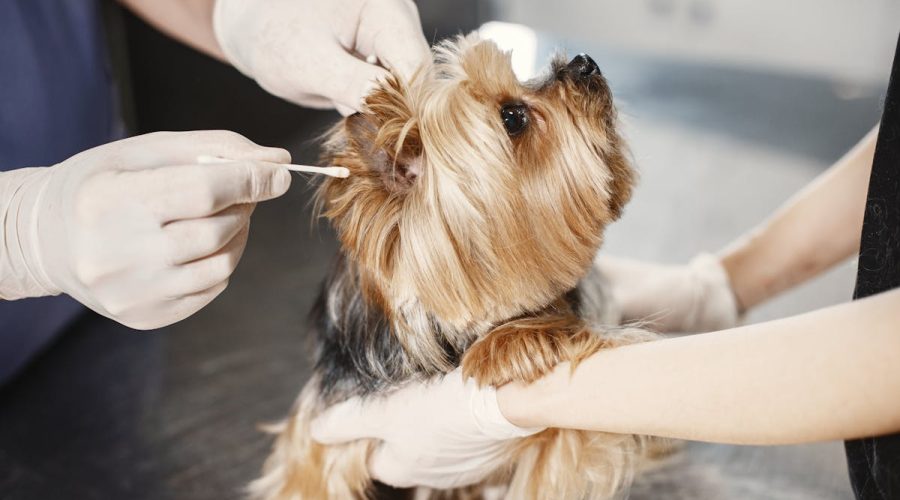
Maintaining proper ear hygiene is an essential part of overall pet care, yet many dog owners overlook it. Dog ear cleaning helps remove dirt, wax, and debris that can accumulate inside the ear canal over time. When these substances build up, they create a warm and moist environment that allows bacteria and yeast to grow. This can lead to infections, discomfort, and even long-term ear problems if left untreated.
Dogs explore the world using their senses, and their ears are especially important for communication and awareness. Healthy ears allow dogs to hear clearly and respond to sounds around them.
Dogs can develop several ear issues if their ears are not cleaned or monitored regularly. One of the most common problems is ear infections. These infections often occur when bacteria or yeast grow in the moist environment of the ear canal. Symptoms may include redness, swelling, unpleasant odor, or discharge.
Another issue is excessive wax buildup. While a small amount of wax is normal, too much can trap dirt and lead to irritation. Dogs with floppy ears are especially prone to wax buildup because air circulation inside their ears is limited.
One of the clearest indicators that your dog may need ear care is visible dirt or wax in the ear canal. When you gently lift your dog’s ear flap and look inside, the ear should appear clean and light pink. Small amounts of wax are normal, but thick or dark buildup can signal the need for cleaning.
Excessive wax can trap bacteria and cause irritation if left untreated. Over time, this buildup may also produce an unpleasant odor. When you notice these signs, it is usually a good time to perform dog ear cleaning to restore proper hygiene.
Dogs often communicate discomfort through their behavior. If your dog frequently scratches its ears or shakes its head, this may indicate irritation inside the ear canal. While occasional scratching is normal, repeated scratching can signal a buildup of wax, debris, or infection.
Head shaking is another common symptom. Dogs may shake their heads to relieve pressure or discomfort in their ears. If this behavior occurs regularly, inspecting the ears for redness, swelling, or dirt can help determine whether cleaning is needed.
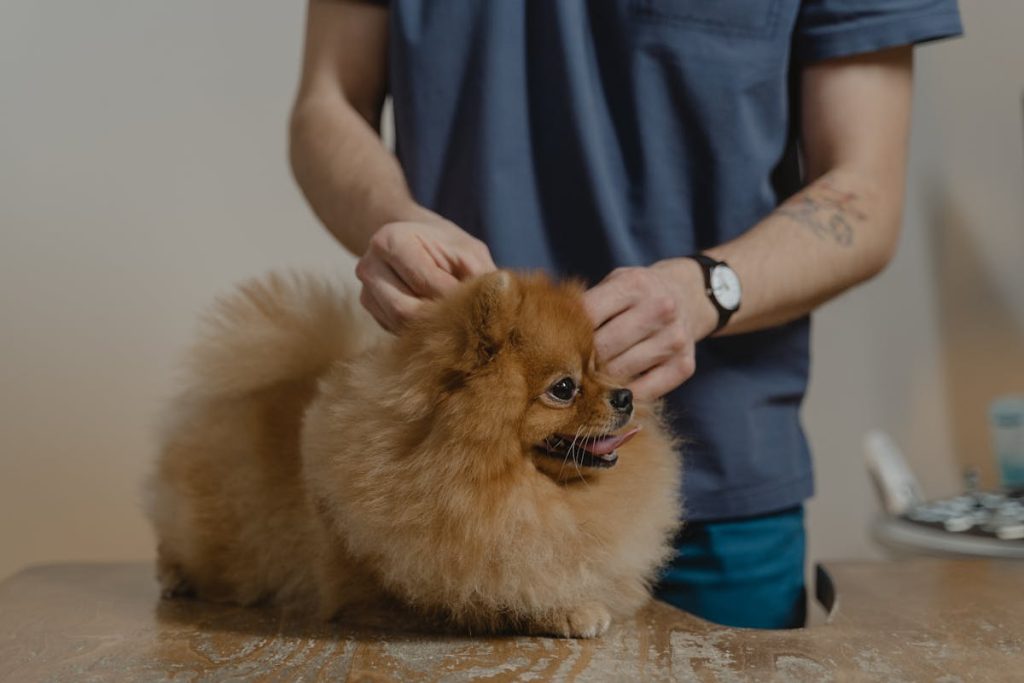
The ideal cleaning schedule varies depending on the dog’s breed, lifestyle, and ear structure. Some dogs require frequent ear cleaning, while others may need it only occasionally. Dogs with long or floppy ears, such as Cocker Spaniels or Basset Hounds, often need more regular care because their ear canals retain moisture more easily.
Active dogs that swim frequently or spend time outdoors may also require more frequent dog ear cleaning. Water and dirt can accumulate inside the ears during these activities, increasing the risk of infections. In contrast, dogs with upright ears and minimal wax buildup may only need occasional cleaning.
Veterinarians often recommend checking your dog’s ears weekly. This routine inspection helps identify any buildup or irritation early. Cleaning should be done only when necessary, as excessive cleaning can disrupt the natural balance of the ear canal.
Before beginning the cleaning process, it is important to gather the right supplies. Using proper tools ensures that the cleaning process is safe and comfortable for your dog. Essential items for dog ear cleaning include a veterinarian-approved ear cleaning solution, cotton balls or gauze pads, and treats for positive reinforcement.
Ear cleaning solutions are specifically designed to break down wax and remove debris without harming the delicate ear canal. Cotton balls are ideal for gently wiping away dirt and excess liquid. Avoid using cotton swabs, as they can push debris deeper into the ear and potentially cause injury.
Having treats available during the process can help keep your dog calm and cooperative. Positive reinforcement encourages dogs to associate ear cleaning with a rewarding experience, making future sessions easier.
Preparation is an important step when performing dog ear cleaning. Start by choosing a quiet area where your dog feels comfortable. Sit beside your dog and gently hold the ear flap to expose the ear canal. Speaking calmly and offering treats can help your dog remain relaxed during the process.
If your dog is nervous, take a few moments to let them adjust before starting. Patience and reassurance go a long way in making the experience stress-free for both you and your pet.
Once your dog is calm, apply a few drops of the ear cleaning solution into the ear canal according to the product instructions. Gently massage the base of the ear for several seconds to allow the solution to loosen wax and debris.
After massaging the ear, allow your dog to shake its head. This natural movement helps bring loosened debris toward the outer ear. Use a cotton ball or gauze pad to gently wipe away the dirt and liquid from the ear opening. Repeat the process if necessary, but avoid inserting anything deep into the ear canal.
Using inappropriate tools is one of the most common mistakes dog owners make when cleaning their pet’s ears. Cotton swabs, for example, can push wax deeper into the ear canal and increase the risk of injury. Instead, soft cotton balls or gauze should be used to remove debris safely.
Although regular ear care is beneficial, excessive dog ear cleaning can irritate the ear canal. Over-cleaning may remove natural oils that protect the ear, leading to dryness and inflammation. Cleaning should only be done when visible buildup or odor is present.
Maintaining healthy ears requires consistent grooming and routine inspections. Checking your dog’s ears weekly allows you to identify early signs of dirt, redness, or irritation. Keeping the fur around the ears trimmed can also improve airflow and reduce moisture buildup.
Regular veterinary checkups are equally important. A veterinarian can examine the ears for hidden problems and provide guidance on proper ear care. By combining grooming, routine cleaning, and professional advice, dog owners can keep their pet’s ears healthy and comfortable.
Proper dog ear cleaning is an essential part of responsible pet care. Clean ears help prevent infections, reduce discomfort, and support your dog’s overall health. By recognizing signs that your dog needs ear care and using safe cleaning techniques, you can maintain healthy ears and avoid common problems.
Regular inspections, gentle cleaning, and attention to your dog’s behavior all contribute to effective ear care. With a consistent routine and the right approach, keeping your dog’s ears clean becomes a simple and beneficial habit.
Most dogs benefit from ear checks weekly, but cleaning should only be done when wax or debris is visible.
Plain water is not recommended because it can remain inside the ear canal and promote bacterial growth.
Yes, breeds with floppy ears often experience more ear issues due to limited airflow inside the ear canal.
Common signs include redness, strong odor, swelling, discharge, and frequent scratching.
If your dog shows signs of infection or severe discomfort, veterinary advice is recommended before cleaning.
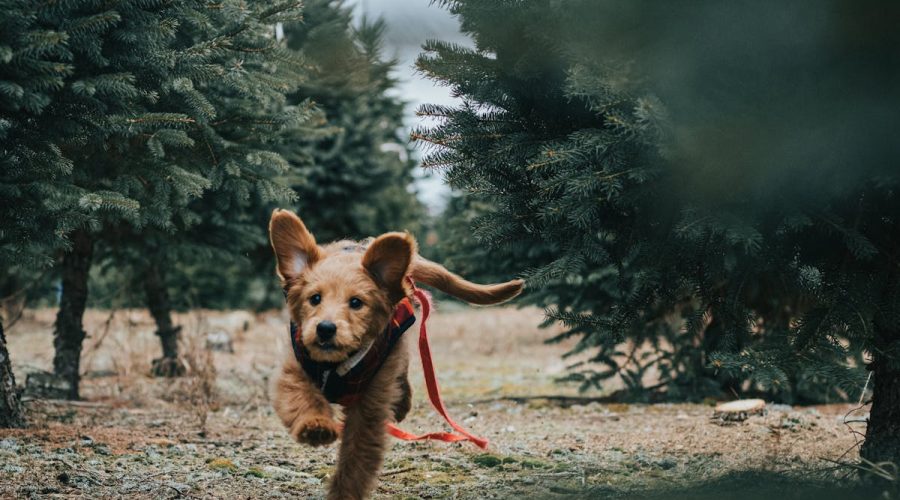
Taking your puppy on a hike is a wonderful way to bond, explore nature, and provide both physical and mental stimulation for your furry friend. However, hiking with a puppy comes with its own set of responsibilities and precautions. Puppies are still developing, both physically and behaviorally, and they need careful guidance to ensure a safe and enjoyable outdoor adventure. This guide provides essential safety tips for hiking with your puppy so that both you and your pet can enjoy the trail without stress or risk.
Hiking offers more than just exercise for your puppy. Regular outdoor adventures help improve your puppy’s stamina, strengthen muscles, and provide opportunities for socialization with other dogs and people. The fresh air, new scents, and varied terrain also stimulate your puppy’s mind, reducing boredom and preventing destructive behavior at home. Additionally, hiking can strengthen the bond between you and your puppy, as it requires communication, trust, and shared experiences.
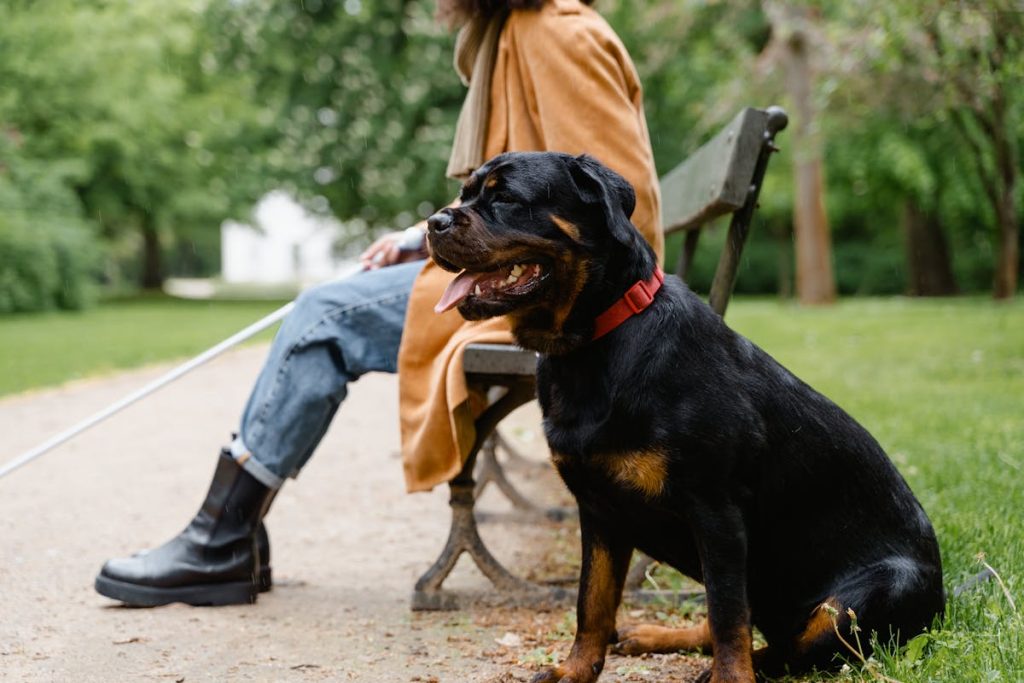
Before hitting the trail, it’s crucial to prepare your puppy properly. Start with short walks to build endurance and get your puppy accustomed to different surfaces like dirt, gravel, and grass. Make sure your puppy is comfortable walking on a leash and understands basic commands such as “come,” “sit,” and “stay.” Check with your veterinarian to confirm your puppy is up-to-date on vaccinations, flea, and tick prevention, as outdoor trails can expose them to parasites and infectious diseases.
Not every trail is suitable for puppies. When hiking with your puppy, select paths that are relatively flat, free of sharp rocks, and not overly long. Trails with moderate temperatures are ideal, as puppies can overheat quickly. Avoid busy trails with heavy foot traffic until your puppy becomes more confident and responsive to commands. Additionally, consider the presence of wildlife, steep drops, or water hazards, as these can pose dangers to inexperienced hikers.
Having the right gear makes the hike safer and more comfortable for your puppy. A well-fitted harness is preferable to a collar, as it reduces strain on your puppy’s neck and allows better control. Always bring a leash, even on trails where dogs are allowed off-leash, for added safety. Pack a collapsible water bowl and plenty of fresh water, snacks for energy, and a basic first-aid kit including styptic powder in case of minor cuts or scrapes. Puppy booties are optional but can protect paws from rough terrain or hot surfaces.
Puppies tire quickly, especially in warm weather or on uneven terrain. Plan regular rest breaks every 15–30 minutes depending on your puppy’s size and age. Offer water frequently to prevent dehydration. Observe your puppy for signs of fatigue, such as slowing down, heavy panting, or sitting down repeatedly. Never force your puppy to keep going if they appear exhausted, as overexertion can cause joint or muscle issues.
Trails may seem safe, but hidden hazards can cause injuries to your puppy. Sharp rocks, thorns, broken glass, and exposed tree roots can cut paws, while steep inclines may lead to slips or falls. Be cautious around wildlife such as snakes, porcupines, or aggressive animals. Avoid letting your puppy eat unknown plants or fungi, as some can be toxic. Being vigilant and proactive helps prevent accidents before they happen.
Pay attention to your puppy’s behavior during the hike. Puppies are naturally curious and may wander off or chase after small animals. Keeping your puppy on a leash and maintaining consistent training commands ensures they stay safe. Positive reinforcement, like treats and praise, encourages desired behavior. Watch for signs of stress, such as whining, excessive panting, or hiding. If your puppy becomes anxious, take a break or consider turning back.
Puppies are more sensitive to extreme temperatures than adult dogs. In hot weather, avoid hiking during midday and choose shaded trails. In cold weather, monitor for signs of discomfort or hypothermia. A lightweight dog jacket can help small or short-haired puppies stay warm in chilly conditions. Always check the forecast and plan hikes during safe, moderate weather conditions.
Being a responsible dog owner includes following proper trail etiquette. Keep your puppy on a leash where required, pick up waste, and be respectful of other hikers and their pets. Avoid overcrowding trails with too many puppies, as this can cause stress for your puppy and other animals. By respecting the environment and other hikers, you create a safe and pleasant hiking experience for everyone.
Even with precautions, minor injuries can happen. Carry a small first-aid kit including bandages, antiseptic wipes, tweezers for removing splinters or ticks, and styptic powder for nail or paw injuries. Knowing basic puppy first-aid techniques allows you to respond quickly and keep your puppy safe until professional care is available.
It’s important to know when to end a hike early to protect your puppy. Signs such as excessive panting, limping, coughing, vomiting, or lethargy indicate your puppy may be stressed, injured, or overheated. Ignoring these signs can lead to serious health issues. Always prioritize your puppy’s safety over completing the trail.
Hiking should be a fun bonding activity. Incorporate short play breaks, gentle training sessions, and plenty of praise to make the experience enjoyable. Bring favorite toys or balls for short fetch sessions in safe areas. Positive experiences help your puppy associate hiking with fun and encourage future outdoor adventures.
Start with short, easy trails and gradually increase distance and difficulty as your puppy grows and becomes more experienced. Puppies’ joints and muscles are still developing, so avoid overexertion. Slow, consistent exposure to new trails builds stamina and confidence while preventing injuries.
Hiking offers physical exercise, mental stimulation, and behavioral enrichment. Puppies exposed to nature learn to adapt to different surfaces, sounds, and smells. The combination of physical exertion and mental challenges helps reduce hyperactivity at home and improves overall well-being. Regular hikes also reinforce leash training and obedience in real-world situations.
For longer hikes or overnight trips, plan carefully. Ensure you have enough water, food, bedding, and safety gear. Research trails for pet regulations, terrain difficulty, and emergency access. Pre-trip training with overnight stays can help your puppy adapt to multi-day adventures comfortably.
After each hike, inspect your puppy for ticks, burrs, cuts, or irritations. Wash paws and fur to remove dirt, mud, or allergens. Proper post-hike care reduces the risk of infection and keeps your puppy healthy. Rewarding your puppy with treats or play reinforces positive behavior and ends the hike on a high note.
1. At what age can I start hiking with my puppy?
Most puppies can start short, easy hikes after their vaccinations are complete, usually around 12–16 weeks.
2. How far should I hike with a puppy?
Start with 15–30 minute walks or short trails. Gradually increase distance as your puppy grows and gains endurance.
3. Should puppies wear booties on hikes?
Puppy booties are optional but useful on rough, rocky, hot, or icy trails to protect sensitive paws.
4. How do I prevent my puppy from overheating?
Hike during cooler hours, bring plenty of water, provide rest breaks, and watch for excessive panting.
5. Can hiking help with puppy behavior problems?
Yes, regular hikes provide physical and mental stimulation, reducing hyperactivity, anxiety, and destructive behavior at home.
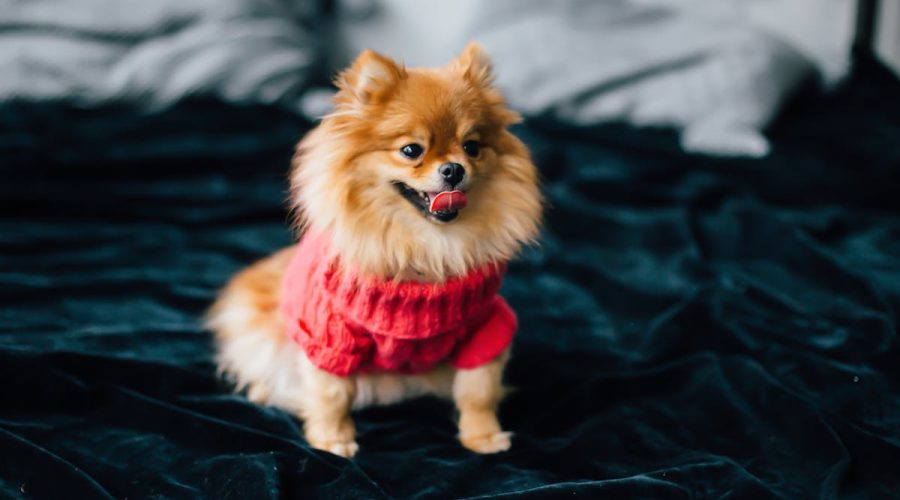
Bringing home a puppy is one of life’s happiest milestones. The excitement, the tiny paws, the playful energy, it is easy to fall in love instantly. However, emotions can sometimes cloud judgment. That is why understanding puppy buying red flags is essential before making such an important decision.
A puppy is not just a purchase. It is a commitment that can last 10 to 15 years or more. Spotting warning signs early can save you from heartache, unexpected veterinary bills, and behavioral challenges. Let us walk through the most critical red flags so you can make a confident and responsible choice.
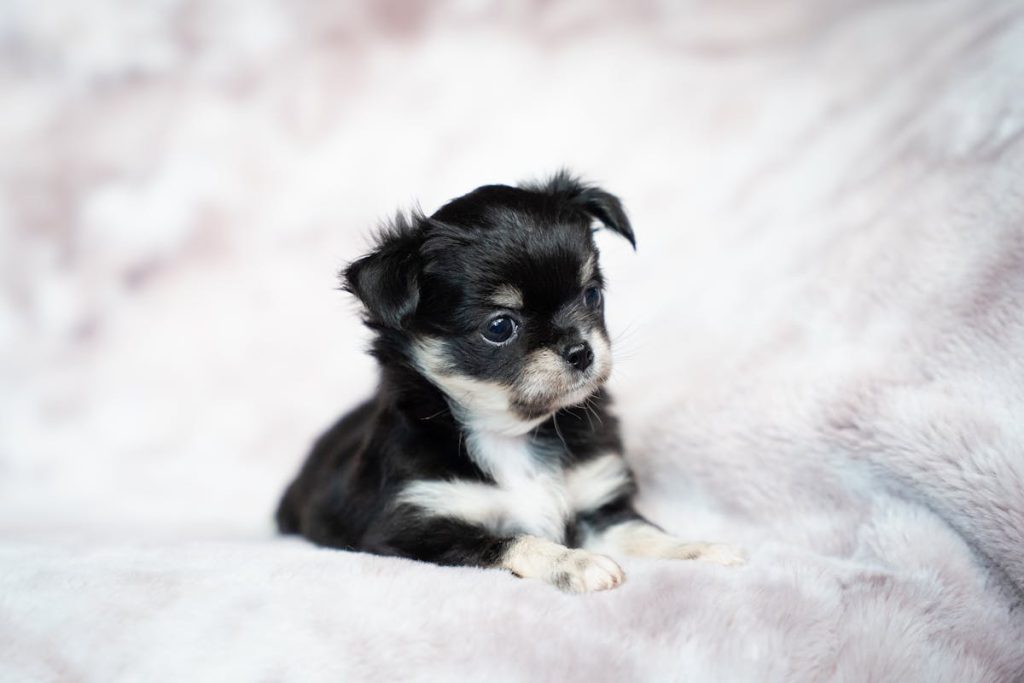
An unhealthy or poorly bred puppy can introduce stress into your household. Illness, aggression, or anxiety issues often stem from irresponsible breeding or improper early care.
Many hereditary diseases do not appear immediately. Without proper screening and ethical breeding, your puppy may face chronic health problems. Recognizing puppy buying red flags reduces the risk of lifelong complications.
The environment where a puppy is raised shapes its health and temperament. Clean surroundings, social interaction, and proper nutrition are essential during the first eight weeks.
If a seller insists on meeting in a parking lot or refuses home visits, consider that a major warning sign. Unsanitary conditions, overcrowding, or strong odors indicate neglect. Responsible breeders proudly show where their puppies are raised.
You should receive documentation of vaccinations, deworming, and veterinary checkups. If the seller cannot produce records, that is a serious red flag.
Reputable breeders conduct genetic testing for breed specific diseases. For example, large breeds may require hip evaluations, while smaller breeds might need eye screenings. Absence of these tests suggests irresponsible breeding practices.
If a breeder constantly has multiple litters available, this may indicate commercial scale breeding. Ethical breeders carefully plan litters and prioritize quality over quantity.
Responsible breeders often have waiting lists. They focus on health, temperament, and breed improvement rather than continuous production.
Puppies should stay with their mother and littermates until at least eight weeks of age. Early separation can harm emotional and behavioral development.
Puppies removed too soon may develop anxiety, poor bite inhibition, or social challenges. If a seller offers a six week old puppy, that is one of the most concerning puppy buying red flags.
Low prices often mean corners were cut. Poor nutrition, no veterinary care, or lack of genetic screening can result in expensive medical bills later.
Some scammers advertise purebred puppies at extremely low prices to attract quick deposits. Always verify the seller before transferring money.
Ethical breeders care deeply about where their puppies go. They will ask about your lifestyle, experience, and home environment.
If the seller seems uninterested in your suitability as an owner, they likely prioritize profit over the puppy’s well being.
Meeting the puppy’s mother provides insight into future behavior. A calm, friendly mother often produces stable puppies.
The physical condition of the mother reflects the breeder’s care standards. A thin, fearful, or unhealthy mother is a strong warning sign.
Healthy puppies are curious, playful, and responsive. Extreme shyness, aggression, or lethargy can signal deeper issues.
Watch for discharge from eyes or nose, coughing, bloated stomach, patchy fur, or signs of parasites. These symptoms should never be ignored.
Statements like “Other buyers are waiting” or “Pay now or lose the puppy” are common pressure tactics. Responsible breeders understand that buyers need time to decide.
Avoid sending money through unsecured payment apps or wire transfers. Always request a receipt and written agreement.
A professional breeder provides a written contract outlining health guarantees, return policies, and spay or neuter agreements if applicable.
A health guarantee shows the breeder stands behind their puppies. Without documentation, you have little protection if issues arise.
If the puppy is advertised as registered, verify the registration with the official organization. Papers should match the puppy’s details.
Be cautious of photocopied documents without verification numbers. Inconsistent information is a clear red flag.
Generic images that appear on multiple websites often indicate fraud. Ask for real time photos or video calls to confirm authenticity.
Request video proof, check reviews, and avoid sellers who refuse live interaction. Transparency is key.
Look for testimonials, long standing reputation, and transparent communication. A credible breeder will have a consistent presence and positive feedback.
Whenever possible, visit the breeder’s location. Observe cleanliness, socialization, and overall care. Trust your instincts. If something feels wrong, it probably is.
Buying a puppy should be joyful, not stressful. By recognizing puppy buying red flags, you protect yourself, your family, and most importantly, the puppy. Responsible breeders welcome questions, provide documentation, and prioritize the well being of their dogs.
Take your time. Do your research. Ask questions. A healthy, well raised puppy is worth the patience and effort. When you choose wisely, you are not just avoiding problems. You are setting the foundation for years of companionship, loyalty, and unconditional love.
One of the most serious warning signs is refusal to show the puppy’s living environment. Transparency is essential in responsible breeding.
It can be safe if the seller is verified, provides live video interaction, health records, and clear documentation. Avoid sellers who request fast deposits without proof.
Puppies should remain with their mother and littermates until at least eight weeks of age for proper development.
They want to ensure their puppies go to suitable homes. Screening buyers shows care and professionalism.
Not always, but extremely low prices often indicate lack of proper care, health testing, or even scams. Always investigate thoroughly before committing.
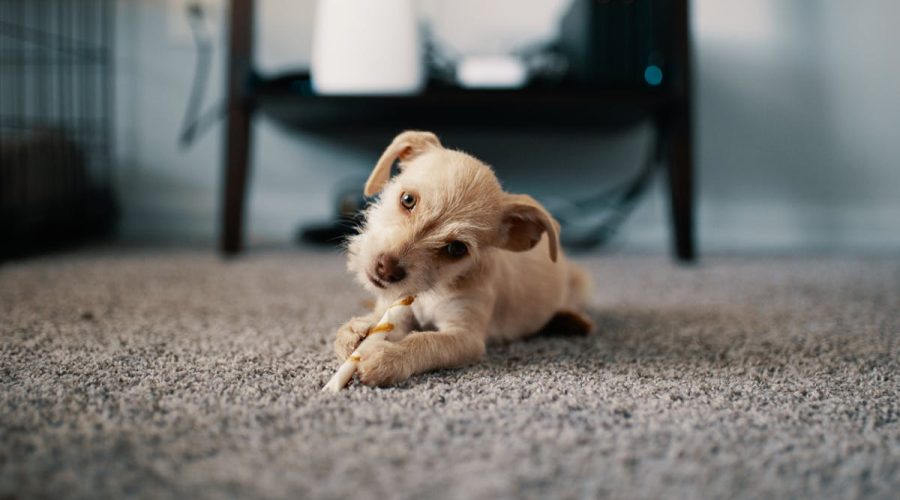
Few things worry pet parents more than seeing a full bowl of untouched food. One day your puppy eats like a champion, and the next day they turn their nose up as if the food offended them. If you’re searching for answers about puppy not eating, you’re not alone.
A puppy refusing food can be frustrating, confusing, and sometimes scary. Is it just picky behavior? Or is something wrong? The truth is, puppies stop eating for many different reasons—some harmless, others serious.
This guide will help you understand why your puppy isn’t eating, what you can do at home, and when it’s time to call the vet.
Puppies grow fast and burn energy quickly. That means they usually eat more often than adult dogs.
Most puppies need:
However, appetite can change daily depending on:
Small breeds may eat tiny amounts but frequently, while large breeds consume bigger portions. Teething puppies often eat less because chewing hurts. Adolescence (around 6–9 months) can also cause appetite shifts.
A skipped meal once in a while is normal. Refusing food for more than 24 hours is not.
Learn more about Choosing the right food for your dog breed! Not all dog foods are the same.
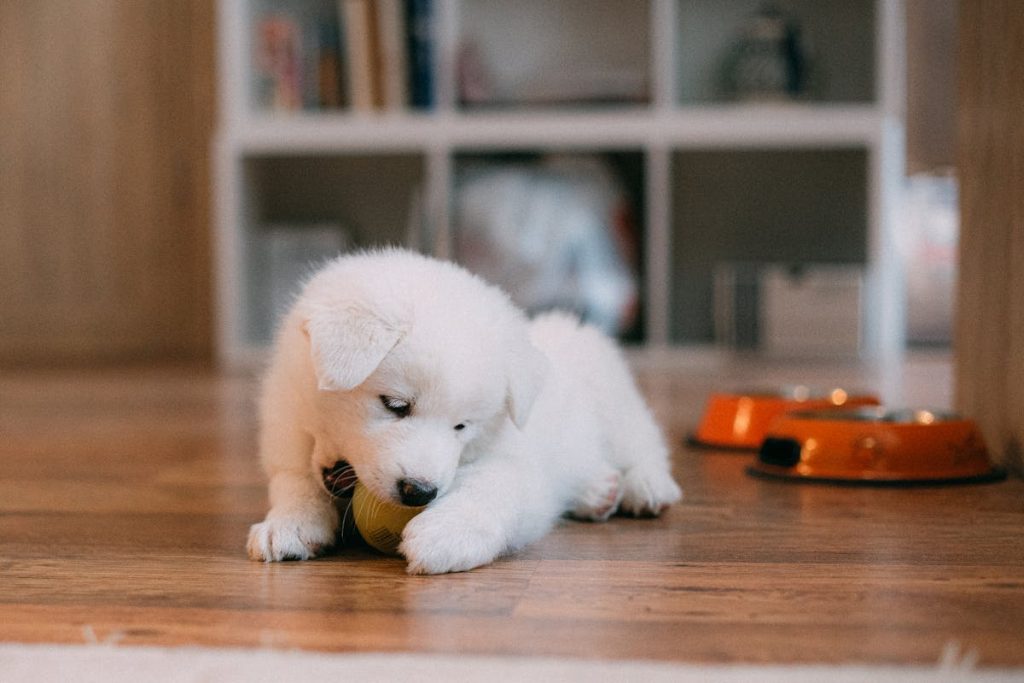
Understanding the cause helps you choose the right solution.
Moving to a new home, meeting new people, or even rearranging furniture can stress a puppy. Stress affects appetite just like it does in humans.
A puppy in a new environment may refuse food for 1–2 days while adjusting.
Teething can make chewing painful. Hard kibble feels like biting rocks when gums are sore. Puppies may avoid food until discomfort improves.
Loss of appetite is often the first sign of illness. Infections, fever, stomach problems, or injuries can all make a puppy stop eating.
Worms can steal nutrients from your puppy and cause nausea. This leads to reduced appetite and weight loss.
Some puppies feel tired or slightly sick after vaccines. Skipping a meal for a day afterward is common.
Too many treats can spoil dinner. Puppies are smart—they hold out for tastier snacks if they know they’ll get them.
Dogs can get bored of the same flavor. If you constantly change food, your puppy may learn to wait for something better.
Hot weather reduces appetite. Puppies eat less when temperatures rise, just like people do.
A puppy not eating becomes serious when combined with other symptoms.
If your puppy is unusually tired, hides, or refuses to play, it could signal illness.
Digestive issues with loss of appetite may indicate infection or parasites.
Visible ribs or rapid weight drop is a red flag.
If these signs appear, seek veterinary help immediately.
Now let’s talk solutions.
Make sure the food:
Sometimes food goes stale without us noticing.
Feed your puppy in a quiet place away from noise, children, or other pets. Stress can kill appetite.
Put food down for 15–20 minutes. If they don’t eat, remove it. Offer food again at the next meal.
This teaches your puppy that meals happen on schedule—not whenever they feel like it.
Dogs thrive on routine. Same time, same place, same bowl.
Warm food releases aroma, making it more appealing. Just make sure it’s not hot.
Small additions can tempt appetite:
Do not turn this into a habit of constant upgrades.
Hand feeding can help nervous puppies eat. But use it short-term to avoid dependency.
If your puppy isn’t eating, make sure they’re drinking water. Dehydration is dangerous.
Gentle on the stomach and easy to chew.
Great for digestion and fiber.
Helps gut bacteria but only in small amounts.
This can cause fear and choking.
Switching food daily creates picky eaters.
Pizza, fries, or sweets harm digestion and nutrition.
Feed at the same time daily. Avoid free-feeding.
Choose high-quality puppy food with proper protein and nutrients.
Routine checks catch problems early.
Contact your vet if:
Better safe than sorry.
Many people believe puppies will starve themselves if picky. In reality, healthy puppies usually eat when hungry—but illness can change that.
Another myth is that hand feeding is harmless. Over time, it creates dependency.
Ignoring appetite issues can lead to:
Good eating habits now build a healthy adult dog.
A puppy refusing food can feel like a crisis, but it doesn’t always mean something serious. Stress, teething, routine changes, and minor discomfort can all cause appetite loss. Understanding why your puppy not eating is happening allows you to respond calmly and wisely.
Create a routine, offer healthy food, avoid bad habits, and watch for warning signs. With patience and consistency, most puppies return to normal eating quickly.
Your puppy depends on you not just for food, but for reassurance and structure. A calm approach today builds a healthier dog tomorrow.
1. How long can a puppy go without eating?
Young puppies should not skip more than 24 hours. Older puppies can go 48 hours, but vet advice is recommended.
2. Is it normal for puppies to skip meals during teething?
Yes, sore gums can reduce appetite temporarily.
3. Can stress cause a puppy to stop eating?
Absolutely. New environments and changes commonly affect appetite.
4. Should I change food if my puppy won’t eat?
Only after checking with a vet and transitioning slowly.
5. When should I worry about my puppy not eating?
If refusal lasts more than a day with other symptoms like lethargy, vomiting, or diarrhea.
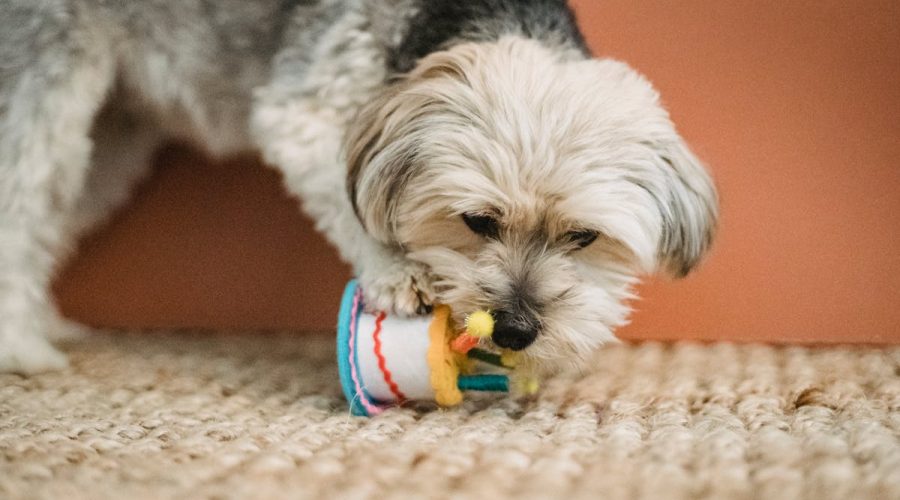
Rainy days can feel cozy for humans. You grab a warm drink, curl up on the couch, and enjoy the sound of rain tapping on the window.
But for puppies? Rainy days can feel like a disaster.
Your energetic little furball still wants to run, jump, play, and explore. When outdoor walks get cut short, all that puppy energy has to go somewhere, and usually, it ends up in chewing your shoes or racing around the living room like a tiny tornado.
That’s why having fun indoor puppy activities ready is the secret to keeping your pup happy, busy, and out of trouble when the weather won’t cooperate.
Let’s dive into the best ways to turn rainy days into playful indoor adventures.
Just because it’s raining outside doesn’t mean your puppy suddenly stops needing activity.
Puppies have growing bodies and endless energy. Without daily movement, they can become restless, frustrated, and even anxious.
Even short bursts of indoor exercise can help burn off that extra excitement.
A bored puppy is like a bored toddler. They will find something to do, and it’s usually something you don’t want them doing.
Common rainy-day boredom behaviors include:
Indoor puppy activities keep their minds busy and their paws occupied.
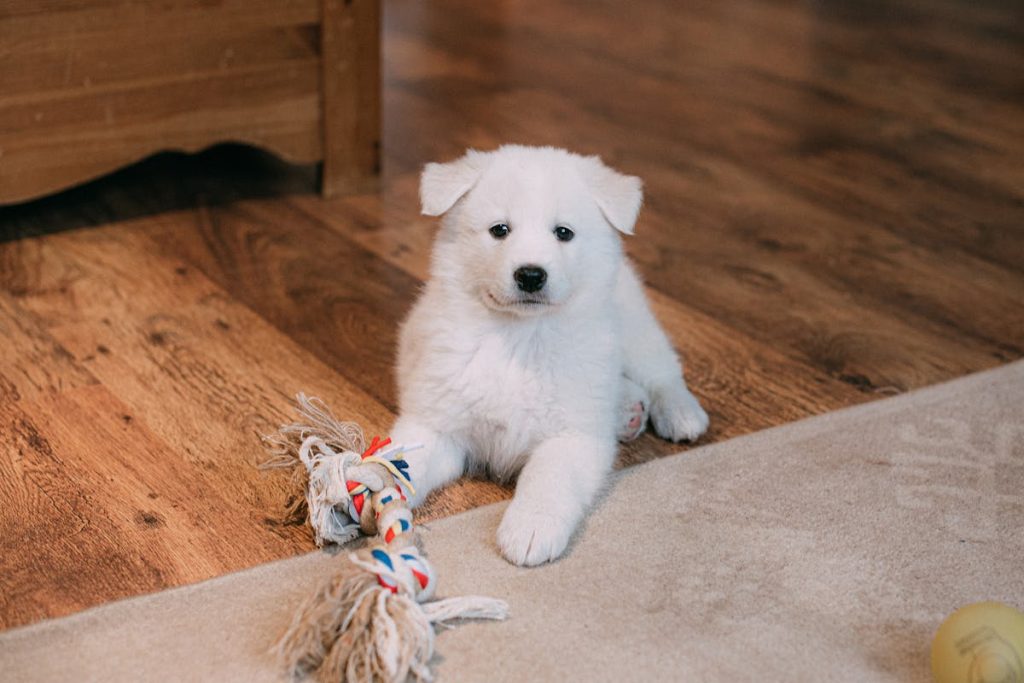
Physical exercise is great, but mental exercise is just as important.
Think of your puppy’s brain like a sponge. They’re constantly learning, exploring, and soaking up information.
Activities that challenge their thinking help tire them out faster than running alone.
Indoor playtime is also bonding time.
When you play games, train, or cuddle with your puppy, you build trust and connection. Rainy days become less of a limitation and more of an opportunity to grow closer.
Learn How to Keep Your Puppy Cozy and Active This Winter: Tips for Warmth and Indoor Fun
Before starting any indoor puppy activities, make sure the environment is safe.
Puppies can get overly excited indoors, so remove anything breakable or dangerous.
Quick checklist:
A safe space means stress-free fun.
Now for the good stuff. These are the most fun, effective, and puppy-approved indoor activities.
Fetch isn’t just for the backyard.
Use a soft ball or plush toy and toss it gently down a hallway or across the living room.
Why it works:
Just keep throws low to avoid accidents.
Tug-of-war is one of the easiest indoor puppy activities.
All you need is a sturdy rope toy.
Benefits:
Tip: Teach your puppy “drop it” so the game stays safe and controlled.
This game is adorable and mentally stimulating.
How to play:
It’s like a rainy-day treasure hunt with their favorite person.
Puzzle toys are lifesavers for rainy days.
These toys make puppies work for treats, which keeps them focused and entertained.
Examples include:
Mental effort = one tired puppy.
Rainy days are perfect for short training sessions.
Keep it fun and reward-based.
Practice commands like:
Training is one of the best indoor puppy activities because it builds good behavior while using brainpower.
Turn your living room into a puppy playground.
Use household items like:
Keep it gentle and safe, especially for young puppies with developing joints.
This is like puppy agility, but indoors.
Dogs experience the world through smell.
Scent games are incredibly calming and enriching.
Try this:
Scent work is one of the most effective indoor puppy activities for mental exhaustion.
Rainy days are a great time for family bonding.
Kids and adults can take turns playing:
Just supervise to ensure play stays calm and safe.
Not every rainy day activity needs to be high-energy.
Sometimes, calming indoor options are best.
Chewing is soothing for puppies, especially during teething.
Offer safe chew options like:
Chewing helps relieve stress and prevents destructive habits.
Yes, puppies love gentle massages.
Sit with your pup, stroke their back, and speak softly. It helps them relax and builds trust.
Rainy days can be a perfect time for calm cuddles.
Indoor play should be controlled.
Avoid overly rough wrestling or games that encourage biting.
Keep activities structured and reward calm behavior.
Puppies need lots of sleep, often 18 to 20 hours a day.
If your puppy gets cranky or bitey, they may be overtired.
Balance play with naps.
Rainy days don’t have to mean bored puppies and chewed-up furniture.
With the right indoor puppy activities, you can keep your pup mentally stimulated, physically active, and emotionally happy, even when the weather outside is gloomy.
From indoor fetch and tug games to puzzle toys and scent work, there are endless ways to make your home a fun puppy playground.
The rain may fall, but your puppy’s tail will still wag.
Indoor fetch, tug-of-war, puzzle toys, and scent games are some of the best ways to keep puppies busy indoors.
Provide mental stimulation with training sessions, treat puzzles, and interactive games like hide-and-seek.
Yes, short play sessions combined with mental activities can provide plenty of exercise when outdoor walks aren’t possible.
Yes, as long as they are gentle, low-impact, and supervised. Avoid high jumps for young puppies.
Chew toys, frozen Kongs, and snuffle mats are great for calming puppies while keeping them engaged.
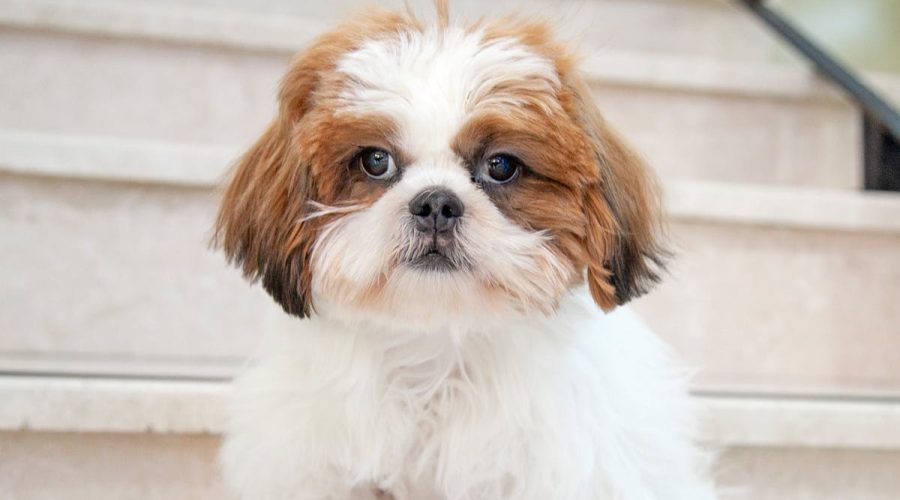
When searching for a puppy, loyalty is often the trait that sets one dog apart from another. Loving and Loyal Puppy Breeds are characterized by strong attachment to their owners, a desire to please, and emotional awareness. These puppies are not just obedient—they are genuinely invested in your wellbeing.
Key personality traits of loving and loyal puppies include:
Loyalty grows when a puppy experiences consistent care, training, and bonding activities.
Socialization is the cornerstone of a loyal and loving puppy. Puppies exposed to friendly people, safe outdoor environments, and positive experiences between 8 and 16 weeks are more likely to form lasting bonds.
Simple socialization steps include:
When a puppy learns to trust humans early, loyalty follows naturally.
Breed genetics provide a foundation for loyalty. For example, German Shepherds and Golden Retrievers were bred to work closely with humans, making them naturally devoted. However, environment shapes behavior: puppies raised in loving homes, with training and daily interaction, become more loyal than those without proper care.
Owning a loving and loyal puppy comes with benefits beyond companionship. These dogs offer:
A loyal puppy is not just a pet—it’s a confidant, playmate, and guardian all in one.
Here’s a closer look at some of the most loving and loyal puppy breeds you can find in Durham, NC.
German Shepherds are intelligent, obedient, and protective. They form deep bonds with their families and thrive on structure and training.
Golden Retrievers are renowned for their gentle and affectionate nature. They are playful, loving, and thrive in family environments.
Labradors are playful, eager to please, and emotionally devoted. They enjoy active families and are easy to train.
Corgis may be small, but their loyalty is enormous. They are devoted, alert, and playful.
Boxers are energetic, protective, and affectionate. They bond quickly with their families and are playful companions.
Cavaliers are gentle lapdogs who crave closeness. Their loyalty shines through their constant affection.
Rottweilers are strong, protective, and devoted. Properly raised Rottweilers are gentle with family while fiercely loyal.
Choosing the right puppy requires understanding your own lifestyle. Match breed energy, size, and temperament to your home environment.
When people talk about the perfect puppy, they often mean one thing. A dog that loves deeply and stays loyal through thick and thin. Loving and Loyal Puppy Breeds are not just pets. They are emotional anchors, playful companions, and silent protectors. If you have ever wanted a dog that follows you from room to room, greets you like a hero every time you come home, and curls up beside you at night, then this guide is for you.
Loyalty in dogs is not a myth or a movie trope. It is real, measurable, and deeply felt by millions of dog owners. Some breeds are simply wired to form stronger bonds with humans. Let us explore what makes these puppies so special and which breeds top the list.
Training builds trust and deepens attachment. Use positive reinforcement, consistent routines, and daily interaction to foster loyalty. Avoid harsh punishment, as it breaks trust and damages the bond.
Loyal puppies need proper care to thrive:
Bringing home a Most Loving and Loyal Puppy Breed in Durham, NC is more than just adopting a pet—it’s inviting a devoted friend into your life. From German Shepherds to Cavaliers, these breeds offer unconditional love, protection, and companionship. By choosing the right breed, providing proper training, and giving daily care, you can ensure a loyal bond that lasts a lifetime.
1. Which puppy breed is the most loyal?
German Shepherds and Golden Retrievers are widely regarded as the most loyal breeds.
2. Can small breeds be loyal too?
Yes, Corgis and Cavalier King Charles Spaniels are small but extremely devoted.
3. Do loyal puppies need extra attention?
They thrive on interaction but also need consistent boundaries and training.
4. How do I encourage loyalty in my puppy?
Spend time together, use positive reinforcement, and establish a stable routine.
5. Are loyal puppies good with children?
Many are. Golden Retrievers, Labradors, and Boxers are excellent family pets.
Owning a dog isn’t just about love and cuddles—it’s about responsibility, comfort, and care. The right accessories can turn daily chaos into smooth routines and make life easier for both you and your furry friend. Think of dog accessories as tools in a survival kit. You might not need all of them every day, but when you do, you’ll be glad they’re there. Let’s explore the best dog accessories every owner needs to keep their dog safe, happy, and healthy.
Dog accessories aren’t just “extras.” They help protect your dog, keep them comfortable, and simplify your daily routine. From walks to mealtime, the right gear saves time and reduces stress.
A comfortable bed improves sleep. Interactive toys reduce boredom. Safety gear prevents accidents. Small things add up to a big difference in your dog’s overall happiness.
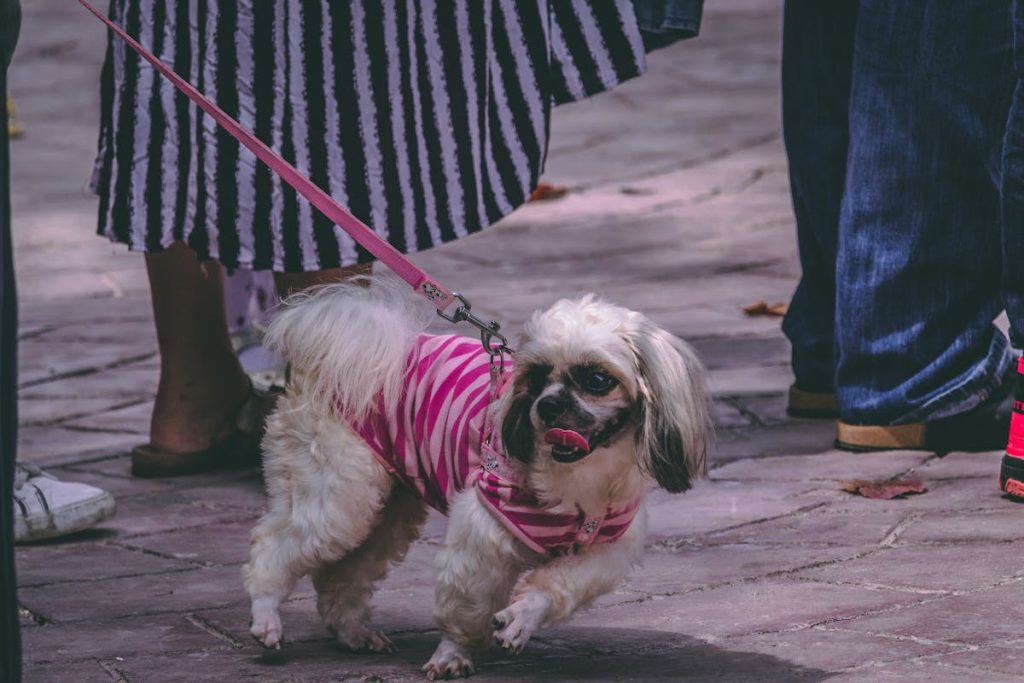
Collars work well for calm walkers, while harnesses are ideal for dogs that pull or have neck sensitivity.
A good rule? You should fit two fingers between the collar or harness and your dog’s body. Too tight causes discomfort, too loose risks escape.
Stainless steel bowls are durable and hygienic. Non-slip bases prevent spills that turn mealtime into cleanup time.
Perfect for busy owners, these ensure your dog eats and drinks on schedule—even when you’re not home.
Different coats need different tools. Regular brushing reduces shedding and keeps your dog’s coat healthy.
Long nails can cause pain and posture issues. Clippers are quick, while grinders offer precision for nervous dogs.
Always use dog-specific shampoo. Human products can irritate their skin.
Just like humans, dogs need proper support. Orthopedic beds are great for older dogs or breeds prone to joint issues.
Home crates provide security and routine, while travel crates ensure safety on the road.
Small, tasty treats work best. A treat pouch keeps rewards handy during training sessions.
Clickers help mark good behavior clearly, making training faster and more effective.
They relieve stress, reduce destructive behavior, and support dental health.
Mental stimulation is just as important as physical exercise. Puzzle toys keep smart dogs engaged and entertained.
An ID tag with updated contact details is essential. Microchips add an extra layer of security if your dog gets lost.
Reflective collars and leashes improve visibility at night, while dog seat belts keep car rides safe.
Protect your car seats from fur, dirt, and scratches while keeping your dog comfortable.
Collapsible bowls and breathable carriers make trips easier and stress-free.
Dog sweaters, jackets, and paw protectors help keep your dog warm during cold months.
Cooling mats, vests, and portable water bottles prevent overheating in hot weather.
The best dog accessories every owner needs aren’t about luxury—they’re about care, safety, and quality of life. When you invest in the right gear, daily routines become smoother, training becomes easier, and your bond with your dog grows stronger. Think of accessories as tools that help you become the best dog parent possible.
1. What are the most essential dog accessories for new owners?
Collar, leash, food bowls, bed, grooming tools, and basic toys.
2. Are dog harnesses better than collars?
Harnesses are safer for dogs that pull or have neck issues.
3. How many toys does a dog really need?
A mix of chew, interactive, and comfort toys is ideal.
4. Do dogs really need beds?
Yes, beds provide comfort, warmth, and joint support.
5. Are automatic feeders safe for dogs?
Yes, when used correctly, they help maintain consistent feeding schedules.
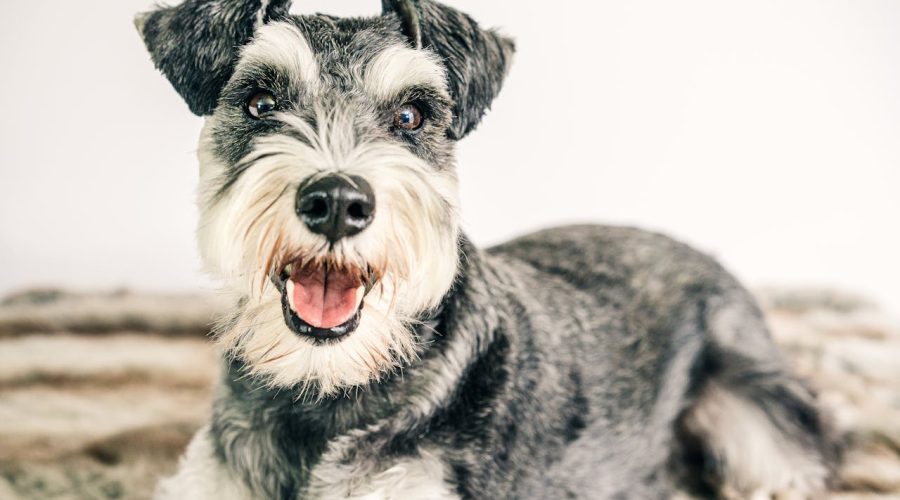
Miniature Schnauzers are alert, affectionate, and full of personality. They are known for their intelligence and family friendly attitude. Caring for them the right way helps them live a long and happy life. This breed is small but energetic, so they thrive on structure, love, and mental engagement.
This breed stands out with its iconic beard and eyebrows. Miniature Schnauzers are sturdy and confident. They stay playful throughout their life and form strong bonds with their families.
Good care supports their physical health and emotional balance. They are active thinkers, so they need more than food and shelter. They require routine, training, engagement, and affection to stay stable and well behaved.
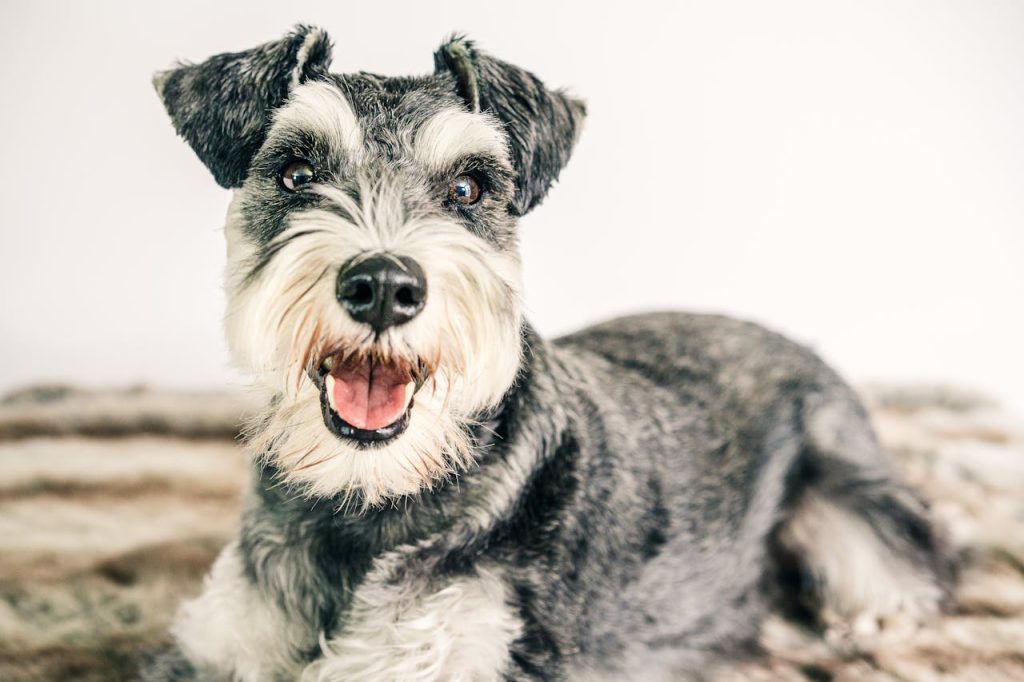
Miniature Schnauzers are lively and curious. They love being part of every family activity. They are also protective and alert, which makes them excellent watchdogs. With the right training, they remain friendly and well mannered.
Their intelligence means they catch on quickly, but it also means they get bored if not engaged. They need mental challenges just as much as physical activity.
A high quality diet keeps them energetic and supports a healthy coat. Choose food rich in lean protein, healthy fats, and controlled carbohydrates. Mini Schnauzers benefit from formulas designed for small breed dogs.
Avoid feeding them chocolate, grapes, raisins, onions, garlic, fried foods, and anything high in salt. These can harm their digestion and long term health.
Feed them twice a day. Keep portions appropriate for their weight and age to prevent obesity. They can gain weight quickly if overfed.
Brush their coat two to three times per week. Their double coat needs attention to prevent matting and maintain texture. Hand stripping or professional grooming helps preserve their signature look.
Bathe them every four to six weeks. Too many baths can dry their skin. Use a gentle shampoo.
Trim nails every two to three weeks. Check their ears weekly. Clean them gently to prevent wax buildup and infections.
Miniature Schnauzers shed minimally. Regular brushing distributes natural oils and keeps the skin healthy.
They need at least forty to sixty minutes of exercise daily. Walks, playtime, and mental tasks keep them balanced.
Puzzle toys, sniffing games, and obedience practice help keep their minds active. They enjoy problem solving.
They love fetch, agility activities, and brisk walks. They also enjoy learning new tricks.
Start early with commands like sit, stay, come, and leave it. Mini Schnauzers respond well to positive reinforcement.
Stay consistent with bathroom routines. Praise immediately when they go in the right place.
Expose them to people, pets, and different environments early. This prevents fear based behavior and boosts confidence.
Conditions to watch for include pancreatitis, eye issues, allergies, and urinary stones. Awareness helps with early detection.
Routine vet visits, vaccinations, and parasite control support long term health.
Brush their teeth several times a week. Dental chews and regular vet cleanings help prevent plaque buildup.
Keep small objects and toxic plants out of reach. They are curious and may chew items.
Choose a cozy bed and an appropriately sized crate. This gives them a safe place to rest.
Mini Schnauzers tolerate moderate temperatures. Protect them from extreme heat or cold.
Use a secure harness or carrier. This keeps them safe and calm.
Practice short rides before long journeys. Pack familiar items to reduce anxiety.
Carry water, food, treats, wipes, a leash, and their favorite toy.
Teach quiet commands and offer rewards when they follow. Avoid shouting since it reinforces excitement.
Give them toys that keep them engaged. Create a calm leaving and returning routine.
Redirect unwanted behavior and reward the right actions. This builds trust and consistency.
Avoid skipping training or delaying socialization. These mistakes lead to behavioral challenges.
Set eating, walking, and sleeping habits. A stable schedule keeps them calm and happy.
Spend quality time playing, training, and communicating. Your bond grows through daily interactions.
Miniature Schnauzers are intelligent, loving, and energetic. When cared for properly, they thrive and become loyal companions. With the right diet, grooming routine, training plan, and attention, you can enjoy a strong and rewarding relationship with this remarkable breed.
1. How often should I groom a Miniature Schnauzer?
Brush several times a week and schedule trimming every four to six weeks.
2. Are Miniature Schnauzers good with children?
Yes, they are affectionate and patient when properly socialized.
3. How much exercise do they need?
They need at least forty to sixty minutes of daily activity.
4. Do Mini Schnauzers shed a lot?
No, they shed minimally and are considered low shedding.
5. What is the best food for Miniature Schnauzers?
Small breed formulas with lean protein and balanced nutrients work well.
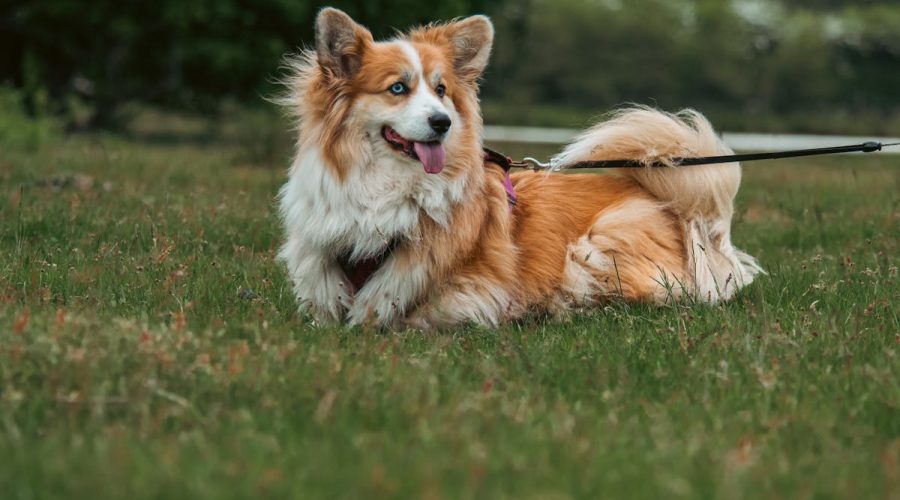
Congratulations on welcoming a Corgi into your home! These energetic, intelligent, and playful dogs bring joy and companionship, but their unique exercise needs require attention. Understanding how much physical and mental activity your Corgi requires ensures a happy, healthy, and well-behaved pup.
Corgis are small but mighty dogs. They have a herding background that gives them high energy and a love for activity. Regular exercise keeps them physically fit, mentally stimulated, and prevents common behavioral issues like excessive barking, chewing, and restlessness.
Corgis originated in Wales as herding dogs, specifically trained to herd cattle and sheep. There are two main types: Pembroke Welsh Corgis and Cardigan Welsh Corgis. Both types are intelligent, alert, and naturally active, traits that make exercise essential for their well-being.
Corgis have moderate to high energy levels. They are lively dogs that enjoy running, playing, and participating in mentally stimulating activities. Without regular exercise, they can become bored, anxious, or destructive.
Corgis are compact, muscular dogs with short legs. Their build makes them prone to joint issues like hip dysplasia and intervertebral disc disease, which should influence the type and intensity of exercise.
Maintaining a healthy weight is crucial. Extra pounds increase stress on their joints and can lead to long-term health problems. Controlled exercise helps prevent obesity and supports joint health.
Puppies require short bursts of activity throughout the day. Focus on playtime, gentle walks, and basic training exercises. Avoid strenuous activities that could strain their developing bones and joints.
Adult Corgis benefit from 1–2 hours of daily activity, combining walks, playtime, and mentally stimulating exercises. Consistency is key to keeping them happy and well-behaved.
Older Corgis may have reduced stamina. Low-impact activities like short walks, gentle play, and indoor games keep them active without stressing joints.
Aim for 60–120 minutes of exercise per day, divided into multiple sessions. Moderate-intensity activities like brisk walks or fetch are ideal.
Corgis are intelligent and thrive on mental challenges. Puzzle toys, treat-dispensing games, and problem-solving activities keep their minds sharp.
Incorporate short training sessions into daily routines. Teaching commands, tricks, and agility exercises engages their brain and body simultaneously.
Regular outdoor walks help burn energy and provide sensory stimulation. If your Corgi is healthy and conditioned, short jogs or hiking adventures are excellent options.
Dog parks allow safe interaction with other dogs, which supports socialization and provides high-energy playtime. Always monitor interactions to prevent overexertion.
Indoor fetch or tug games keep your Corgi active when outdoor options are limited. Interactive toys provide mental stimulation and physical movement.
Set up mini agility courses using household items. Crawling under chairs, jumping over cushions, and weaving through obstacles combines fun with exercise.
Avoid strenuous activity in hot or humid conditions. Corgis have thick coats and can overheat easily. Always provide fresh water and rest breaks.
Irregular exercise leads to pent-up energy, which can result in destructive behavior. A consistent routine is crucial for their mental and physical health.
Corgis prone to joint problems should have low-impact activities like walking or swimming. Always consult your vet if your dog shows signs of discomfort or fatigue.
Adjust exercise routines based on weather. Shorter sessions during hot summers and cold winters help prevent heatstroke or hypothermia.
Balance walks, playtime, and training exercises. Mental stimulation reduces boredom and enhances obedience.
Use treats, praise, and play to encourage exercise. Positive reinforcement strengthens the bond between you and your Corgi.
Observe your Corgi’s energy levels and adapt routines as needed. Every dog is unique, and flexibility ensures optimal health and happiness.
Corgis are energetic, intelligent, and loyal companions. Meeting their exercise needs is vital for physical health, mental stimulation, and overall happiness. By providing a mix of physical activity, mental challenges, and social interaction, you ensure your Corgi thrives in your home. Consistent routines, age-appropriate activities, and attention to health make every day enjoyable for both you and your furry friend.
1. How much exercise does a Corgi need daily?
Corgis need 60–120 minutes of combined physical and mental activity each day.
2. Can Corgis overheat during exercise?
Yes, their thick coats make them prone to overheating. Avoid hot, humid conditions and provide water breaks.
3. Are indoor exercises enough for Corgis?
Indoor exercises help, but outdoor walks and play are essential for full physical and mental stimulation.
4. What are signs my Corgi is under-exercised?
Restlessness, destructive behavior, excessive barking, and weight gain are common signs.
5. Can senior Corgis still be active?
Yes, but exercise should be low-impact, like gentle walks and light indoor games.

516 Columbia Blvd
Sonoma, CA 21202

Office: 772-619-6309
Inquiries: 772-619-6432

Mon - Fri: 9am - 8pm
Sat - Sun: Closed