984-489-7877
Call us today

984-489-7877
Call us today

Few things worry pet parents more than seeing a full bowl of untouched food. One day your puppy eats like a champion, and the next day they turn their nose up as if the food offended them. If you’re searching for answers about puppy not eating, you’re not alone.
A puppy refusing food can be frustrating, confusing, and sometimes scary. Is it just picky behavior? Or is something wrong? The truth is, puppies stop eating for many different reasons—some harmless, others serious.
This guide will help you understand why your puppy isn’t eating, what you can do at home, and when it’s time to call the vet.
Puppies grow fast and burn energy quickly. That means they usually eat more often than adult dogs.
Most puppies need:
However, appetite can change daily depending on:
Small breeds may eat tiny amounts but frequently, while large breeds consume bigger portions. Teething puppies often eat less because chewing hurts. Adolescence (around 6–9 months) can also cause appetite shifts.
A skipped meal once in a while is normal. Refusing food for more than 24 hours is not.
Learn more about Choosing the right food for your dog breed! Not all dog foods are the same.
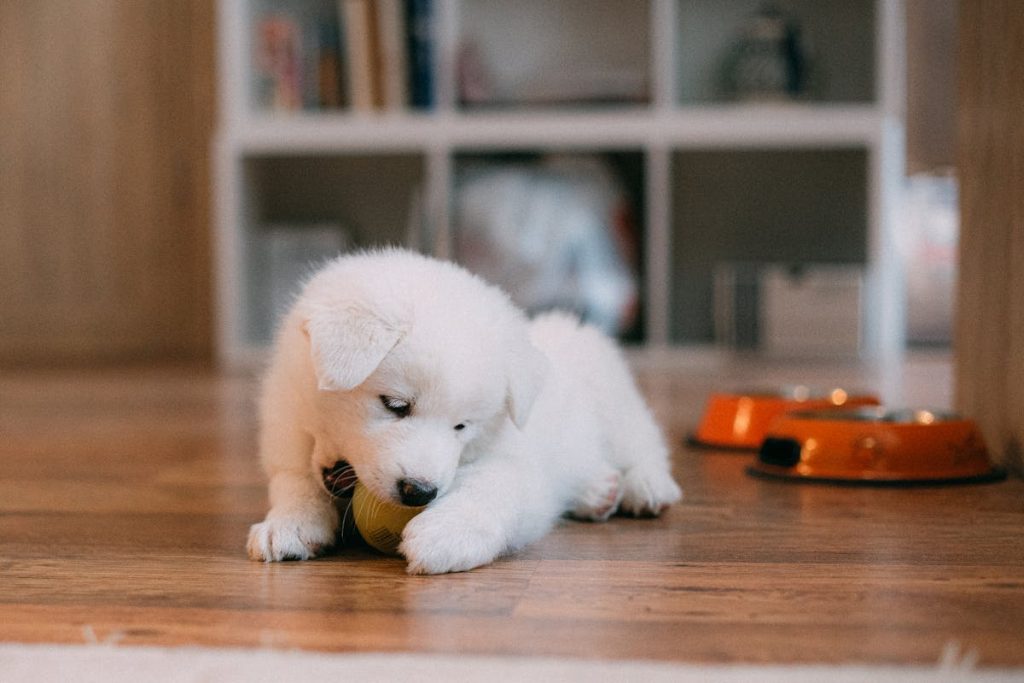
Understanding the cause helps you choose the right solution.
Moving to a new home, meeting new people, or even rearranging furniture can stress a puppy. Stress affects appetite just like it does in humans.
A puppy in a new environment may refuse food for 1–2 days while adjusting.
Teething can make chewing painful. Hard kibble feels like biting rocks when gums are sore. Puppies may avoid food until discomfort improves.
Loss of appetite is often the first sign of illness. Infections, fever, stomach problems, or injuries can all make a puppy stop eating.
Worms can steal nutrients from your puppy and cause nausea. This leads to reduced appetite and weight loss.
Some puppies feel tired or slightly sick after vaccines. Skipping a meal for a day afterward is common.
Too many treats can spoil dinner. Puppies are smart—they hold out for tastier snacks if they know they’ll get them.
Dogs can get bored of the same flavor. If you constantly change food, your puppy may learn to wait for something better.
Hot weather reduces appetite. Puppies eat less when temperatures rise, just like people do.
A puppy not eating becomes serious when combined with other symptoms.
If your puppy is unusually tired, hides, or refuses to play, it could signal illness.
Digestive issues with loss of appetite may indicate infection or parasites.
Visible ribs or rapid weight drop is a red flag.
If these signs appear, seek veterinary help immediately.
Now let’s talk solutions.
Make sure the food:
Sometimes food goes stale without us noticing.
Feed your puppy in a quiet place away from noise, children, or other pets. Stress can kill appetite.
Put food down for 15–20 minutes. If they don’t eat, remove it. Offer food again at the next meal.
This teaches your puppy that meals happen on schedule—not whenever they feel like it.
Dogs thrive on routine. Same time, same place, same bowl.
Warm food releases aroma, making it more appealing. Just make sure it’s not hot.
Small additions can tempt appetite:
Do not turn this into a habit of constant upgrades.
Hand feeding can help nervous puppies eat. But use it short-term to avoid dependency.
If your puppy isn’t eating, make sure they’re drinking water. Dehydration is dangerous.
Gentle on the stomach and easy to chew.
Great for digestion and fiber.
Helps gut bacteria but only in small amounts.
This can cause fear and choking.
Switching food daily creates picky eaters.
Pizza, fries, or sweets harm digestion and nutrition.
Feed at the same time daily. Avoid free-feeding.
Choose high-quality puppy food with proper protein and nutrients.
Routine checks catch problems early.
Contact your vet if:
Better safe than sorry.
Many people believe puppies will starve themselves if picky. In reality, healthy puppies usually eat when hungry—but illness can change that.
Another myth is that hand feeding is harmless. Over time, it creates dependency.
Ignoring appetite issues can lead to:
Good eating habits now build a healthy adult dog.
A puppy refusing food can feel like a crisis, but it doesn’t always mean something serious. Stress, teething, routine changes, and minor discomfort can all cause appetite loss. Understanding why your puppy not eating is happening allows you to respond calmly and wisely.
Create a routine, offer healthy food, avoid bad habits, and watch for warning signs. With patience and consistency, most puppies return to normal eating quickly.
Your puppy depends on you not just for food, but for reassurance and structure. A calm approach today builds a healthier dog tomorrow.
1. How long can a puppy go without eating?
Young puppies should not skip more than 24 hours. Older puppies can go 48 hours, but vet advice is recommended.
2. Is it normal for puppies to skip meals during teething?
Yes, sore gums can reduce appetite temporarily.
3. Can stress cause a puppy to stop eating?
Absolutely. New environments and changes commonly affect appetite.
4. Should I change food if my puppy won’t eat?
Only after checking with a vet and transitioning slowly.
5. When should I worry about my puppy not eating?
If refusal lasts more than a day with other symptoms like lethargy, vomiting, or diarrhea.

516 Columbia Blvd
Sonoma, CA 21202

Office: 772-619-6309
Inquiries: 772-619-6432
Mon - Fri: 9am - 8pm
Sat - Sun: Closed