984-489-7877
Call us today

984-489-7877
Call us today

Maintaining proper ear hygiene is an essential part of overall pet care, yet many dog owners overlook it. Dog ear cleaning helps remove dirt, wax, and debris that can accumulate inside the ear canal over time. When these substances build up, they create a warm and moist environment that allows bacteria and yeast to grow. This can lead to infections, discomfort, and even long-term ear problems if left untreated.
Dogs explore the world using their senses, and their ears are especially important for communication and awareness. Healthy ears allow dogs to hear clearly and respond to sounds around them.
Dogs can develop several ear issues if their ears are not cleaned or monitored regularly. One of the most common problems is ear infections. These infections often occur when bacteria or yeast grow in the moist environment of the ear canal. Symptoms may include redness, swelling, unpleasant odor, or discharge.
Another issue is excessive wax buildup. While a small amount of wax is normal, too much can trap dirt and lead to irritation. Dogs with floppy ears are especially prone to wax buildup because air circulation inside their ears is limited.
One of the clearest indicators that your dog may need ear care is visible dirt or wax in the ear canal. When you gently lift your dog’s ear flap and look inside, the ear should appear clean and light pink. Small amounts of wax are normal, but thick or dark buildup can signal the need for cleaning.
Excessive wax can trap bacteria and cause irritation if left untreated. Over time, this buildup may also produce an unpleasant odor. When you notice these signs, it is usually a good time to perform dog ear cleaning to restore proper hygiene.
Dogs often communicate discomfort through their behavior. If your dog frequently scratches its ears or shakes its head, this may indicate irritation inside the ear canal. While occasional scratching is normal, repeated scratching can signal a buildup of wax, debris, or infection.
Head shaking is another common symptom. Dogs may shake their heads to relieve pressure or discomfort in their ears. If this behavior occurs regularly, inspecting the ears for redness, swelling, or dirt can help determine whether cleaning is needed.
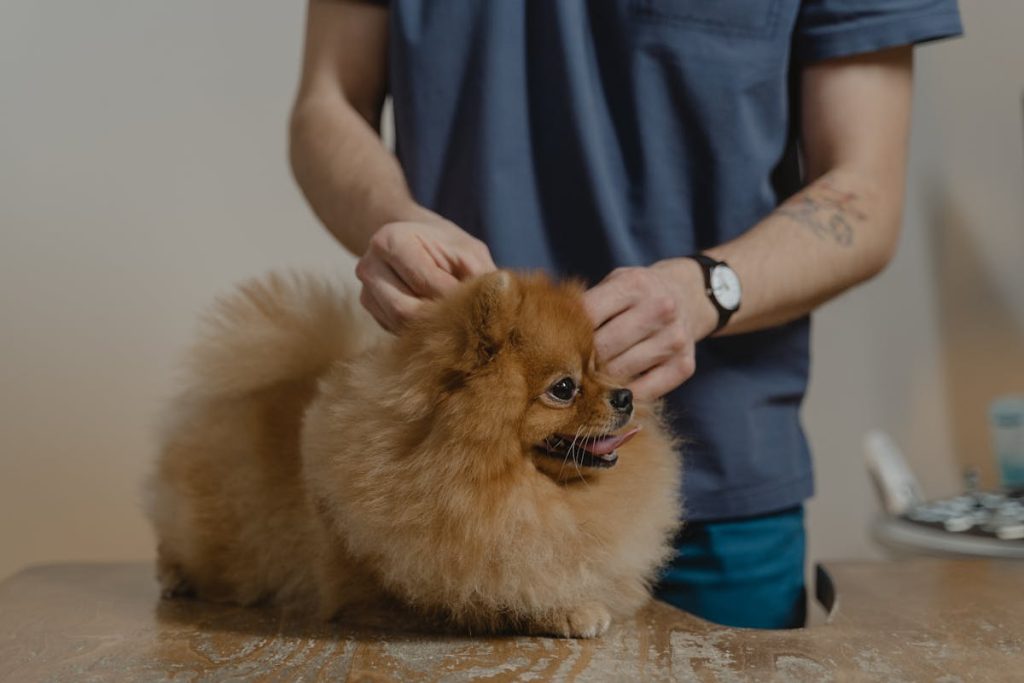
The ideal cleaning schedule varies depending on the dog’s breed, lifestyle, and ear structure. Some dogs require frequent ear cleaning, while others may need it only occasionally. Dogs with long or floppy ears, such as Cocker Spaniels or Basset Hounds, often need more regular care because their ear canals retain moisture more easily.
Active dogs that swim frequently or spend time outdoors may also require more frequent dog ear cleaning. Water and dirt can accumulate inside the ears during these activities, increasing the risk of infections. In contrast, dogs with upright ears and minimal wax buildup may only need occasional cleaning.
Veterinarians often recommend checking your dog’s ears weekly. This routine inspection helps identify any buildup or irritation early. Cleaning should be done only when necessary, as excessive cleaning can disrupt the natural balance of the ear canal.
Before beginning the cleaning process, it is important to gather the right supplies. Using proper tools ensures that the cleaning process is safe and comfortable for your dog. Essential items for dog ear cleaning include a veterinarian-approved ear cleaning solution, cotton balls or gauze pads, and treats for positive reinforcement.
Ear cleaning solutions are specifically designed to break down wax and remove debris without harming the delicate ear canal. Cotton balls are ideal for gently wiping away dirt and excess liquid. Avoid using cotton swabs, as they can push debris deeper into the ear and potentially cause injury.
Having treats available during the process can help keep your dog calm and cooperative. Positive reinforcement encourages dogs to associate ear cleaning with a rewarding experience, making future sessions easier.
Preparation is an important step when performing dog ear cleaning. Start by choosing a quiet area where your dog feels comfortable. Sit beside your dog and gently hold the ear flap to expose the ear canal. Speaking calmly and offering treats can help your dog remain relaxed during the process.
If your dog is nervous, take a few moments to let them adjust before starting. Patience and reassurance go a long way in making the experience stress-free for both you and your pet.
Once your dog is calm, apply a few drops of the ear cleaning solution into the ear canal according to the product instructions. Gently massage the base of the ear for several seconds to allow the solution to loosen wax and debris.
After massaging the ear, allow your dog to shake its head. This natural movement helps bring loosened debris toward the outer ear. Use a cotton ball or gauze pad to gently wipe away the dirt and liquid from the ear opening. Repeat the process if necessary, but avoid inserting anything deep into the ear canal.
Using inappropriate tools is one of the most common mistakes dog owners make when cleaning their pet’s ears. Cotton swabs, for example, can push wax deeper into the ear canal and increase the risk of injury. Instead, soft cotton balls or gauze should be used to remove debris safely.
Although regular ear care is beneficial, excessive dog ear cleaning can irritate the ear canal. Over-cleaning may remove natural oils that protect the ear, leading to dryness and inflammation. Cleaning should only be done when visible buildup or odor is present.
Maintaining healthy ears requires consistent grooming and routine inspections. Checking your dog’s ears weekly allows you to identify early signs of dirt, redness, or irritation. Keeping the fur around the ears trimmed can also improve airflow and reduce moisture buildup.
Regular veterinary checkups are equally important. A veterinarian can examine the ears for hidden problems and provide guidance on proper ear care. By combining grooming, routine cleaning, and professional advice, dog owners can keep their pet’s ears healthy and comfortable.
Proper dog ear cleaning is an essential part of responsible pet care. Clean ears help prevent infections, reduce discomfort, and support your dog’s overall health. By recognizing signs that your dog needs ear care and using safe cleaning techniques, you can maintain healthy ears and avoid common problems.
Regular inspections, gentle cleaning, and attention to your dog’s behavior all contribute to effective ear care. With a consistent routine and the right approach, keeping your dog’s ears clean becomes a simple and beneficial habit.
Most dogs benefit from ear checks weekly, but cleaning should only be done when wax or debris is visible.
Plain water is not recommended because it can remain inside the ear canal and promote bacterial growth.
Yes, breeds with floppy ears often experience more ear issues due to limited airflow inside the ear canal.
Common signs include redness, strong odor, swelling, discharge, and frequent scratching.
If your dog shows signs of infection or severe discomfort, veterinary advice is recommended before cleaning.

516 Columbia Blvd
Sonoma, CA 21202

Office: 772-619-6309
Inquiries: 772-619-6432

Mon - Fri: 9am - 8pm
Sat - Sun: Closed