984-489-7877
Call us today

984-489-7877
Call us today

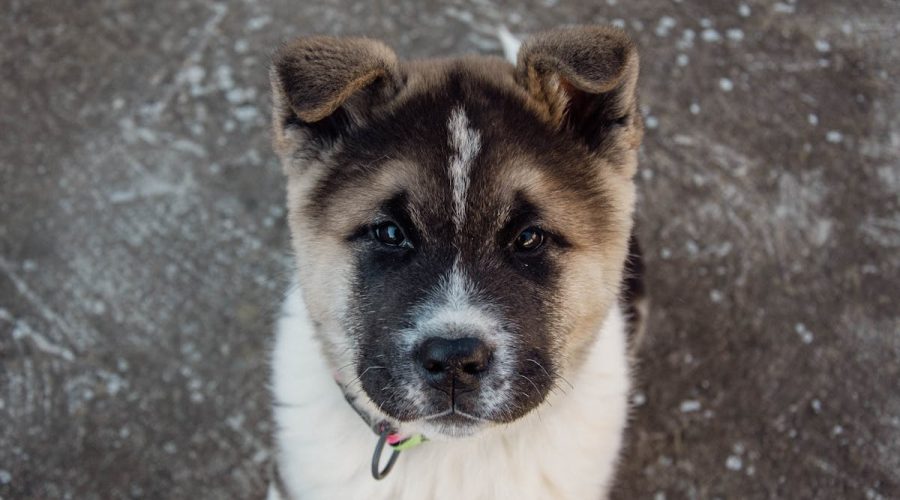
Bringing home an Akita puppy is an exciting experience — they’re intelligent, loyal, and stunningly beautiful. But this breed also needs dedicated care, proper training, and early socialization to thrive. Let’s dive into everything you need to know to raise a happy, well-balanced Akita puppy.
The Akita originates from Japan, where it was bred as a powerful hunting and guarding dog. The breed symbolizes loyalty and protection — famously known for “Hachiko,” the Akita who waited years for his late owner at a train station.
Akitas are known for their courage, independence, and devotion. They’re affectionate with family but can be aloof with strangers. Early socialization is essential to ensure they grow into well-mannered companions.
Before bringing your puppy home, prepare a quiet, secure area for sleeping and eating. Akitas thrive on routine, so set boundaries early.
Hide electrical cords, keep harmful plants out of reach, and ensure all cleaning chemicals are stored safely. Akita puppies are curious explorers!
Akita puppies require a protein-rich diet to support their rapid growth. Look for dog food with real meat, omega fatty acids, and balanced nutrients.
Avoid overfeeding — Akitas can gain weight easily. Stick to measured portions and skip table scraps.
Akitas are intelligent but can be strong-willed. Begin training at 8 weeks to build good habits early.
Start with sit, stay, come, and down. Keep sessions short, fun, and reward-based.
Crates provide structure and help with housebreaking. Take your puppy outside after meals and naps for faster progress.
Never use harsh punishment. Akitas respond best to praise, treats, and consistency.
Socialization is key to preventing aggression or fearfulness. Expose your Akita to various people, pets, and environments during the first 16 weeks.
Proper socialization builds a confident, well-rounded Akita.
Akitas are energetic but not overly hyper. Daily walks, playtime, and short training sessions keep them happy.
Mental games like puzzle toys also prevent boredom and destructive behavior.
Akitas have a thick double coat that sheds heavily twice a year.
Brush 2–3 times weekly to reduce shedding. Use an undercoat rake during seasonal “blowouts.”
Bathe once every 2–3 months unless dirty. Trim nails monthly and brush teeth weekly to maintain oral health.
Akitas are generally healthy but prone to certain issues like hip dysplasia and hypothyroidism. Regular vet checkups, vaccines, and parasite prevention are a must.
Akitas bond deeply with their family. Spend quality time daily through walks, play, and training. Understanding their body language helps strengthen trust.
Akitas are intelligent yet independent, which can come across as stubbornness. Stay patient, consistent, and confident in your leadership.
As your Akita matures, adjust diet portions and continue training to reinforce obedience. Adult Akitas are calmer but still protective and loyal.
Akitas can adapt to apartment life if exercised daily. However, they prefer homes with space and secure yards. Avoid leaving them alone for long hours — they crave companionship.
Avoiding these mistakes ensures a well-balanced, loyal companion.
Raising an Akita puppy takes patience, structure, and love. With proper feeding, consistent training, and early socialization, your Akita will grow into a majestic and devoted guardian that brings pride to your family.
1. What’s the best food for an Akita puppy?
High-quality puppy food with lean protein, omega-3s, and whole grains is ideal.
2. Are Akitas good with kids?
Yes, with proper socialization. Always supervise interactions with small children.
3. How often should I groom my Akita?
Brush weekly and bathe every 2–3 months.
4. When should I start training my Akita puppy?
Start as early as 8 weeks with short, positive sessions.
5. How do I handle stubborn behavior?
Be consistent, patient, and use reward-based reinforcement.
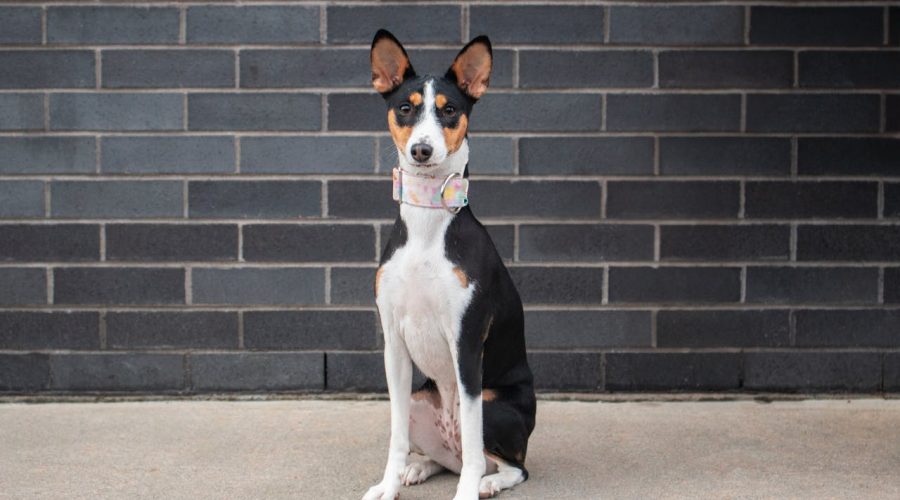
The American Foxhound is a breed with deep roots in American history. Known for its friendly personality, hunting instincts, and endless energy, this dog was originally bred for fox hunting but has since become a beloved companion for active families. If you’re thinking about adding one to your household, understanding their personality, behavior, and lifestyle needs is key to a happy partnership.
Developed in the early 1700s, the American Foxhound is one of the oldest native dog breeds in the United States. George Washington himself played a role in refining the breed by crossing imported English Foxhounds with French hounds. The result? A lean, athletic, and determined hunter that could run for hours across the countryside.
Over time, the breed evolved from a hunting dog to a loyal family companion, known for its endurance and affectionate spirit.
The American Foxhound is a medium-to-large breed with a sleek, athletic body built for stamina. Males typically stand between 22–25 inches, while females are slightly smaller, ranging 21–24 inches. Their weight usually falls between 60–75 pounds, depending on diet and activity level.
They have a short, smooth coat that’s easy to maintain. Common colors include tricolor (black, white, and tan), red and white, and blue tick variations.
Their long, straight legs, deep chest, and expressive brown eyes make them stand out. Combined with their strong sense of smell and graceful stride, they truly embody both beauty and purpose.
American Foxhounds are loyal to the core. While they were bred for hunting, they form deep attachments to their families and enjoy spending time with people. They are rarely aggressive and make great companions for children.
These dogs are extremely energetic and thrive in active households. They need daily exercise to keep them both physically and mentally satisfied. A bored Foxhound can quickly turn mischievous, so regular playtime is essential.
American Foxhounds are pack-oriented, meaning they love being around people or other dogs. Their friendly nature makes them poor guard dogs but wonderful social pets.
Foxhounds are intelligent but also independent thinkers. This trait helped them work alone in the field but can make training a little challenging. However, with patience and consistency, they respond well.
One of their most iconic traits is their melodious howl. They use their voice to communicate excitement or to alert you of visitors. While charming outdoors, it can become noisy in close living spaces — something to consider if you have neighbors.
They thrive in groups and do best when they have company. Whether it’s another pet or a human companion, loneliness can lead to destructive behavior or anxiety.
This breed was made to run. They need at least 1–2 hours of exercise daily, including walks, runs, or outdoor games. They love open spaces, so a fenced yard is ideal.
A high-protein, balanced diet keeps them energetic and lean. Choose dog food rich in real meat, whole grains, and healthy fats. Avoid overfeeding — Foxhounds have big appetites and can gain weight easily.
Their short coat makes grooming simple. Weekly brushing keeps shedding under control, and monthly baths are enough. Don’t forget to clean their ears regularly to prevent infections.
Start socializing early to help them adapt to different sounds, people, and environments. This prevents shyness and improves their confidence.
These dogs are sensitive and respond best to praise-based training. Harsh discipline doesn’t work — instead, use treats and gentle correction.
American Foxhounds can be strong-willed. Keep training sessions short, fun, and engaging. Their love for food makes treats an excellent motivator!
While adaptable, American Foxhounds are best suited for homes with yards or access to outdoor space. Apartment living can work only if you’re dedicated to giving them plenty of exercise.
They’re naturally gentle and get along well with kids. Their sociable nature also makes them friendly with other dogs, though small pets should be supervised due to their hunting instincts.
Like many active breeds, Foxhounds are prone to hip dysplasia. Maintaining a healthy weight and providing joint supplements can help reduce the risk.
Their floppy ears can trap moisture and dirt, leading to infections. Regular ear cleaning and vet checks are essential.
Because they love to eat, portion control and regular exercise are important to prevent obesity-related health issues.
If you’re looking for an energetic, affectionate, and loyal dog who loves the outdoors, the American Foxhound could be a perfect match. They’re best for active owners who can dedicate time to exercise and companionship.
However, if you prefer a quiet, low-maintenance pet, this breed might not be ideal — their energy and voice need an owner ready for adventure!
The American Foxhound is a true representation of energy, grace, and loyalty. Their easy-going personality and joyful spirit make them wonderful companions for those who can keep up with their active lifestyle. With the right care, training, and love, this breed will reward you with years of affection and fun.
1. Are American Foxhounds good family pets?
Yes! They’re affectionate, loyal, and great with children when properly trained and socialized.
2. How much exercise does an American Foxhound need daily?
At least 1–2 hours of exercise, including running or long walks, to stay healthy and happy.
3. Do American Foxhounds bark a lot?
They tend to howl rather than bark, especially when excited or left alone for too long.
4. Are American Foxhounds easy to train?
They’re intelligent but can be stubborn. Consistency and positive reinforcement work best.
5. How long do American Foxhounds live?
Their average lifespan is 10–13 years, depending on diet, exercise, and overall care.
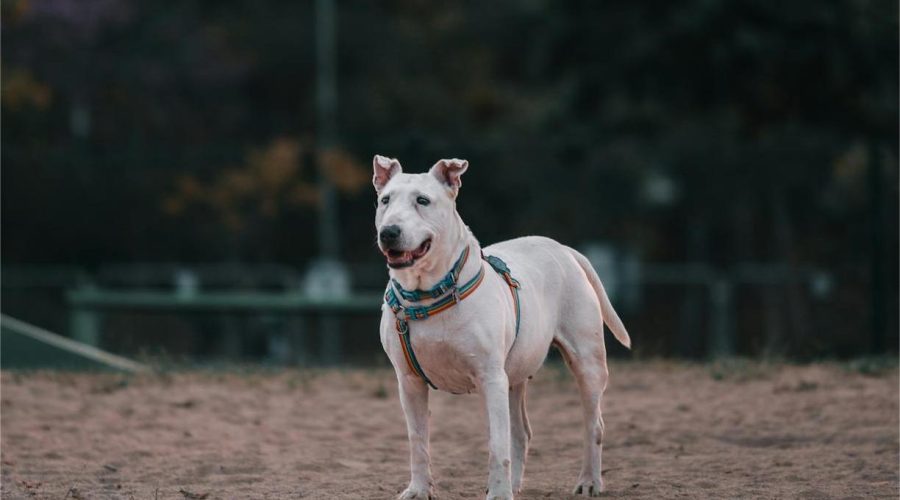
If you’re lucky enough to share your home with a Bull Terrier, you already know how lively, charming, and affectionate these dogs are. But with their unique coat and sensitive skin, grooming is more than just a way to keep them looking sharp it’s essential for their health and comfort. In this guide, we’ll walk through everything you need to know about Bull Terrier grooming, from brushing routines to bathing, nail care, and skin health.
Bull Terriers have a short, dense coat that lies flat against the skin. Unlike long-haired breeds, they don’t need elaborate trims, but they do shed moderately year-round. Their coat is easy to manage, yet their skin can be prone to allergies, dryness, or irritation, so grooming is about more than looksit’s about prevention.
Before diving into routines, let’s talk tools:
Having the right tools ensures grooming is safe, effective, and stress-free.
Brushing once or twice a week is usually enough to remove loose hairs and keep the coat shiny. Use a rubber curry brush in circular motions it feels like a massage and boosts blood circulation. Regular brushing also reduces shedding on your furniture and clothing.
Bull Terriers don’t need frequent baths. Once every 4–6 weeks is enough unless they roll in something messy. Use lukewarm water and a mild, dog-specific shampoo. Harsh products strip natural oils and cause dryness. During the bath, pay attention to folds of skin and under the neck, where dirt tends to collect.
Skip the high-heat dryer. Instead, towel-dry your pup and, if needed, use a blow dryer on a cool setting. This prevents skin irritation and overheating. Always check the ears and paws to make sure no moisture is trapped.
Skin sensitivity is a common issue. Watch for redness, hot spots, or excessive scratching. To help:
If skin issues persist, a vet visit is the best option.
Long nails make walking uncomfortable and can even cause injury. Trim every 3–4 weeks. If you hear clicking on the floor, it’s time. Use a guillotine clipper or grinder, and trim small sections at a time to avoid cutting into the quick.
Bull Terrier ears stand upright, which allows airflow, but they still need attention. Clean with a vet-approved ear solution once every couple of weeks. Gently wipe the outer ear and avoid inserting anything deep inside. Redness, foul odor, or discharge means a vet check is needed.
Dental health is often overlooked but crucial. Brush your Bull Terrier’s teeth 2–3 times a week with canine toothpaste. Chew toys and dental sticks can help reduce plaque buildup, but brushing remains the gold standard.
Some Bull Terriers develop tear stains, especially in lighter coats. Use a damp cloth to gently wipe around the eyes daily. Persistent discharge or redness may indicate an infection and requires veterinary care.
Active Bull Terriers often wear down their paw pads. Check regularly for cuts, cracks, or lodged debris. Moisturizing paw balms help prevent dryness, especially in hot or cold weather.
Bull Terriers shed moderately, especially during seasonal changes. Weekly brushing, a balanced diet, and omega-rich supplements reduce excess shedding. Using a lint roller or vacuum with a pet attachment will also keep your home hair-free.
Most Bull Terrier owners can manage grooming at home. However, a professional groomer may be helpful for nail trims, deep cleaning, or when you need expert care for skin issues. Consider professional visits every few months as a supplement to your home routine.
Clean dogs start with a clean environment. Wash their bedding weekly, vacuum often, and wipe down toys and bowls. A hygienic living space prevents skin flare-ups and infections.
Grooming a Bull Terrier doesn’t need to be complicated, but it does require consistency. With the right tools, routine care, and attention to their sensitive skin, you’ll keep your Bull Terrier not only looking sleek but also feeling comfortable and healthy. Remember, grooming is bonding timeit strengthens your connection while keeping your pup in top condition.
1. How often should I brush my Bull Terrier?
Once or twice a week is enough to control shedding and keep the coat healthy.
2. Do Bull Terriers need haircuts?
No, their short coat doesn’t require trimming just regular brushing and bathing.
3. How often should I bathe my Bull Terrier?
Every 4–6 weeks or as needed if they get dirty.
4. Are Bull Terriers prone to skin problems?
Yes, they can develop allergies and irritations, so gentle grooming is key.
5. What’s the best shampoo for Bull Terriers?
A mild, hypoallergenic, dog-specific shampoo is best to protect sensitive skin.

516 Columbia Blvd
Sonoma, CA 21202

Office: 772-619-6309
Inquiries: 772-619-6432

Mon - Fri: 9am - 8pm
Sat - Sun: Closed