
984-489-7877
Call us today

984-489-7877
Call us today

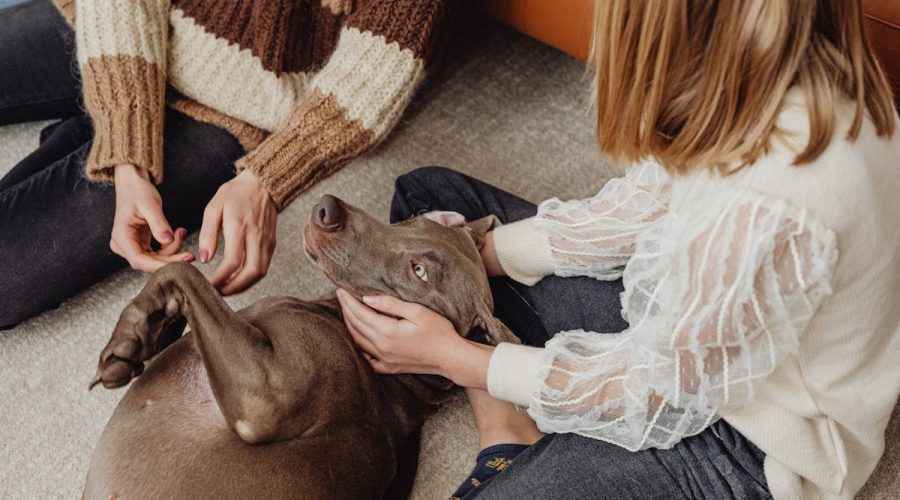
Thanksgiving is a joyful time full of family, food, and fun. But for puppies, it can be overwhelming. From loud conversations to unfamiliar visitors and new smells, Thanksgiving often leads to overstimulated, anxious, or even exhausted puppies. Helping your pup stay calm during and after the festivities is crucial for their health, happiness, and your peace of mind.
In this guide, we’ll cover 10 proven ways to calm your puppy after Thanksgiving celebrations, including behavioral tips, environmental strategies, and gentle care techniques.
Puppies can’t tell us when they’re overwhelmed, but their behavior speaks volumes. Watch for:
Overstimulated puppies may act clingy, refuse to eat, or show sudden aggression. Recognizing stress early allows you to act before it escalates.
Read More: Tips for Puppy Care During This Holiday Season!
Set up a designated area away from guests with their bed, toys, and blankets. A small, cozy space helps them relax.
Lower loud music, limit sudden bursts of noise, and keep visitors from overwhelming your puppy. Even small adjustments help tremendously.
Maintain your puppy’s regular meal times. Disrupted feeding can increase anxiety.
Stick to normal walking and play schedules. Familiar activities help your puppy feel secure.
Puzzle toys or treat dispensers keep your puppy engaged and distract them from overstimulation.
Safe chew toys allow your puppy to release tension naturally.
Praise and treats for calm behavior reinforce relaxation and reduce anxiety.
Never scold an overstimulated puppy—it only increases stress.
Slow, gentle strokes along the back, neck, and ears can reduce tension.
Massage lowers heart rate, relieves muscle tension, and provides comfort after a busy day.
Lavender and chamomile are puppy-safe in small, controlled amounts.
Diffuse oils away from the puppy’s direct breathing area, never apply directly to skin.
Classical or soft instrumental music has been shown to reduce anxiety in dogs.
A gentle white noise machine masks sudden loud sounds, keeping your puppy calm.
Staying hydrated is essential after busy holiday activities.
Small portions of pumpkin, carrots, or dog-safe treats provide comfort without upsetting digestion.
A calm walk outside can help release pent-up energy and improve mood.
Low-intensity play like fetch or tug can distract from overstimulation and reduce anxiety.
If visitors continue after Thanksgiving, reintroduce your puppy slowly to avoid overstimulation.
Pair greetings with treats and praise so your puppy associates guests with calm, positive experiences.
Persistent vomiting, diarrhea, excessive panting, or unusual aggression may require a vet visit.
Keep notes on behavior patterns and recovery to adjust future strategies.
Create puppy-safe zones before guests arrive, limit loud activities, and maintain routines.
Ask family and friends to follow simple rules: no sudden loud noises, gentle petting, and limited feeding of table scraps.
Thanksgiving can be overwhelming for puppies, but with careful planning and consistent calming techniques, your furry friend can enjoy the holiday safely and happily. From creating quiet spaces to using toys, massages, and familiar routines, these 10 proven methods will help your puppy recover from overstimulation and stay relaxed during future celebrations.
Look for pacing, whining, hiding, excessive barking, or sudden aggression.
Yes! Interactive toys and chew toys help release energy and reduce stress.
Yes, but only safe oils like lavender or chamomile in small, diffused amounts.
Most puppies settle within a few hours to a day with proper care and a calm environment.
No—keeping familiar feeding, walking, and play schedules helps them feel secure.

Boston Terriers, known as the “American Gentleman,” are adored for their charming personalities and tuxedo-like markings. But while they’re affectionate and easy to love, these little dogs come with a few unique health challenges. Proper care, nutrition, and early prevention can help your Boston Terrier live a long, healthy, and joyful life.
Boston Terriers are a brachycephalic breed, meaning they have short noses and flat faces. This cute look can cause breathing difficulties and overheating if not managed properly. Their compact bodies and energetic nature also make them prone to joint and skin issues.
Boston Terriers are generally healthy but can face problems like:
Understanding these risks helps you prevent them early with the right care routine.
A balanced diet rich in protein, healthy fats, and essential vitamins is key. Choose high-quality puppy food formulated for small breeds. Look for real meat as the first ingredient and avoid fillers like corn or soy.
Feed your Boston Terrier puppy 3–4 small meals a day. Avoid overfeeding — their small size means extra calories can quickly lead to weight gain.
Boston Terriers love short bursts of play but aren’t built for endurance. Aim for 30–45 minutes of daily exercise through walks and indoor games.
Try fetch, agility exercises, or hide-and-seek with treats. Mental stimulation helps prevent boredom and destructive behavior.
Start brushing your puppy’s teeth early using a dog-safe toothbrush and toothpaste. Regular brushing prevents tartar buildup and bad breath.
Watch for drooling, bleeding gums, or reluctance to eat — these can signal dental disease that needs a vet’s attention.
Boston Terriers often have sensitive skin. Bathe them with hypoallergenic shampoo and avoid harsh chemicals. Regular vet checkups help identify allergy triggers.
Brush your Boston Terrier weekly to remove loose hair and promote circulation. Wipe their face folds daily to prevent moisture buildup and infections.
Their prominent eyes are prone to injuries and dryness. Keep an eye out for redness, squinting, or discharge.
Gently clean around their eyes with a damp cloth. Regular vet exams ensure early detection of issues like cataracts or cherry eye.
Because of their short snouts, Boston Terriers can struggle with breathing, especially in heat. Avoid overexertion and keep them in cool environments.
Use a harness instead of a collar to reduce neck pressure. Maintain a healthy weight to minimize strain on their airways.
Core vaccines include distemper, parvovirus, and rabies. Discuss booster schedules with your vet to keep immunity strong.
Schedule routine vet visits every 6–12 months. Early detection of health problems saves money and keeps your pup healthier long-term.
Common allergens include chicken, wheat, and dairy. If your puppy experiences bloating, itching, or diarrhea, consult your vet for a food trial.
Skip chocolate, onions, grapes, and any processed human foods. Even small amounts can be toxic to dogs.
Use vet-approved flea and tick preventives regularly. Puppies also need deworming every few weeks until six months old.
Natural remedies like coconut oil can help repel pests, but always consult your vet before replacing medical treatments.
Boston Terriers love to eat but gain weight easily. Use healthy treats and limit table scraps. Combine a balanced diet with daily play.
You should be able to feel your dog’s ribs without pressing too hard. A visible waistline means your pup is in good shape.
This breed forms strong bonds and can experience separation anxiety. Gradual alone-time training and calming toys can help.
Expose your Boston Terrier to different environments and people early on. Positive reinforcement keeps them confident and well-behaved.
Older Boston Terriers need softer food, gentler exercise, and more frequent vet visits. Keep an eye on mobility and dental health.
Arthritis, cataracts, and heart murmurs are common. Supplements like glucosamine and omega-3s can support aging joints and eyes.
Caring for a Boston Terrier requires love, patience, and a little extra attention to their unique health needs. By focusing on preventive care — from diet and dental hygiene to regular vet checkups — you’ll give your Boston Terrier the best chance at a long, happy, and healthy life.
1. How often should I take my Boston Terrier to the vet?
At least once a year for a full health exam, but puppies and seniors may need more frequent visits.
2. What is the best food for Boston Terrier puppies?
Choose small-breed puppy food with real meat, balanced nutrients, and no artificial fillers.
3. How can I prevent my Boston Terrier from overheating?
Keep them indoors on hot days, provide shade, and avoid excessive exercise in the sun.
4. Why does my Boston Terrier have tear stains?
This can result from allergies, eye irritation, or blocked tear ducts. Regular cleaning and vet checks help prevent staining.
5. Are Boston Terriers prone to dental issues?
Yes, they can develop tartar and gum problems easily, so regular brushing and vet cleanings are essential.

Dalmatians are one of the most recognizable dog breeds in the world famous for their striking black or liver spots and energetic personalities. But behind their stunning looks lies a complex and fascinating temperament that every potential owner should understand.
If you’re thinking about bringing a Dalmatian into your home, knowing their temperament and personality traits is key to ensuring they fit your lifestyle. Let’s dive into what makes this breed so unique, loyal, and full of character.
Before understanding the Dalmatian’s behavior, it’s important to know where they come from. Originating from the Dalmatia region of Croatia, these dogs were bred for a variety of roles — from hunting and guarding to running alongside horse-drawn carriages as coach dogs.
This background explains their high energy, intelligence, and alertness. Dalmatians were born to be active and involved — they love having a purpose.
The Dalmatian temperament can best be described as energetic, intelligent, and loyal. They are social dogs that crave attention and thrive when they’re part of family activities. However, they also have a strong will and a bit of a mischievous streak, which means they need patient, consistent training.
Their mood often mirrors their environment — when treated with love and understanding, they become affectionate and well-behaved companions.
If one word describes a Dalmatian, it’s active.
This breed has an incredible amount of stamina, thanks to its history as a working and running dog. Without regular exercise, Dalmatians can become restless, bored, or even destructive.
They need at least 60 to 90 minutes of physical activity every day — running, playing fetch, or agility exercises are perfect to keep them content.
Dalmatians are not only fun-loving but also highly intelligent. They quickly pick up new commands and tricks, but their intelligence means they can get bored easily with repetition.
They love interactive games and challenges that stimulate their mind, such as puzzle toys or hide-and-seek with treats. Keep them mentally engaged, and you’ll have a happy, well-balanced dog.
Dalmatians are loyal and affectionate with their families. They thrive on companionship and often form a deep bond with one particular person.
They love being part of daily routines — whether it’s a morning jog or lounging on the couch after a long day.
When properly socialized, Dalmatians are wonderful with children. Their playful energy matches perfectly with active kids, but supervision is important to prevent rough play.
Teach both the dog and the children to respect each other’s boundaries.
Dalmatians are naturally alert and can be cautious around strangers. They’re not typically aggressive but will bark to alert their owners of unfamiliar people — making them great watchdogs.
With early socialization, Dalmatians can get along well with other pets, especially if raised together. However, their strong prey drive means they might chase smaller animals like cats or rabbits.
Introducing them gradually and in controlled environments helps prevent conflicts and fosters harmony at home.
Dalmatians are deeply loyal and protective of their families. They have strong guarding instincts, which can make them wary of outsiders at first. However, their protective nature comes from love rather than aggression.
With proper training, they learn to distinguish between a friend and a threat, becoming reliable protectors.
Dalmatians are always aware of their surroundings, which is why they make great watchdogs.
They love exploring new places, smells, and toys — their curiosity keeps them mentally active.
Dalmatians are emotionally sensitive dogs. They don’t respond well to harsh discipline; instead, they flourish with positive reinforcement and affection.
Yes, Dalmatians can be excellent family dogs for the right owners. They do best with active families who can match their energy and provide plenty of attention.
They’re loyal, loving, and protective — perfect for those who enjoy outdoor adventures and an affectionate companion.
Expose your Dalmatian to different people, pets, and environments from an early age. This helps them develop confidence and adaptability.
Use praise, treats, and play as rewards for good behavior. Consistency is key — never use punishment, as it can make them anxious or stubborn.
Many people believe Dalmatians are naturally aggressive or difficult to train — this is a myth.
Their behavior largely depends on training, socialization, and environment. A well-trained Dalmatian is friendly, obedient, and loving.
Dalmatians have strong wills and sometimes test their owners’ patience. If your dog seems stubborn:
Remember, persistence and kindness always win with this breed.
Dalmatians do best in homes with space to move — like houses with yards. Apartment living can work too, but only if they get plenty of outdoor exercise daily.
They’re not suited for being left alone for long hours; isolation can lead to destructive behavior.
The Dalmatian temperament is a beautiful mix of energy, intelligence, loyalty, and affection. They’re playful, protective, and deeply bonded to their families.
If you can match their energy and provide consistent training, you’ll be rewarded with one of the most loyal and loving companions around. Dalmatians aren’t just pets — they’re family.
1. Are Dalmatians aggressive?
No, Dalmatians are not naturally aggressive. With proper training and socialization, they’re friendly and well-mannered.
2. Do Dalmatians get along with other dogs?
Yes, especially when socialized early. They enjoy the company of other active dogs.
3. Are Dalmatians good for first-time owners?
They can be, but they require time, training, and lots of exercise — ideal for active beginners.
4. Do Dalmatians bark a lot?
They bark to alert but aren’t excessive barkers. Proper training keeps it under control.
5. Are Dalmatians easy to train?
Yes, if you use positive reinforcement and keep training sessions short, fun, and consistent.

516 Columbia Blvd
Sonoma, CA 21202

Office: 772-619-6309
Inquiries: 772-619-6432

Mon - Fri: 9am - 8pm
Sat - Sun: Closed