984-489-7877
Call us today

984-489-7877
Call us today

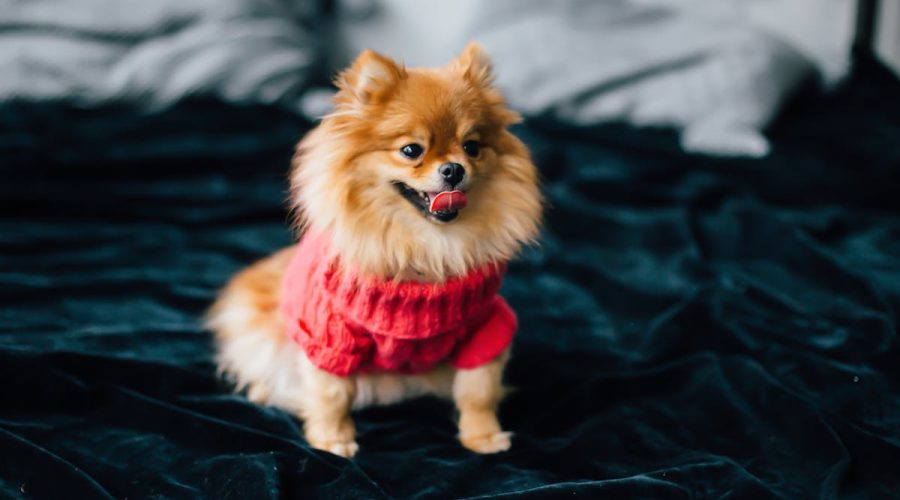
Bringing home a puppy is one of life’s happiest milestones. The excitement, the tiny paws, the playful energy, it is easy to fall in love instantly. However, emotions can sometimes cloud judgment. That is why understanding puppy buying red flags is essential before making such an important decision.
A puppy is not just a purchase. It is a commitment that can last 10 to 15 years or more. Spotting warning signs early can save you from heartache, unexpected veterinary bills, and behavioral challenges. Let us walk through the most critical red flags so you can make a confident and responsible choice.
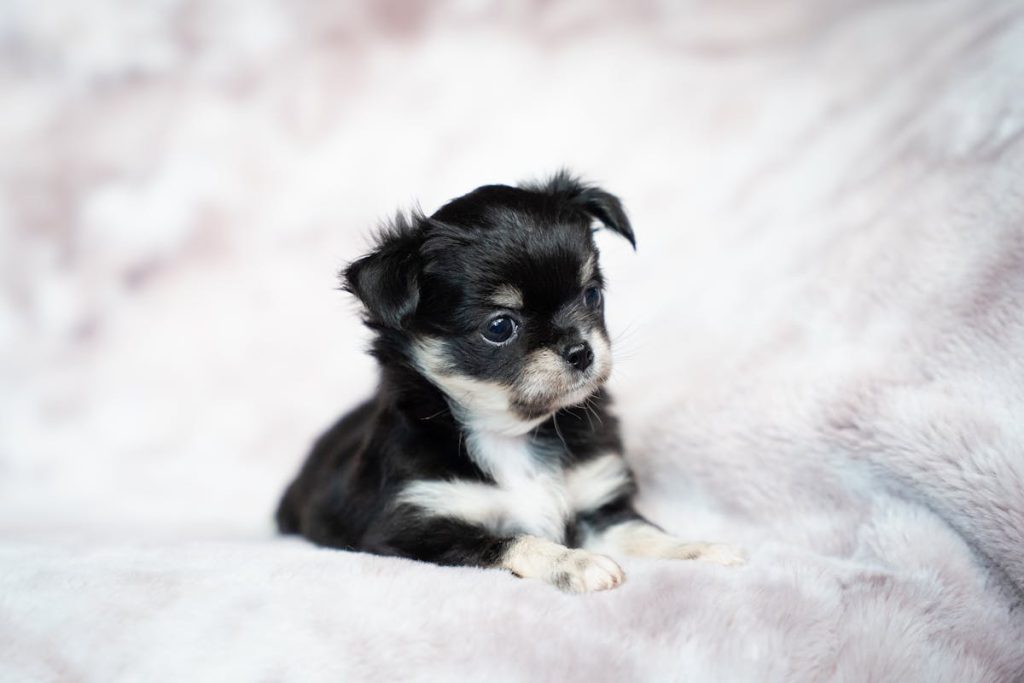
An unhealthy or poorly bred puppy can introduce stress into your household. Illness, aggression, or anxiety issues often stem from irresponsible breeding or improper early care.
Many hereditary diseases do not appear immediately. Without proper screening and ethical breeding, your puppy may face chronic health problems. Recognizing puppy buying red flags reduces the risk of lifelong complications.
The environment where a puppy is raised shapes its health and temperament. Clean surroundings, social interaction, and proper nutrition are essential during the first eight weeks.
If a seller insists on meeting in a parking lot or refuses home visits, consider that a major warning sign. Unsanitary conditions, overcrowding, or strong odors indicate neglect. Responsible breeders proudly show where their puppies are raised.
You should receive documentation of vaccinations, deworming, and veterinary checkups. If the seller cannot produce records, that is a serious red flag.
Reputable breeders conduct genetic testing for breed specific diseases. For example, large breeds may require hip evaluations, while smaller breeds might need eye screenings. Absence of these tests suggests irresponsible breeding practices.
If a breeder constantly has multiple litters available, this may indicate commercial scale breeding. Ethical breeders carefully plan litters and prioritize quality over quantity.
Responsible breeders often have waiting lists. They focus on health, temperament, and breed improvement rather than continuous production.
Puppies should stay with their mother and littermates until at least eight weeks of age. Early separation can harm emotional and behavioral development.
Puppies removed too soon may develop anxiety, poor bite inhibition, or social challenges. If a seller offers a six week old puppy, that is one of the most concerning puppy buying red flags.
Low prices often mean corners were cut. Poor nutrition, no veterinary care, or lack of genetic screening can result in expensive medical bills later.
Some scammers advertise purebred puppies at extremely low prices to attract quick deposits. Always verify the seller before transferring money.
Ethical breeders care deeply about where their puppies go. They will ask about your lifestyle, experience, and home environment.
If the seller seems uninterested in your suitability as an owner, they likely prioritize profit over the puppy’s well being.
Meeting the puppy’s mother provides insight into future behavior. A calm, friendly mother often produces stable puppies.
The physical condition of the mother reflects the breeder’s care standards. A thin, fearful, or unhealthy mother is a strong warning sign.
Healthy puppies are curious, playful, and responsive. Extreme shyness, aggression, or lethargy can signal deeper issues.
Watch for discharge from eyes or nose, coughing, bloated stomach, patchy fur, or signs of parasites. These symptoms should never be ignored.
Statements like “Other buyers are waiting” or “Pay now or lose the puppy” are common pressure tactics. Responsible breeders understand that buyers need time to decide.
Avoid sending money through unsecured payment apps or wire transfers. Always request a receipt and written agreement.
A professional breeder provides a written contract outlining health guarantees, return policies, and spay or neuter agreements if applicable.
A health guarantee shows the breeder stands behind their puppies. Without documentation, you have little protection if issues arise.
If the puppy is advertised as registered, verify the registration with the official organization. Papers should match the puppy’s details.
Be cautious of photocopied documents without verification numbers. Inconsistent information is a clear red flag.
Generic images that appear on multiple websites often indicate fraud. Ask for real time photos or video calls to confirm authenticity.
Request video proof, check reviews, and avoid sellers who refuse live interaction. Transparency is key.
Look for testimonials, long standing reputation, and transparent communication. A credible breeder will have a consistent presence and positive feedback.
Whenever possible, visit the breeder’s location. Observe cleanliness, socialization, and overall care. Trust your instincts. If something feels wrong, it probably is.
Buying a puppy should be joyful, not stressful. By recognizing puppy buying red flags, you protect yourself, your family, and most importantly, the puppy. Responsible breeders welcome questions, provide documentation, and prioritize the well being of their dogs.
Take your time. Do your research. Ask questions. A healthy, well raised puppy is worth the patience and effort. When you choose wisely, you are not just avoiding problems. You are setting the foundation for years of companionship, loyalty, and unconditional love.
One of the most serious warning signs is refusal to show the puppy’s living environment. Transparency is essential in responsible breeding.
It can be safe if the seller is verified, provides live video interaction, health records, and clear documentation. Avoid sellers who request fast deposits without proof.
Puppies should remain with their mother and littermates until at least eight weeks of age for proper development.
They want to ensure their puppies go to suitable homes. Screening buyers shows care and professionalism.
Not always, but extremely low prices often indicate lack of proper care, health testing, or even scams. Always investigate thoroughly before committing.
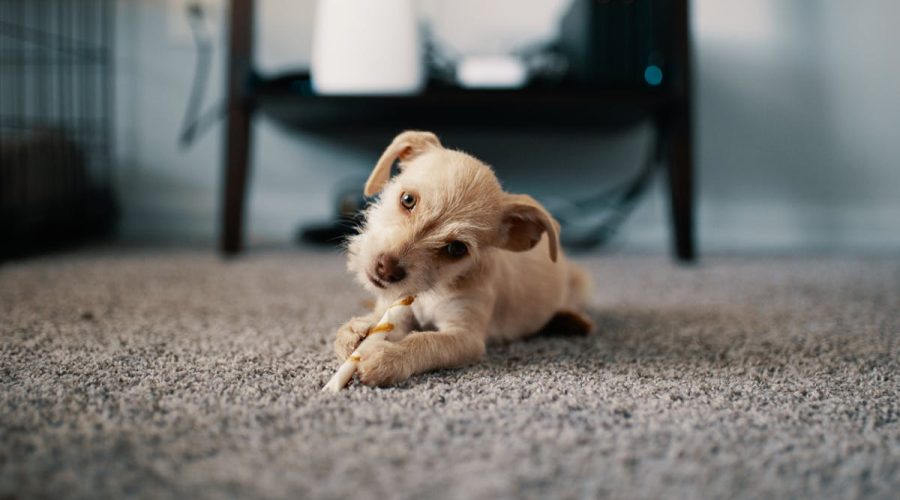
Few things worry pet parents more than seeing a full bowl of untouched food. One day your puppy eats like a champion, and the next day they turn their nose up as if the food offended them. If you’re searching for answers about puppy not eating, you’re not alone.
A puppy refusing food can be frustrating, confusing, and sometimes scary. Is it just picky behavior? Or is something wrong? The truth is, puppies stop eating for many different reasons—some harmless, others serious.
This guide will help you understand why your puppy isn’t eating, what you can do at home, and when it’s time to call the vet.
Puppies grow fast and burn energy quickly. That means they usually eat more often than adult dogs.
Most puppies need:
However, appetite can change daily depending on:
Small breeds may eat tiny amounts but frequently, while large breeds consume bigger portions. Teething puppies often eat less because chewing hurts. Adolescence (around 6–9 months) can also cause appetite shifts.
A skipped meal once in a while is normal. Refusing food for more than 24 hours is not.
Learn more about Choosing the right food for your dog breed! Not all dog foods are the same.
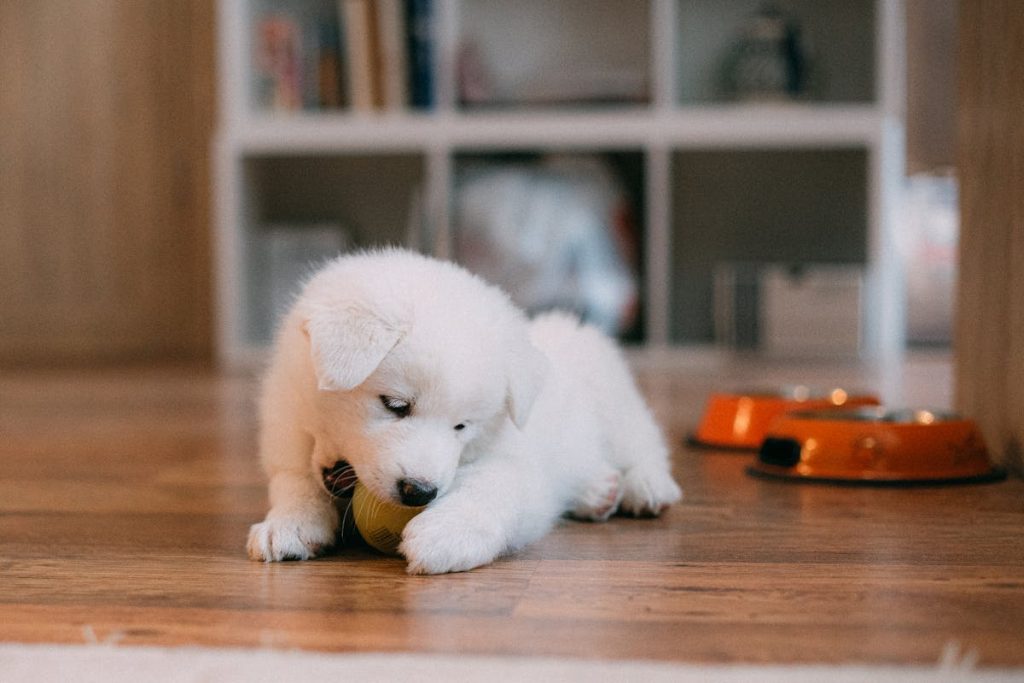
Understanding the cause helps you choose the right solution.
Moving to a new home, meeting new people, or even rearranging furniture can stress a puppy. Stress affects appetite just like it does in humans.
A puppy in a new environment may refuse food for 1–2 days while adjusting.
Teething can make chewing painful. Hard kibble feels like biting rocks when gums are sore. Puppies may avoid food until discomfort improves.
Loss of appetite is often the first sign of illness. Infections, fever, stomach problems, or injuries can all make a puppy stop eating.
Worms can steal nutrients from your puppy and cause nausea. This leads to reduced appetite and weight loss.
Some puppies feel tired or slightly sick after vaccines. Skipping a meal for a day afterward is common.
Too many treats can spoil dinner. Puppies are smart—they hold out for tastier snacks if they know they’ll get them.
Dogs can get bored of the same flavor. If you constantly change food, your puppy may learn to wait for something better.
Hot weather reduces appetite. Puppies eat less when temperatures rise, just like people do.
A puppy not eating becomes serious when combined with other symptoms.
If your puppy is unusually tired, hides, or refuses to play, it could signal illness.
Digestive issues with loss of appetite may indicate infection or parasites.
Visible ribs or rapid weight drop is a red flag.
If these signs appear, seek veterinary help immediately.
Now let’s talk solutions.
Make sure the food:
Sometimes food goes stale without us noticing.
Feed your puppy in a quiet place away from noise, children, or other pets. Stress can kill appetite.
Put food down for 15–20 minutes. If they don’t eat, remove it. Offer food again at the next meal.
This teaches your puppy that meals happen on schedule—not whenever they feel like it.
Dogs thrive on routine. Same time, same place, same bowl.
Warm food releases aroma, making it more appealing. Just make sure it’s not hot.
Small additions can tempt appetite:
Do not turn this into a habit of constant upgrades.
Hand feeding can help nervous puppies eat. But use it short-term to avoid dependency.
If your puppy isn’t eating, make sure they’re drinking water. Dehydration is dangerous.
Gentle on the stomach and easy to chew.
Great for digestion and fiber.
Helps gut bacteria but only in small amounts.
This can cause fear and choking.
Switching food daily creates picky eaters.
Pizza, fries, or sweets harm digestion and nutrition.
Feed at the same time daily. Avoid free-feeding.
Choose high-quality puppy food with proper protein and nutrients.
Routine checks catch problems early.
Contact your vet if:
Better safe than sorry.
Many people believe puppies will starve themselves if picky. In reality, healthy puppies usually eat when hungry—but illness can change that.
Another myth is that hand feeding is harmless. Over time, it creates dependency.
Ignoring appetite issues can lead to:
Good eating habits now build a healthy adult dog.
A puppy refusing food can feel like a crisis, but it doesn’t always mean something serious. Stress, teething, routine changes, and minor discomfort can all cause appetite loss. Understanding why your puppy not eating is happening allows you to respond calmly and wisely.
Create a routine, offer healthy food, avoid bad habits, and watch for warning signs. With patience and consistency, most puppies return to normal eating quickly.
Your puppy depends on you not just for food, but for reassurance and structure. A calm approach today builds a healthier dog tomorrow.
1. How long can a puppy go without eating?
Young puppies should not skip more than 24 hours. Older puppies can go 48 hours, but vet advice is recommended.
2. Is it normal for puppies to skip meals during teething?
Yes, sore gums can reduce appetite temporarily.
3. Can stress cause a puppy to stop eating?
Absolutely. New environments and changes commonly affect appetite.
4. Should I change food if my puppy won’t eat?
Only after checking with a vet and transitioning slowly.
5. When should I worry about my puppy not eating?
If refusal lasts more than a day with other symptoms like lethargy, vomiting, or diarrhea.
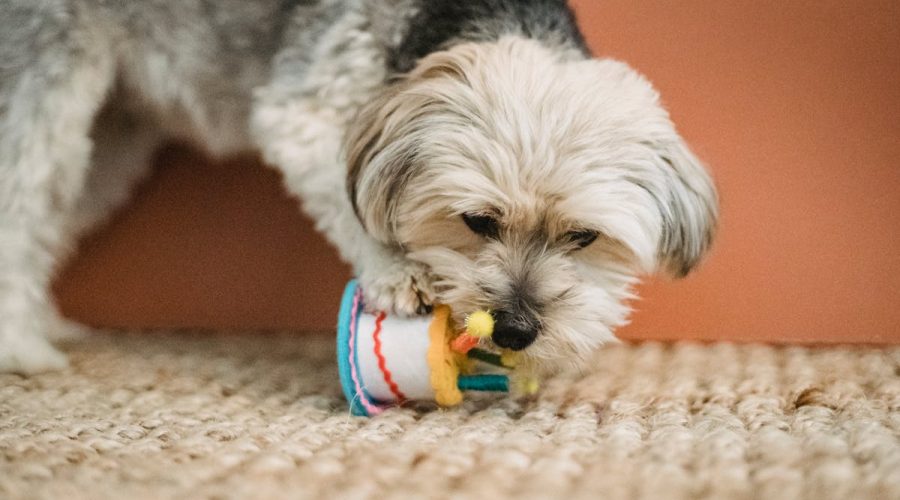
Rainy days can feel cozy for humans. You grab a warm drink, curl up on the couch, and enjoy the sound of rain tapping on the window.
But for puppies? Rainy days can feel like a disaster.
Your energetic little furball still wants to run, jump, play, and explore. When outdoor walks get cut short, all that puppy energy has to go somewhere, and usually, it ends up in chewing your shoes or racing around the living room like a tiny tornado.
That’s why having fun indoor puppy activities ready is the secret to keeping your pup happy, busy, and out of trouble when the weather won’t cooperate.
Let’s dive into the best ways to turn rainy days into playful indoor adventures.
Just because it’s raining outside doesn’t mean your puppy suddenly stops needing activity.
Puppies have growing bodies and endless energy. Without daily movement, they can become restless, frustrated, and even anxious.
Even short bursts of indoor exercise can help burn off that extra excitement.
A bored puppy is like a bored toddler. They will find something to do, and it’s usually something you don’t want them doing.
Common rainy-day boredom behaviors include:
Indoor puppy activities keep their minds busy and their paws occupied.
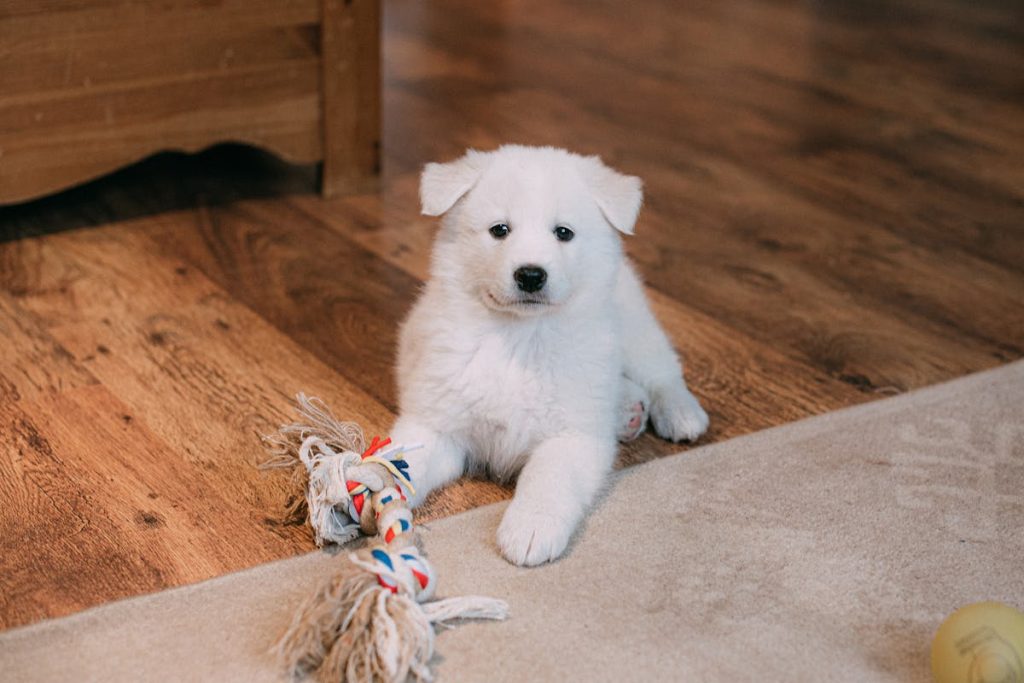
Physical exercise is great, but mental exercise is just as important.
Think of your puppy’s brain like a sponge. They’re constantly learning, exploring, and soaking up information.
Activities that challenge their thinking help tire them out faster than running alone.
Indoor playtime is also bonding time.
When you play games, train, or cuddle with your puppy, you build trust and connection. Rainy days become less of a limitation and more of an opportunity to grow closer.
Learn How to Keep Your Puppy Cozy and Active This Winter: Tips for Warmth and Indoor Fun
Before starting any indoor puppy activities, make sure the environment is safe.
Puppies can get overly excited indoors, so remove anything breakable or dangerous.
Quick checklist:
A safe space means stress-free fun.
Now for the good stuff. These are the most fun, effective, and puppy-approved indoor activities.
Fetch isn’t just for the backyard.
Use a soft ball or plush toy and toss it gently down a hallway or across the living room.
Why it works:
Just keep throws low to avoid accidents.
Tug-of-war is one of the easiest indoor puppy activities.
All you need is a sturdy rope toy.
Benefits:
Tip: Teach your puppy “drop it” so the game stays safe and controlled.
This game is adorable and mentally stimulating.
How to play:
It’s like a rainy-day treasure hunt with their favorite person.
Puzzle toys are lifesavers for rainy days.
These toys make puppies work for treats, which keeps them focused and entertained.
Examples include:
Mental effort = one tired puppy.
Rainy days are perfect for short training sessions.
Keep it fun and reward-based.
Practice commands like:
Training is one of the best indoor puppy activities because it builds good behavior while using brainpower.
Turn your living room into a puppy playground.
Use household items like:
Keep it gentle and safe, especially for young puppies with developing joints.
This is like puppy agility, but indoors.
Dogs experience the world through smell.
Scent games are incredibly calming and enriching.
Try this:
Scent work is one of the most effective indoor puppy activities for mental exhaustion.
Rainy days are a great time for family bonding.
Kids and adults can take turns playing:
Just supervise to ensure play stays calm and safe.
Not every rainy day activity needs to be high-energy.
Sometimes, calming indoor options are best.
Chewing is soothing for puppies, especially during teething.
Offer safe chew options like:
Chewing helps relieve stress and prevents destructive habits.
Yes, puppies love gentle massages.
Sit with your pup, stroke their back, and speak softly. It helps them relax and builds trust.
Rainy days can be a perfect time for calm cuddles.
Indoor play should be controlled.
Avoid overly rough wrestling or games that encourage biting.
Keep activities structured and reward calm behavior.
Puppies need lots of sleep, often 18 to 20 hours a day.
If your puppy gets cranky or bitey, they may be overtired.
Balance play with naps.
Rainy days don’t have to mean bored puppies and chewed-up furniture.
With the right indoor puppy activities, you can keep your pup mentally stimulated, physically active, and emotionally happy, even when the weather outside is gloomy.
From indoor fetch and tug games to puzzle toys and scent work, there are endless ways to make your home a fun puppy playground.
The rain may fall, but your puppy’s tail will still wag.
Indoor fetch, tug-of-war, puzzle toys, and scent games are some of the best ways to keep puppies busy indoors.
Provide mental stimulation with training sessions, treat puzzles, and interactive games like hide-and-seek.
Yes, short play sessions combined with mental activities can provide plenty of exercise when outdoor walks aren’t possible.
Yes, as long as they are gentle, low-impact, and supervised. Avoid high jumps for young puppies.
Chew toys, frozen Kongs, and snuffle mats are great for calming puppies while keeping them engaged.

516 Columbia Blvd
Sonoma, CA 21202

Office: 772-619-6309
Inquiries: 772-619-6432

Mon - Fri: 9am - 8pm
Sat - Sun: Closed