984-489-7877
Call us today

984-489-7877
Call us today

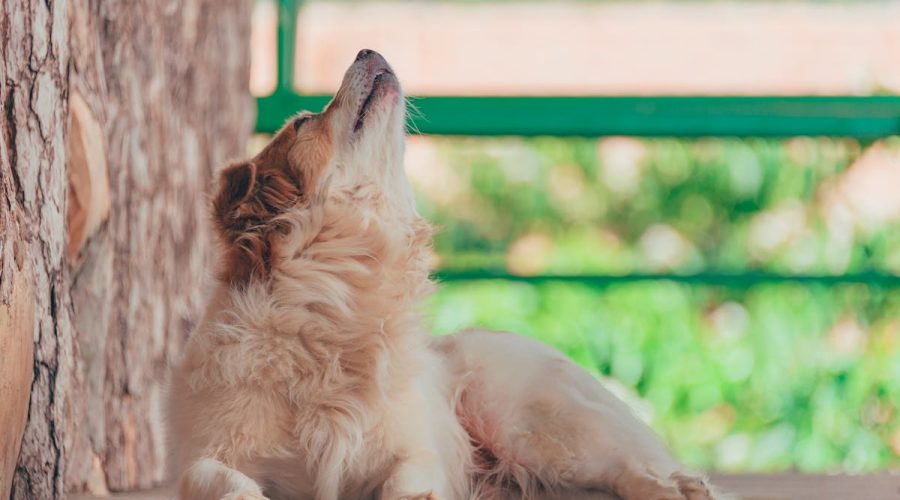
Howling is one of the most distinctive vocalizations puppies make. Unlike barking or whining, howling tends to be longer and more melodic, often triggered by instinct, environmental cues, or emotional needs. It is a natural behavior inherited from wolves, a way to communicate with others over distances. While it may sound alarming to new owners, it usually signals that your puppy is trying to express something important, whether it’s joy, stress, or a simple request for attention.
It’s essential to distinguish howling from other vocal behaviors. Barking is short, sharp, and usually alerts to stimuli, while whining is high-pitched and often reflects discomfort or desire. Howling, on the other hand, carries a more extended tone and often occurs in response to specific triggers. Recognizing this difference helps you respond appropriately without inadvertently reinforcing unwanted behaviors.

One of the most common reasons puppies howl is separation anxiety. When left alone, puppies can feel stressed or insecure, leading them to howl as a way to express distress. This behavior is not just attention-seeking—it is an instinctual reaction to being isolated from their “pack.” Puppies experiencing separation anxiety may also engage in destructive behavior or excessive barking. Recognizing this early and gradually training your puppy to tolerate alone time can significantly reduce howling.
Puppies quickly learn that vocalizations get reactions from their owners. If your puppy howls every time you walk past or enter a room, it’s often a bid for attention. While it’s natural to respond to a young dog, over time this can become habitual. The key is to provide attention on your terms rather than immediately responding every time your puppy howls.
Howling can also indicate a physical need, such as hunger or thirst. Puppies have limited ways of expressing discomfort, so vocalizations become their tool to signal you. If your puppy howls around mealtime or after long periods without water, it’s often a simple request for care. Ensuring a consistent feeding and watering schedule helps prevent unnecessary howling for basic needs.
Puppies are naturally social and active animals. Long periods of isolation or lack of stimulation can lead to howling out of boredom or loneliness. Interactive toys, puzzle feeders, and short training sessions help occupy their mind and reduce vocalizations that stem from inactivity or restlessness.
Environmental factors, such as loud noises, new people, or sudden changes, can trigger stress-related howling. Puppies may howl when startled or when they encounter situations they perceive as threatening. Observing their body language—like crouched posture, tucked tail, or wide eyes—can help you address stress before it escalates into chronic vocalization.
Some puppies howl in response to external stimuli, such as sirens, musical instruments, or other dogs. This behavior is instinctual and often mimics the long-distance communication methods of wild ancestors. While it can be startling, this type of howling is usually harmless and may even be a sign of healthy social behavior.
Certain breeds are more predisposed to howling. Huskies, Beagles, and Malamutes are well-known for their vocal tendencies. This trait is rooted in their ancestral communication methods, which were essential for pack coordination and hunting.
Breed tendencies influence not only the frequency of howling but also the pitch and intensity. Understanding these tendencies helps owners set realistic expectations and adapt training strategies accordingly. Breeds with strong vocal instincts often respond better to structured training combined with mental stimulation to prevent excessive howling.
Unexplained howling may indicate that your puppy is in pain. Puppies cannot verbalize discomfort, so howling becomes their primary communication. Signs to watch for include limping, reluctance to move, or changes in appetite. Prompt veterinary attention ensures any medical issues are addressed quickly.
Certain medical conditions, including ear infections, digestive discomfort, or neurological issues, can trigger persistent howling. If your puppy’s howling is sudden, unusual, or accompanied by other symptoms, a vet check is essential to rule out health problems.
React calmly to your puppy’s howling. Reinforce desired behavior with treats, praise, or gentle attention when they are quiet. Avoid yelling, which can increase anxiety and exacerbate howling.
Consistency is key. Respond selectively so your puppy does not learn that howling automatically produces attention. This approach reduces the likelihood of long-term behavioral issues.
Training exercises, such as gradual alone-time practice and positive reinforcement, teach your puppy that being quiet and independent is safe and rewarding. Over time, these strategies help manage howling without stress.
Puppies thrive on predictability. Feeding, walking, and training on a set schedule reduces anxiety-driven howling and helps them understand daily expectations.
Puzzle toys, training sessions, and short play periods keep your puppy engaged, minimizing boredom-related howling.
Slowly increase the duration your puppy spends alone to reduce separation anxiety. Start with a few minutes and progressively extend the time while offering positive reinforcement.
If your puppy’s howling is persistent, extreme, or accompanied by other behavioral or health issues, professional intervention may be necessary. Veterinarians or certified dog trainers can provide tailored strategies to address underlying problems effectively.
Puppy howling is a natural form of communication, but it can be managed with understanding, training, and routine. By recognizing the reasons behind the howling, responding appropriately, and providing structured stimulation, you can reduce excessive vocalization while maintaining a happy, confident, and healthy puppy. Every howl is a message—learning to decode it strengthens your bond and makes caring for your puppy more rewarding.
1. Why does my puppy howl when left alone?
It’s usually separation anxiety or boredom. Gradual alone-time training helps them adjust.
2. Are some breeds more prone to howling than others?
Yes. Huskies, Beagles, and Malamutes are naturally more vocal due to their genetic traits.
3. How can I tell if howling is due to pain?
Look for other signs like limping, reluctance to move, or changes in appetite and behavior.
4. Can training completely stop a puppy from howling?
Training reduces excessive howling but cannot eliminate natural communication instincts, especially in vocal breeds.
5. Should I respond every time my puppy howls?
No. Respond selectively to avoid reinforcing attention-seeking howling.
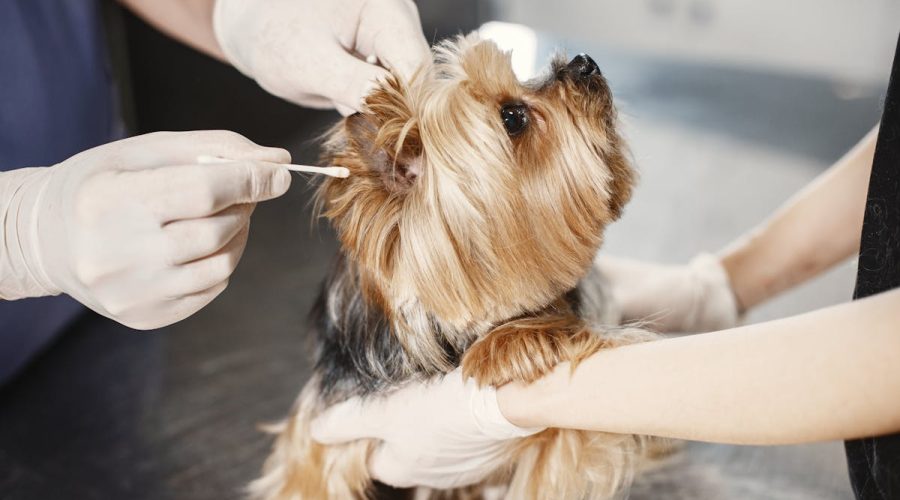
Maintaining proper ear hygiene is an essential part of overall pet care, yet many dog owners overlook it. Dog ear cleaning helps remove dirt, wax, and debris that can accumulate inside the ear canal over time. When these substances build up, they create a warm and moist environment that allows bacteria and yeast to grow. This can lead to infections, discomfort, and even long-term ear problems if left untreated.
Dogs explore the world using their senses, and their ears are especially important for communication and awareness. Healthy ears allow dogs to hear clearly and respond to sounds around them.
Dogs can develop several ear issues if their ears are not cleaned or monitored regularly. One of the most common problems is ear infections. These infections often occur when bacteria or yeast grow in the moist environment of the ear canal. Symptoms may include redness, swelling, unpleasant odor, or discharge.
Another issue is excessive wax buildup. While a small amount of wax is normal, too much can trap dirt and lead to irritation. Dogs with floppy ears are especially prone to wax buildup because air circulation inside their ears is limited.
One of the clearest indicators that your dog may need ear care is visible dirt or wax in the ear canal. When you gently lift your dog’s ear flap and look inside, the ear should appear clean and light pink. Small amounts of wax are normal, but thick or dark buildup can signal the need for cleaning.
Excessive wax can trap bacteria and cause irritation if left untreated. Over time, this buildup may also produce an unpleasant odor. When you notice these signs, it is usually a good time to perform dog ear cleaning to restore proper hygiene.
Dogs often communicate discomfort through their behavior. If your dog frequently scratches its ears or shakes its head, this may indicate irritation inside the ear canal. While occasional scratching is normal, repeated scratching can signal a buildup of wax, debris, or infection.
Head shaking is another common symptom. Dogs may shake their heads to relieve pressure or discomfort in their ears. If this behavior occurs regularly, inspecting the ears for redness, swelling, or dirt can help determine whether cleaning is needed.
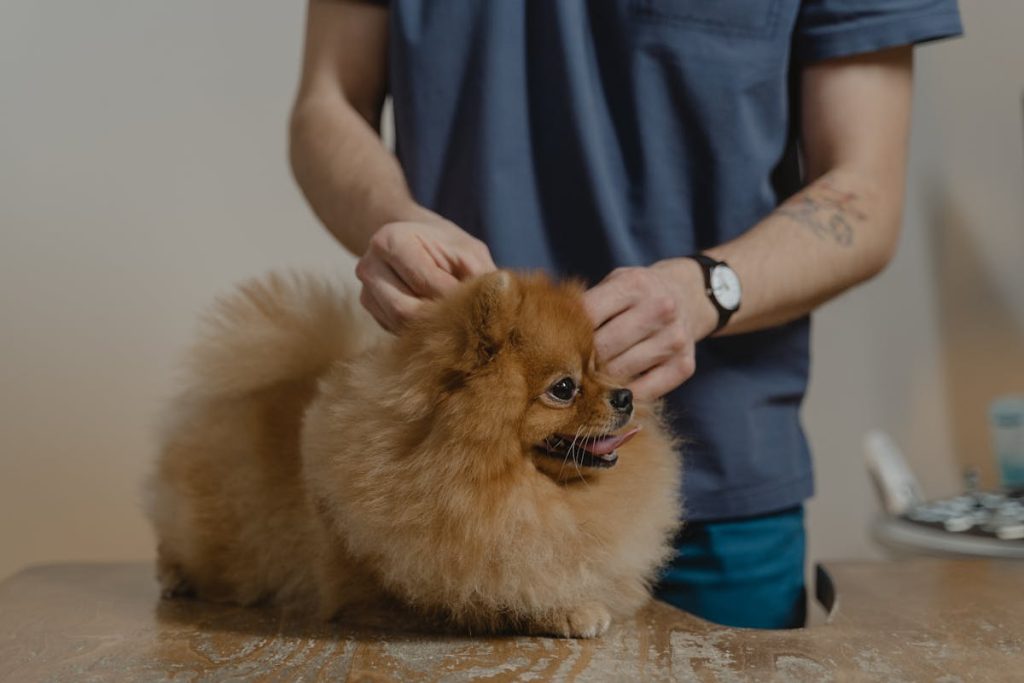
The ideal cleaning schedule varies depending on the dog’s breed, lifestyle, and ear structure. Some dogs require frequent ear cleaning, while others may need it only occasionally. Dogs with long or floppy ears, such as Cocker Spaniels or Basset Hounds, often need more regular care because their ear canals retain moisture more easily.
Active dogs that swim frequently or spend time outdoors may also require more frequent dog ear cleaning. Water and dirt can accumulate inside the ears during these activities, increasing the risk of infections. In contrast, dogs with upright ears and minimal wax buildup may only need occasional cleaning.
Veterinarians often recommend checking your dog’s ears weekly. This routine inspection helps identify any buildup or irritation early. Cleaning should be done only when necessary, as excessive cleaning can disrupt the natural balance of the ear canal.
Before beginning the cleaning process, it is important to gather the right supplies. Using proper tools ensures that the cleaning process is safe and comfortable for your dog. Essential items for dog ear cleaning include a veterinarian-approved ear cleaning solution, cotton balls or gauze pads, and treats for positive reinforcement.
Ear cleaning solutions are specifically designed to break down wax and remove debris without harming the delicate ear canal. Cotton balls are ideal for gently wiping away dirt and excess liquid. Avoid using cotton swabs, as they can push debris deeper into the ear and potentially cause injury.
Having treats available during the process can help keep your dog calm and cooperative. Positive reinforcement encourages dogs to associate ear cleaning with a rewarding experience, making future sessions easier.
Preparation is an important step when performing dog ear cleaning. Start by choosing a quiet area where your dog feels comfortable. Sit beside your dog and gently hold the ear flap to expose the ear canal. Speaking calmly and offering treats can help your dog remain relaxed during the process.
If your dog is nervous, take a few moments to let them adjust before starting. Patience and reassurance go a long way in making the experience stress-free for both you and your pet.
Once your dog is calm, apply a few drops of the ear cleaning solution into the ear canal according to the product instructions. Gently massage the base of the ear for several seconds to allow the solution to loosen wax and debris.
After massaging the ear, allow your dog to shake its head. This natural movement helps bring loosened debris toward the outer ear. Use a cotton ball or gauze pad to gently wipe away the dirt and liquid from the ear opening. Repeat the process if necessary, but avoid inserting anything deep into the ear canal.
Using inappropriate tools is one of the most common mistakes dog owners make when cleaning their pet’s ears. Cotton swabs, for example, can push wax deeper into the ear canal and increase the risk of injury. Instead, soft cotton balls or gauze should be used to remove debris safely.
Although regular ear care is beneficial, excessive dog ear cleaning can irritate the ear canal. Over-cleaning may remove natural oils that protect the ear, leading to dryness and inflammation. Cleaning should only be done when visible buildup or odor is present.
Maintaining healthy ears requires consistent grooming and routine inspections. Checking your dog’s ears weekly allows you to identify early signs of dirt, redness, or irritation. Keeping the fur around the ears trimmed can also improve airflow and reduce moisture buildup.
Regular veterinary checkups are equally important. A veterinarian can examine the ears for hidden problems and provide guidance on proper ear care. By combining grooming, routine cleaning, and professional advice, dog owners can keep their pet’s ears healthy and comfortable.
Proper dog ear cleaning is an essential part of responsible pet care. Clean ears help prevent infections, reduce discomfort, and support your dog’s overall health. By recognizing signs that your dog needs ear care and using safe cleaning techniques, you can maintain healthy ears and avoid common problems.
Regular inspections, gentle cleaning, and attention to your dog’s behavior all contribute to effective ear care. With a consistent routine and the right approach, keeping your dog’s ears clean becomes a simple and beneficial habit.
Most dogs benefit from ear checks weekly, but cleaning should only be done when wax or debris is visible.
Plain water is not recommended because it can remain inside the ear canal and promote bacterial growth.
Yes, breeds with floppy ears often experience more ear issues due to limited airflow inside the ear canal.
Common signs include redness, strong odor, swelling, discharge, and frequent scratching.
If your dog shows signs of infection or severe discomfort, veterinary advice is recommended before cleaning.
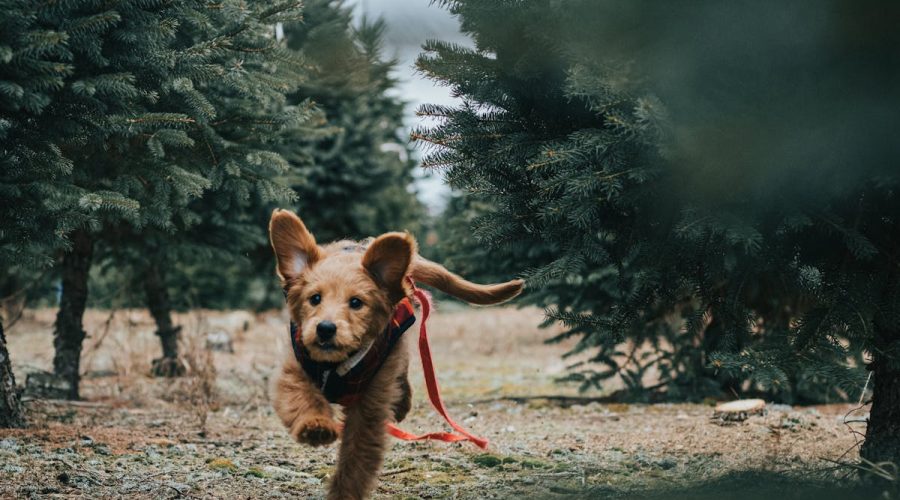
Taking your puppy on a hike is a wonderful way to bond, explore nature, and provide both physical and mental stimulation for your furry friend. However, hiking with a puppy comes with its own set of responsibilities and precautions. Puppies are still developing, both physically and behaviorally, and they need careful guidance to ensure a safe and enjoyable outdoor adventure. This guide provides essential safety tips for hiking with your puppy so that both you and your pet can enjoy the trail without stress or risk.
Hiking offers more than just exercise for your puppy. Regular outdoor adventures help improve your puppy’s stamina, strengthen muscles, and provide opportunities for socialization with other dogs and people. The fresh air, new scents, and varied terrain also stimulate your puppy’s mind, reducing boredom and preventing destructive behavior at home. Additionally, hiking can strengthen the bond between you and your puppy, as it requires communication, trust, and shared experiences.
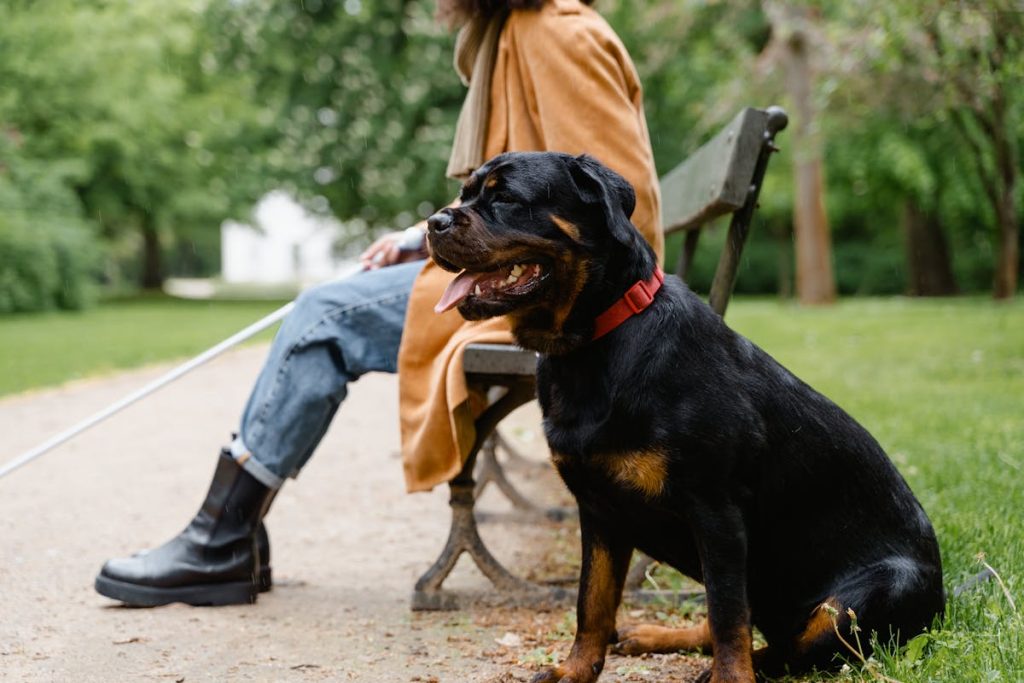
Before hitting the trail, it’s crucial to prepare your puppy properly. Start with short walks to build endurance and get your puppy accustomed to different surfaces like dirt, gravel, and grass. Make sure your puppy is comfortable walking on a leash and understands basic commands such as “come,” “sit,” and “stay.” Check with your veterinarian to confirm your puppy is up-to-date on vaccinations, flea, and tick prevention, as outdoor trails can expose them to parasites and infectious diseases.
Not every trail is suitable for puppies. When hiking with your puppy, select paths that are relatively flat, free of sharp rocks, and not overly long. Trails with moderate temperatures are ideal, as puppies can overheat quickly. Avoid busy trails with heavy foot traffic until your puppy becomes more confident and responsive to commands. Additionally, consider the presence of wildlife, steep drops, or water hazards, as these can pose dangers to inexperienced hikers.
Having the right gear makes the hike safer and more comfortable for your puppy. A well-fitted harness is preferable to a collar, as it reduces strain on your puppy’s neck and allows better control. Always bring a leash, even on trails where dogs are allowed off-leash, for added safety. Pack a collapsible water bowl and plenty of fresh water, snacks for energy, and a basic first-aid kit including styptic powder in case of minor cuts or scrapes. Puppy booties are optional but can protect paws from rough terrain or hot surfaces.
Puppies tire quickly, especially in warm weather or on uneven terrain. Plan regular rest breaks every 15–30 minutes depending on your puppy’s size and age. Offer water frequently to prevent dehydration. Observe your puppy for signs of fatigue, such as slowing down, heavy panting, or sitting down repeatedly. Never force your puppy to keep going if they appear exhausted, as overexertion can cause joint or muscle issues.
Trails may seem safe, but hidden hazards can cause injuries to your puppy. Sharp rocks, thorns, broken glass, and exposed tree roots can cut paws, while steep inclines may lead to slips or falls. Be cautious around wildlife such as snakes, porcupines, or aggressive animals. Avoid letting your puppy eat unknown plants or fungi, as some can be toxic. Being vigilant and proactive helps prevent accidents before they happen.
Pay attention to your puppy’s behavior during the hike. Puppies are naturally curious and may wander off or chase after small animals. Keeping your puppy on a leash and maintaining consistent training commands ensures they stay safe. Positive reinforcement, like treats and praise, encourages desired behavior. Watch for signs of stress, such as whining, excessive panting, or hiding. If your puppy becomes anxious, take a break or consider turning back.
Puppies are more sensitive to extreme temperatures than adult dogs. In hot weather, avoid hiking during midday and choose shaded trails. In cold weather, monitor for signs of discomfort or hypothermia. A lightweight dog jacket can help small or short-haired puppies stay warm in chilly conditions. Always check the forecast and plan hikes during safe, moderate weather conditions.
Being a responsible dog owner includes following proper trail etiquette. Keep your puppy on a leash where required, pick up waste, and be respectful of other hikers and their pets. Avoid overcrowding trails with too many puppies, as this can cause stress for your puppy and other animals. By respecting the environment and other hikers, you create a safe and pleasant hiking experience for everyone.
Even with precautions, minor injuries can happen. Carry a small first-aid kit including bandages, antiseptic wipes, tweezers for removing splinters or ticks, and styptic powder for nail or paw injuries. Knowing basic puppy first-aid techniques allows you to respond quickly and keep your puppy safe until professional care is available.
It’s important to know when to end a hike early to protect your puppy. Signs such as excessive panting, limping, coughing, vomiting, or lethargy indicate your puppy may be stressed, injured, or overheated. Ignoring these signs can lead to serious health issues. Always prioritize your puppy’s safety over completing the trail.
Hiking should be a fun bonding activity. Incorporate short play breaks, gentle training sessions, and plenty of praise to make the experience enjoyable. Bring favorite toys or balls for short fetch sessions in safe areas. Positive experiences help your puppy associate hiking with fun and encourage future outdoor adventures.
Start with short, easy trails and gradually increase distance and difficulty as your puppy grows and becomes more experienced. Puppies’ joints and muscles are still developing, so avoid overexertion. Slow, consistent exposure to new trails builds stamina and confidence while preventing injuries.
Hiking offers physical exercise, mental stimulation, and behavioral enrichment. Puppies exposed to nature learn to adapt to different surfaces, sounds, and smells. The combination of physical exertion and mental challenges helps reduce hyperactivity at home and improves overall well-being. Regular hikes also reinforce leash training and obedience in real-world situations.
For longer hikes or overnight trips, plan carefully. Ensure you have enough water, food, bedding, and safety gear. Research trails for pet regulations, terrain difficulty, and emergency access. Pre-trip training with overnight stays can help your puppy adapt to multi-day adventures comfortably.
After each hike, inspect your puppy for ticks, burrs, cuts, or irritations. Wash paws and fur to remove dirt, mud, or allergens. Proper post-hike care reduces the risk of infection and keeps your puppy healthy. Rewarding your puppy with treats or play reinforces positive behavior and ends the hike on a high note.
1. At what age can I start hiking with my puppy?
Most puppies can start short, easy hikes after their vaccinations are complete, usually around 12–16 weeks.
2. How far should I hike with a puppy?
Start with 15–30 minute walks or short trails. Gradually increase distance as your puppy grows and gains endurance.
3. Should puppies wear booties on hikes?
Puppy booties are optional but useful on rough, rocky, hot, or icy trails to protect sensitive paws.
4. How do I prevent my puppy from overheating?
Hike during cooler hours, bring plenty of water, provide rest breaks, and watch for excessive panting.
5. Can hiking help with puppy behavior problems?
Yes, regular hikes provide physical and mental stimulation, reducing hyperactivity, anxiety, and destructive behavior at home.

516 Columbia Blvd
Sonoma, CA 21202

Office: 772-619-6309
Inquiries: 772-619-6432

Mon - Fri: 9am - 8pm
Sat - Sun: Closed