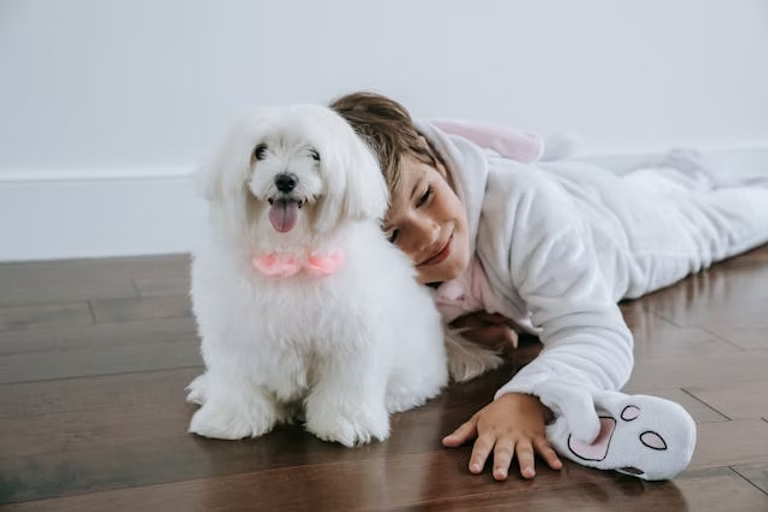
Congratulations! You’re about to welcome a tiny bundle of joy into your home – a charming Maltese puppy. Known for their dazzling white coats, expressive dark eyes, and playful yet gentle demeanor, Maltese puppies bring immense love and personality to any household.
Before Your Maltese Puppy Arrives: Setting Up for Success
Miniature Puppy-Proof Your Home
Secure Hazardous Items: Store all cleaning supplies, medications, toxic plants (lilies, sago palm, etc.), and human foods (especially chocolate, grapes, onions, xylitol) securely out of reach. Remember, even a small amount can be dangerous for such a tiny dog.
Hide Electrical Cords: Exposed cords are a severe electrocution risk. Use cord protectors or tuck them completely away.
Remove Choking Hazards: Any small object – coins, batteries, tiny toys, buttons, even loose threads – can be a choking hazard. Scan floors meticulously.
Block Off No-Go Zones: Use sturdy baby gates to prevent access to stairs, areas with delicate items, or rooms with heavy furniture that could fall.
Beware of Gaps: Check under furniture, behind appliances, and in tight spaces where a tiny puppy could get stuck or lost.
Designate a “Puppy Zone”: Choose a quiet, safe, and easily cleanable area (like a kitchen or a section of a living room) where your puppy can spend time supervised and feel secure. This should be free from drafts and high traffic.
Essential Supplies Shopping List
Food:
High-Quality Puppy Kibble: Ask your breeder what food the puppy is currently eating and stick with it for the first few weeks to avoid digestive upset. Look for formulas specifically designed for small breeds.
Food and Water Bowls: Small, shallow stainless steel or ceramic bowls are best. Elevated bowls can also be helpful.
Sleeping & Comfort:
Small Crate: A appropriately-sized crate is crucial for potty training and providing a safe den. It should be just big enough for them to stand, turn around, and lie down comfortably.
Soft, Plush Bed/Crate Pad: Something very comfortable, washable, and warm.
Tiny Warm Blanket: Maltese puppies can get cold easily.
Potty Training Aids:
Enzyme Cleaner: For inevitable accidents. This is indispensable for odor removal.
Puppy Training Pads: Often a good initial solution for Maltese due to their small bladders and cold/rain sensitivity, but aim to transition outdoors.
Waste Bags: For walks and backyard clean-up.
Grooming Supplies (Crucial for Maltese!):
Pin Brush & Metal Comb: Essential for daily brushing to prevent mats.
Slicker Brush (small size): For fluffing and detangling.
Puppy Shampoo & Conditioner: Tear-free, gentle formula for white coats.
Face Comb/Tear Stain Remover: To address tear staining around their eyes.
Small Nail Clippers (Guillotine or Scissor style): Or a Dremel tool.
Ear Cleaner & Cotton Balls: For regular ear hygiene.
Dog-Safe Toothbrush and Toothpaste: Dental care is paramount for small breeds prone to dental issues.
Small Scissors (blunt-nosed): For trimming hair around eyes and paws.
Grooming Spray/Conditioning Spray: To use while brushing to protect the coat.
Leash & Collar/Harness:
Lightweight, Narrow Collar: Ensure a snug but comfortable fit (two fingers should fit easily).
Very Small Harness: Highly recommended for Maltese to avoid putting pressure on their delicate tracheas.
Lightweight Leash (4-6 foot): A simple nylon or leather leash.
Toys:
Tiny Chew Toys: Durable, puppy-safe chew toys scaled for their small mouths.
Soft Plush Toys: Small enough for them to carry and cuddle.
Interactive Toys: Small puzzle toys to stimulate their minds.
ID Tag: With your name and phone number, even if microchipped.
The First Few Days & Weeks: Establishing Routine and Bonding
The Grand Arrival
First Potty Break: As soon as you arrive home, carry your tiny puppy directly to their designated potty spot (either outdoors or on a puppy pad). Praise them enthusiastically when they go!
Introduce to Puppy Zone: Gently show them their crate, bed, and food/water bowls. Allow them to explore their safe space quietly.
Quiet Time: Resist the urge to overwhelm them with too many new people or too much handling immediately. Allow them to settle in peacefully.
Vet Appointment: Schedule a vet visit within the first 48-72 hours for a general health check, to discuss vaccination schedules, deworming, and parasite prevention. Bring any health records from the breeder. Discuss concerns like hypoglycemia (low blood sugar) which can affect tiny puppies.
Establish a Routine (Immediately!)
Feeding Schedule: Feed 3-4 times a day, according to your vet’s and food manufacturer’s guidelines for small breed puppies. Monitor for signs of hypoglycemia (lethargy, weakness, shivering) especially in very small puppies, and keep Karo syrup on hand as advised by your vet.
Potty Schedule: Take your puppy out very frequently: first thing in the morning, after waking from naps, after eating/drinking, before bedtime, and every 1-1.5 hours in between.
Playtime: Schedule short, gentle play sessions to burn off energy and bond.
Nap Times: Maltese puppies need a lot of sleep. Encourage naps in their crate or designated safe area.
Potty Training Essentials
Constant Supervision: Keep an eye on your puppy constantly. If you can’t, crate them or confine them to their puppy zone.
Praise and Reward: When they go potty in the right spot (whether outside or on a pad), give immediate verbal praise and a tiny, high-value treat.
Clean Accidents Thoroughly: Use an enzyme cleaner to eliminate odors that might attract them back to the same spot.
Learn the Cues: Watch for sniffing, circling, or heading towards the door – these are signs they need to go out!
Socialization and Training
Positive Exposure: Gently introduce your puppy to a variety of sights, sounds, smells, textures, and new, positive experiences. Avoid overwhelming them.
Small, Calm Introductions: Introduce them to calm, vaccinated dogs of appropriate size, and gentle, quiet people.
Start Basic Commands: Begin with “sit,” “stay,” and “come.” Keep sessions very short (2-5 minutes), fun, and positive with lots of praise and tiny treats.
Leash & Harness Training: Introduce the lightweight harness and leash for very short periods, making it a positive experience with treats.
Grooming Routine (A Maltese Priority!)
Daily Brushing: This is non-negotiable for a Maltese! Use a pin brush and metal comb to gently work through tangles and prevent mats, which can be painful. Mist their coat with a conditioning spray first to minimize breakage.
Face Cleaning: Gently clean around their eyes daily to prevent tear staining.
Paw Handling & Nail Trims: Gently touch their paws and practice nail clipping early and frequently.
Ear Cleaning: Check and gently clean their ears regularly (weekly) to prevent infections.
Dental Care: Start brushing their teeth daily as early as possible. Maltese are highly prone to dental disease.
Bathing: Bathe your Maltese puppy every 1-2 weeks with a gentle, whitening puppy shampoo and conditioner to keep their coat sparkling.
Long-Term Considerations for Your Maltese
Continued Training & Socialization: Lifelong learning and positive experiences keep them happy and well-behaved. Puppy classes are excellent for socialization and building confidence.
Regular Vet Check-ups: Stay up-to-date on vaccinations, preventative medications (flea, tick, heartworm), and annual health checks. Discuss common Maltese health concerns like luxating patella and dental disease with your vet.
Consistent Dental Care: Daily brushing is vital. Consider professional dental cleanings as recommended by your vet.
Proper Nutrition: As they grow, transition to an adult formula food suitable for small breeds.
Appropriate Exercise: Maltese have low exercise needs but enjoy daily short walks and indoor playtime. Mental stimulation is also important.
Love and Affection: Maltese are companion dogs through and through. They thrive on being with their people and can be prone to separation anxiety if left alone too often.