Key Takeaways
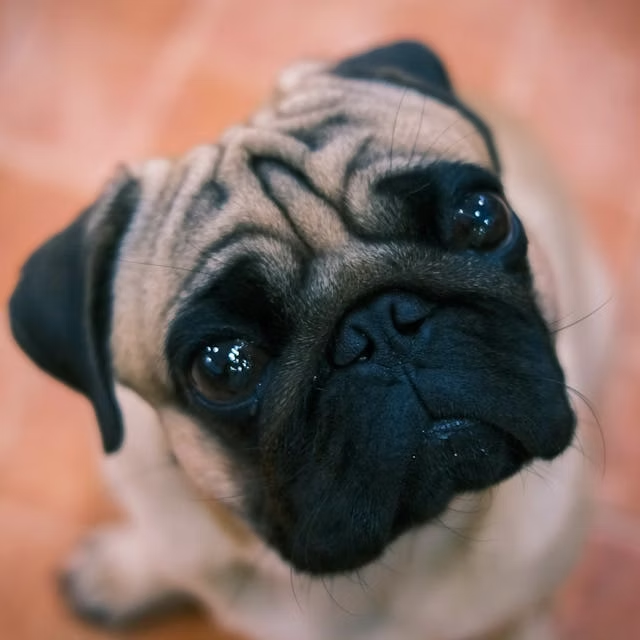
- Pugs are affectionate, playful, and make excellent companions.
- They require moderate exercise and a healthy diet to prevent obesity.
Regular grooming and health check-ups are necessary due to their unique physical characteristics.
Early training and socialization help in developing a well-behaved pug.
They are prone to respiratory and skin issues due to their facial structure.
Introduction
Understanding the Pug Personality
Affectionate: Pugs are extremely loyal and love to cuddle.
Playful: They have bursts of energy and enjoy playing but are not overly active.
Stubborn but Smart: Pugs can be a bit headstrong, making training a challenge, but with patience, they learn quickly.
Great with Families: They get along well with kids and other pets.
Preparing for Your Pug Puppy
Essential Supplies
Comfortable Bed & Crate – Helps them feel safe and secure.
Quality Dog Food – Pugs can gain weight easily, so choose a balanced diet.
Collar, Harness & Leash – A harness is better than a collar to prevent breathing issues.
Pug Health & Common Health Issues
Respiratory Issues – Due to their flat faces, pugs can overheat easily and have difficulty breathing in hot weather. Always provide a cool, well-ventilated environment.
Eye Problems – Their prominent eyes are vulnerable to injuries and infections. Keep them clean and protected from harsh environments.
Joint Problems – Pugs can develop hip dysplasia and other joint issues as they age. Provide a well-balanced diet and moderate exercise.
Feeding Your Pug Puppy
High-Quality Dog Food – Look for dog food with lean protein, healthy fats, and essential vitamins. Avoid fillers like corn and soy.
Healthy Treats – Instead of processed treats, offer carrot sticks, apple slices, or lean meats in moderation.
Grooming and Hygiene
Brushing – Brush your pug at least twice a week to reduce shedding.
Nail Trimming – Trim their nails every 2-3 weeks to prevent overgrowth.
Dental Care – Brush their teeth regularly to avoid dental diseases.
Training & Socialization
House Training – Pugs can be stubborn, so patience and consistency are key. Reward them with treats when they go potty outside.
Leash Training – Since pugs have delicate necks, use a harness instead of a collar for walks.
Exercise & Activity Needs
Daily Walks – Short, 20-minute walks twice a day are enough.
Avoid Overexertion – Because of their breathing difficulties, avoid intense exercise, especially in hot weather.