
984-489-7877
Call us today

984-489-7877
Call us today

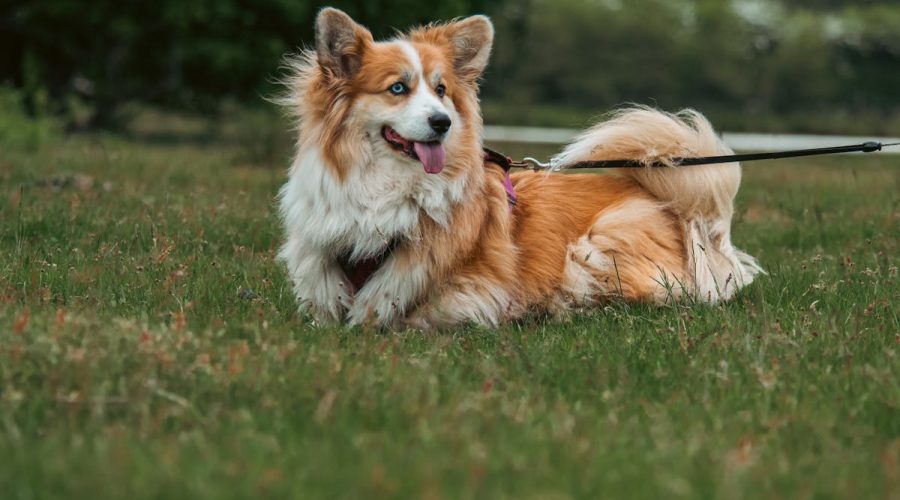
Congratulations on welcoming a Corgi into your home! These energetic, intelligent, and playful dogs bring joy and companionship, but their unique exercise needs require attention. Understanding how much physical and mental activity your Corgi requires ensures a happy, healthy, and well-behaved pup.
Corgis are small but mighty dogs. They have a herding background that gives them high energy and a love for activity. Regular exercise keeps them physically fit, mentally stimulated, and prevents common behavioral issues like excessive barking, chewing, and restlessness.
Corgis originated in Wales as herding dogs, specifically trained to herd cattle and sheep. There are two main types: Pembroke Welsh Corgis and Cardigan Welsh Corgis. Both types are intelligent, alert, and naturally active, traits that make exercise essential for their well-being.
Corgis have moderate to high energy levels. They are lively dogs that enjoy running, playing, and participating in mentally stimulating activities. Without regular exercise, they can become bored, anxious, or destructive.
Corgis are compact, muscular dogs with short legs. Their build makes them prone to joint issues like hip dysplasia and intervertebral disc disease, which should influence the type and intensity of exercise.
Maintaining a healthy weight is crucial. Extra pounds increase stress on their joints and can lead to long-term health problems. Controlled exercise helps prevent obesity and supports joint health.
Puppies require short bursts of activity throughout the day. Focus on playtime, gentle walks, and basic training exercises. Avoid strenuous activities that could strain their developing bones and joints.
Adult Corgis benefit from 1–2 hours of daily activity, combining walks, playtime, and mentally stimulating exercises. Consistency is key to keeping them happy and well-behaved.
Older Corgis may have reduced stamina. Low-impact activities like short walks, gentle play, and indoor games keep them active without stressing joints.
Aim for 60–120 minutes of exercise per day, divided into multiple sessions. Moderate-intensity activities like brisk walks or fetch are ideal.
Corgis are intelligent and thrive on mental challenges. Puzzle toys, treat-dispensing games, and problem-solving activities keep their minds sharp.
Incorporate short training sessions into daily routines. Teaching commands, tricks, and agility exercises engages their brain and body simultaneously.
Regular outdoor walks help burn energy and provide sensory stimulation. If your Corgi is healthy and conditioned, short jogs or hiking adventures are excellent options.
Dog parks allow safe interaction with other dogs, which supports socialization and provides high-energy playtime. Always monitor interactions to prevent overexertion.
Indoor fetch or tug games keep your Corgi active when outdoor options are limited. Interactive toys provide mental stimulation and physical movement.
Set up mini agility courses using household items. Crawling under chairs, jumping over cushions, and weaving through obstacles combines fun with exercise.
Avoid strenuous activity in hot or humid conditions. Corgis have thick coats and can overheat easily. Always provide fresh water and rest breaks.
Irregular exercise leads to pent-up energy, which can result in destructive behavior. A consistent routine is crucial for their mental and physical health.
Corgis prone to joint problems should have low-impact activities like walking or swimming. Always consult your vet if your dog shows signs of discomfort or fatigue.
Adjust exercise routines based on weather. Shorter sessions during hot summers and cold winters help prevent heatstroke or hypothermia.
Balance walks, playtime, and training exercises. Mental stimulation reduces boredom and enhances obedience.
Use treats, praise, and play to encourage exercise. Positive reinforcement strengthens the bond between you and your Corgi.
Observe your Corgi’s energy levels and adapt routines as needed. Every dog is unique, and flexibility ensures optimal health and happiness.
Corgis are energetic, intelligent, and loyal companions. Meeting their exercise needs is vital for physical health, mental stimulation, and overall happiness. By providing a mix of physical activity, mental challenges, and social interaction, you ensure your Corgi thrives in your home. Consistent routines, age-appropriate activities, and attention to health make every day enjoyable for both you and your furry friend.
1. How much exercise does a Corgi need daily?
Corgis need 60–120 minutes of combined physical and mental activity each day.
2. Can Corgis overheat during exercise?
Yes, their thick coats make them prone to overheating. Avoid hot, humid conditions and provide water breaks.
3. Are indoor exercises enough for Corgis?
Indoor exercises help, but outdoor walks and play are essential for full physical and mental stimulation.
4. What are signs my Corgi is under-exercised?
Restlessness, destructive behavior, excessive barking, and weight gain are common signs.
5. Can senior Corgis still be active?
Yes, but exercise should be low-impact, like gentle walks and light indoor games.
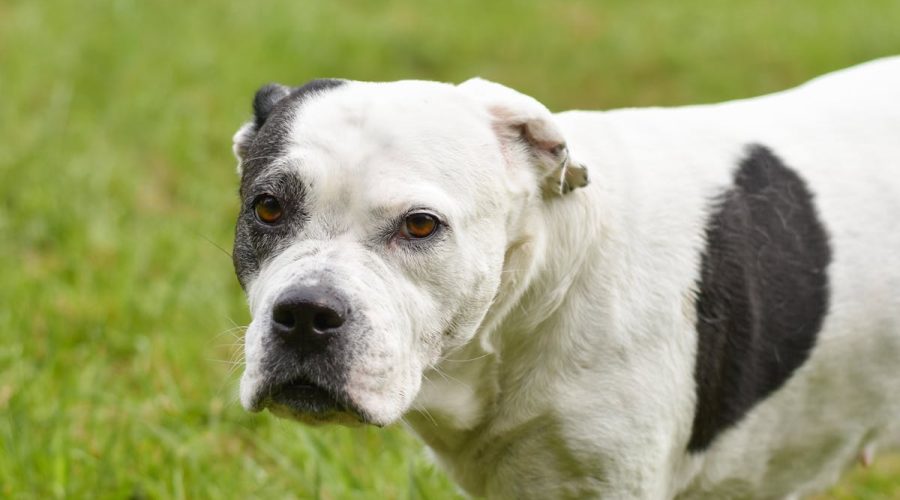
The Boxer is one of those dog breeds that leaves a lasting impression. Strong yet playful, protective yet affectionate, Boxers have a personality that fills the room. They are often described as eternal puppies because even as adults, they keep their goofy charm and boundless enthusiasm. If you have ever seen a Boxer wiggle with excitement, you already know they bring a unique energy into any home.
This guide dives deep into the Boxer dog breed, covering its history, personality, physical traits, care needs, and lifestyle compatibility. Whether you are considering bringing a Boxer into your life or simply want to learn more about this remarkable breed, this complete guide will give you a clear and honest picture.

Understanding a breed starts with knowing where it came from.
The Boxer originated in Germany during the late nineteenth century. Its ancestors include the now extinct Bullenbeisser, a powerful hunting dog used to catch large game such as boar and deer. These dogs were bred for strength, agility, and courage, traits that still define the modern Boxer.
Breeders later crossed the Bullenbeisser with English Bulldogs, refining the breed into a more compact and athletic dog. This combination resulted in a dog that was strong but also responsive and intelligent.
Boxers gained international recognition in the early twentieth century. They were used as working dogs during World War I, serving as messengers, guard dogs, and companions to soldiers. Their loyalty and trainability quickly earned them respect.
After the war, Boxers became popular family pets, especially in Europe and North America. Today, they are loved for their versatility as companions, protectors, and playful family dogs.
Read More: The Most Family-Friendly Dog Breeds for Petland Raleigh Households
Boxers have a powerful and athletic appearance that matches their energetic personality.
Boxers are medium to large sized dogs with a muscular build. Males typically weigh between sixty five and eighty pounds, while females are slightly smaller. Their bodies are square shaped, meaning their height and length are nearly equal, giving them a balanced and sturdy look.
The Boxer has a short, smooth coat that lies close to the body. Common colors include fawn and brindle, often with white markings on the chest, face, and paws. Their coat is low maintenance and does not require trimming.
One of the most recognizable features of a Boxer is its face. The broad head, strong jaw, and expressive eyes give Boxers an alert and intelligent look. Their facial expressions often seem almost human, especially when they tilt their head in curiosity.
The Boxer personality is where this breed truly shines.
Boxers form strong bonds with their families. They are naturally protective and will not hesitate to stand between their loved ones and perceived danger. Despite this, they are not aggressive by nature and usually greet familiar faces with enthusiasm.
If there were a prize for playful dogs, Boxers would be top contenders. They love games, toys, and interactive play. Even adult Boxers often behave like oversized puppies, bouncing around with excitement.
Boxers are intelligent and emotionally aware. They tend to pick up on their owner’s moods and respond with affection or calm behavior. This emotional connection makes them deeply loyal companions.
A Boxer without enough exercise is like a sports car stuck in traffic.
Boxers need daily physical activity to stay healthy and happy. Long walks, runs, play sessions, and interactive games are essential. Without proper exercise, they may develop behavioral issues such as chewing or excessive barking.
Physical exercise alone is not enough. Boxers also need mental challenges. Puzzle toys, training sessions, and learning new tricks help keep their minds sharp.
Training a Boxer can be both rewarding and challenging.
Boxers are intelligent and eager to please, but they can also be stubborn. Training requires patience and consistency. Harsh methods do not work well with this breed.
Positive reinforcement works best. Treats, praise, and play motivate Boxers far more than punishment.
Jumping, mouthing, and over excitement are common issues, especially in young Boxers. Early training helps manage these behaviors.
Proper socialization shapes a well balanced Boxer.
Boxers are known for being excellent with children. They are patient, playful, and protective. Supervision is always recommended due to their size and energy.
With early socialization, Boxers usually get along well with other dogs and pets. Introducing them gradually helps prevent issues.
Grooming a Boxer is simple compared to many breeds.
Boxers shed lightly year round. Weekly brushing helps remove loose hair and keeps the coat shiny.
Bathing every four to six weeks is usually enough. Use gentle dog shampoo to avoid skin irritation.
Like all breeds, Boxers have specific health considerations.
Common issues include heart conditions, hip dysplasia, and certain cancers. Responsible breeding and regular vet care are essential.
Routine checkups, vaccinations, and a healthy diet play a big role in a Boxer’s longevity.
Fueling a Boxer properly supports their active lifestyle.
High quality protein rich food helps maintain muscle mass and energy levels.
Boxers do best with two meals a day. Overfeeding can lead to weight gain and joint problems.
Raising a Boxer puppy is an adventure.
Boxer puppies grow quickly and need structured training from an early age.
Consistency, socialization, and positive experiences shape a confident adult dog.
Boxers adapt well to different living situations.
Apartment living is possible if daily exercise needs are met.
A home with a yard is ideal but not required. What matters most is active engagement.
Boxers thrive in family environments. They love being involved in daily activities and do not enjoy being left alone for long periods.
Pros include loyalty, playfulness, and strong family bonds. Cons include high energy needs and potential health issues.
If you want a loyal, energetic, and affectionate companion and can meet their exercise needs, the Boxer may be the perfect match.
The Boxer is a breed full of heart, strength, and joy. Their playful spirit, protective instincts, and deep loyalty make them unforgettable companions. Owning a Boxer is a commitment, but for the right person or family, it is a rewarding and life enriching experience.
Are Boxers good for first time dog owners?
Yes, with proper training and commitment, Boxers can be great for first time owners.
Do Boxers bark a lot?
They are not excessive barkers but will alert their owners when needed.
How long do Boxers live?
The average lifespan is ten to twelve years.
Are Boxers aggressive?
No, they are naturally friendly but protective when necessary.
Do Boxers need a lot of attention?
Yes, they thrive on companionship and interaction.
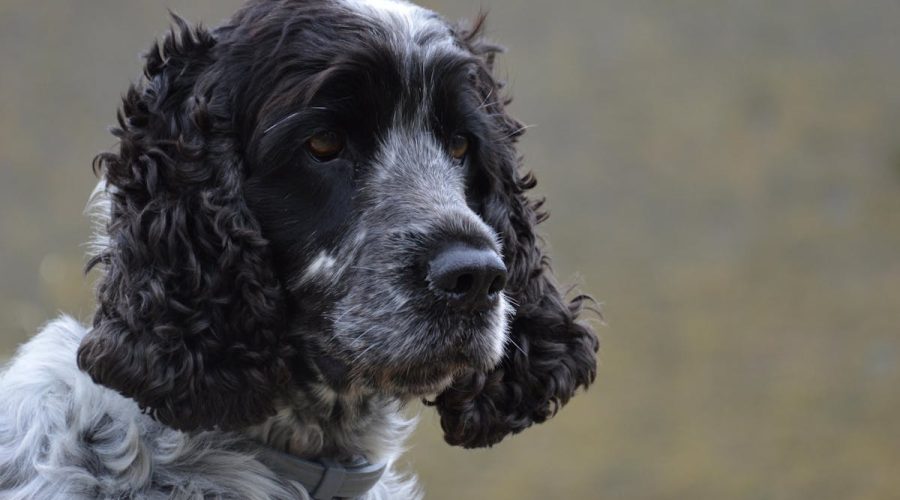
Traveling with your Cocker Spaniel can be one of the most rewarding experiences, but let’s face it—it can also be a bit stressful if you’re not prepared. These charming, affectionate dogs love being with their humans, but their long ears, silky coats, and sensitive nature mean they need special care while on the road. Whether it’s a road trip across the country, a short drive to a family gathering, or flying to a new city, these tips will help ensure a smooth and enjoyable journey for both you and your furry friend.
Cocker Spaniels are known for their silky coats, long ears, and expressive eyes. They are gentle, affectionate, and highly sociable. Their medium size makes them travel-friendly, but their grooming needs and sensitivity require careful planning.
These dogs are friendly, loyal, and playful, but they can also be anxious in new environments. They enjoy being with their owners and may show stress if left alone for long periods.
Before any journey, schedule a vet visit to ensure your Cocker Spaniel is healthy and up-to-date on vaccinations. Ask for advice on motion sickness, anxiety medications, or travel tips.
Pack all the essentials, including:
Invest in a comfortable travel crate or dog seatbelt. A harness with a seatbelt clip or a secure carrier ensures safety and reduces stress during the journey.
Stop every 2–3 hours to let your Cocker Spaniel walk, relieve themselves, and stretch their legs. Short bursts of play can reduce stress and boredom.
Check your airline’s rules for cabin vs cargo travel. Many airlines allow small dogs in the cabin if they fit in an approved carrier.
Choose a well-ventilated, comfortable carrier. Make sure your dog can stand, turn around, and lie down comfortably.
Check the transport service’s pet policies. Some require carriers, while others may have size or breed restrictions.
Bring familiar toys, a blanket, and snacks. Keep your dog calm and entertained during longer journeys.
Book in advance at pet-friendly hotels. Check for amenities like dog beds, outdoor areas, and nearby walking paths.
Airbnb or VRBO often provide pet-friendly rentals. Ensure the property is safe for small dogs and has secure fencing if available.
Bring your dog’s favorite bedding, feeding supplies, and toys to make the environment familiar and reduce anxiety.
Pack pre-measured meals to avoid overfeeding. Use portable containers for easy access during stops.
Offer small, frequent water breaks. Avoid letting your dog drink excessively at once, which can cause discomfort.
Interactive toys or chew toys distract and soothe your dog during travel.
Give your dog short walks at each stop to relieve stress and stretch muscles.
Play a quick game of fetch or tug-of-war to burn energy and maintain good behavior.
Cocker Spaniels’ long, silky coats require brushing, even on the road, to prevent tangles and mats.
Check and clean ears regularly to prevent infection. Wipe paws after walking on different surfaces to avoid irritation.
Include bandages, antiseptic wipes, medications, and tweezers for minor injuries.
Research veterinary clinics along your route in case of emergencies.
Monitor hydration, temperature, and energy levels closely for age-specific needs.
Keep your Cocker Spaniel leashed and under control. Respect other people and pets in public areas.
Encourage friendly, calm introductions. Avoid forcing interactions if your dog is nervous.
Traveling with your Cocker Spaniel can be an incredibly rewarding experience if you plan carefully. From preparing the right gear and packing essentials to managing anxiety and ensuring safety, every step matters. With proper planning, your journey can be enjoyable, stress-free, and full of memories with your loyal companion. Remember, a happy and comfortable dog makes every trip a delight.
1. Can Cocker Spaniels handle long car trips?
Yes, with proper preparation, regular breaks, and comfort measures, they can enjoy long journeys.
2. Should I feed my Cocker Spaniel before traveling?
Avoid large meals right before travel. Small snacks are okay, but full meals should be given after stops.
3. How do I prevent my dog from being anxious during travel?
Bring familiar items, use calming toys, and maintain a consistent routine.
4. Are Cocker Spaniels allowed in airplane cabins?
Many airlines allow small dogs in the cabin if they fit in an approved carrier. Always check the airline’s policy.
5. What is essential to pack for traveling with a Cocker Spaniel?
Food, water, bowls, leash, harness, bedding, toys, grooming supplies, and a first aid kit are essential.

516 Columbia Blvd
Sonoma, CA 21202

Office: 772-619-6309
Inquiries: 772-619-6432

Mon - Fri: 9am - 8pm
Sat - Sun: Closed