
984-489-7877
Call us today

984-489-7877
Call us today


Miniature Schnauzers are alert, affectionate, and full of personality. They are known for their intelligence and family friendly attitude. Caring for them the right way helps them live a long and happy life. This breed is small but energetic, so they thrive on structure, love, and mental engagement.
This breed stands out with its iconic beard and eyebrows. Miniature Schnauzers are sturdy and confident. They stay playful throughout their life and form strong bonds with their families.
Good care supports their physical health and emotional balance. They are active thinkers, so they need more than food and shelter. They require routine, training, engagement, and affection to stay stable and well behaved.

Miniature Schnauzers are lively and curious. They love being part of every family activity. They are also protective and alert, which makes them excellent watchdogs. With the right training, they remain friendly and well mannered.
Their intelligence means they catch on quickly, but it also means they get bored if not engaged. They need mental challenges just as much as physical activity.
A high quality diet keeps them energetic and supports a healthy coat. Choose food rich in lean protein, healthy fats, and controlled carbohydrates. Mini Schnauzers benefit from formulas designed for small breed dogs.
Avoid feeding them chocolate, grapes, raisins, onions, garlic, fried foods, and anything high in salt. These can harm their digestion and long term health.
Feed them twice a day. Keep portions appropriate for their weight and age to prevent obesity. They can gain weight quickly if overfed.
Brush their coat two to three times per week. Their double coat needs attention to prevent matting and maintain texture. Hand stripping or professional grooming helps preserve their signature look.
Bathe them every four to six weeks. Too many baths can dry their skin. Use a gentle shampoo.
Trim nails every two to three weeks. Check their ears weekly. Clean them gently to prevent wax buildup and infections.
Miniature Schnauzers shed minimally. Regular brushing distributes natural oils and keeps the skin healthy.
They need at least forty to sixty minutes of exercise daily. Walks, playtime, and mental tasks keep them balanced.
Puzzle toys, sniffing games, and obedience practice help keep their minds active. They enjoy problem solving.
They love fetch, agility activities, and brisk walks. They also enjoy learning new tricks.
Start early with commands like sit, stay, come, and leave it. Mini Schnauzers respond well to positive reinforcement.
Stay consistent with bathroom routines. Praise immediately when they go in the right place.
Expose them to people, pets, and different environments early. This prevents fear based behavior and boosts confidence.
Conditions to watch for include pancreatitis, eye issues, allergies, and urinary stones. Awareness helps with early detection.
Routine vet visits, vaccinations, and parasite control support long term health.
Brush their teeth several times a week. Dental chews and regular vet cleanings help prevent plaque buildup.
Keep small objects and toxic plants out of reach. They are curious and may chew items.
Choose a cozy bed and an appropriately sized crate. This gives them a safe place to rest.
Mini Schnauzers tolerate moderate temperatures. Protect them from extreme heat or cold.
Use a secure harness or carrier. This keeps them safe and calm.
Practice short rides before long journeys. Pack familiar items to reduce anxiety.
Carry water, food, treats, wipes, a leash, and their favorite toy.
Teach quiet commands and offer rewards when they follow. Avoid shouting since it reinforces excitement.
Give them toys that keep them engaged. Create a calm leaving and returning routine.
Redirect unwanted behavior and reward the right actions. This builds trust and consistency.
Avoid skipping training or delaying socialization. These mistakes lead to behavioral challenges.
Set eating, walking, and sleeping habits. A stable schedule keeps them calm and happy.
Spend quality time playing, training, and communicating. Your bond grows through daily interactions.
Miniature Schnauzers are intelligent, loving, and energetic. When cared for properly, they thrive and become loyal companions. With the right diet, grooming routine, training plan, and attention, you can enjoy a strong and rewarding relationship with this remarkable breed.
1. How often should I groom a Miniature Schnauzer?
Brush several times a week and schedule trimming every four to six weeks.
2. Are Miniature Schnauzers good with children?
Yes, they are affectionate and patient when properly socialized.
3. How much exercise do they need?
They need at least forty to sixty minutes of daily activity.
4. Do Mini Schnauzers shed a lot?
No, they shed minimally and are considered low shedding.
5. What is the best food for Miniature Schnauzers?
Small breed formulas with lean protein and balanced nutrients work well.
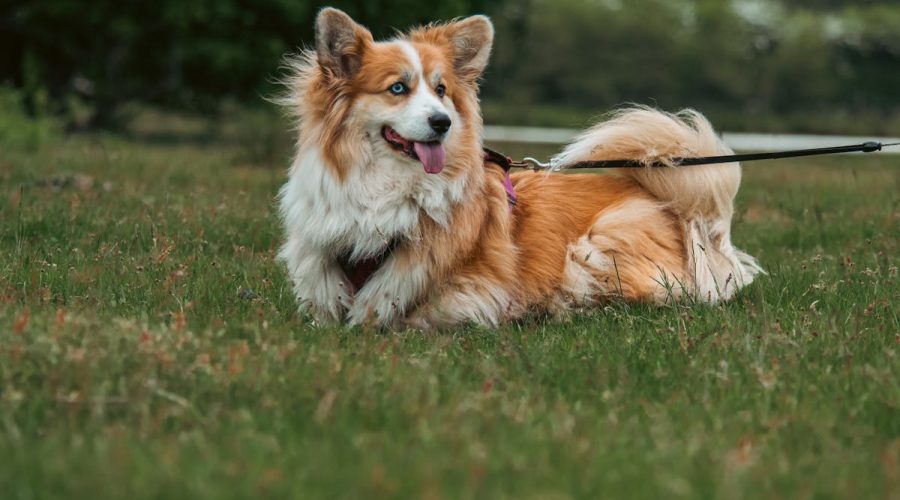
Congratulations on welcoming a Corgi into your home! These energetic, intelligent, and playful dogs bring joy and companionship, but their unique exercise needs require attention. Understanding how much physical and mental activity your Corgi requires ensures a happy, healthy, and well-behaved pup.
Corgis are small but mighty dogs. They have a herding background that gives them high energy and a love for activity. Regular exercise keeps them physically fit, mentally stimulated, and prevents common behavioral issues like excessive barking, chewing, and restlessness.
Corgis originated in Wales as herding dogs, specifically trained to herd cattle and sheep. There are two main types: Pembroke Welsh Corgis and Cardigan Welsh Corgis. Both types are intelligent, alert, and naturally active, traits that make exercise essential for their well-being.
Corgis have moderate to high energy levels. They are lively dogs that enjoy running, playing, and participating in mentally stimulating activities. Without regular exercise, they can become bored, anxious, or destructive.
Corgis are compact, muscular dogs with short legs. Their build makes them prone to joint issues like hip dysplasia and intervertebral disc disease, which should influence the type and intensity of exercise.
Maintaining a healthy weight is crucial. Extra pounds increase stress on their joints and can lead to long-term health problems. Controlled exercise helps prevent obesity and supports joint health.
Puppies require short bursts of activity throughout the day. Focus on playtime, gentle walks, and basic training exercises. Avoid strenuous activities that could strain their developing bones and joints.
Adult Corgis benefit from 1–2 hours of daily activity, combining walks, playtime, and mentally stimulating exercises. Consistency is key to keeping them happy and well-behaved.
Older Corgis may have reduced stamina. Low-impact activities like short walks, gentle play, and indoor games keep them active without stressing joints.
Aim for 60–120 minutes of exercise per day, divided into multiple sessions. Moderate-intensity activities like brisk walks or fetch are ideal.
Corgis are intelligent and thrive on mental challenges. Puzzle toys, treat-dispensing games, and problem-solving activities keep their minds sharp.
Incorporate short training sessions into daily routines. Teaching commands, tricks, and agility exercises engages their brain and body simultaneously.
Regular outdoor walks help burn energy and provide sensory stimulation. If your Corgi is healthy and conditioned, short jogs or hiking adventures are excellent options.
Dog parks allow safe interaction with other dogs, which supports socialization and provides high-energy playtime. Always monitor interactions to prevent overexertion.
Indoor fetch or tug games keep your Corgi active when outdoor options are limited. Interactive toys provide mental stimulation and physical movement.
Set up mini agility courses using household items. Crawling under chairs, jumping over cushions, and weaving through obstacles combines fun with exercise.
Avoid strenuous activity in hot or humid conditions. Corgis have thick coats and can overheat easily. Always provide fresh water and rest breaks.
Irregular exercise leads to pent-up energy, which can result in destructive behavior. A consistent routine is crucial for their mental and physical health.
Corgis prone to joint problems should have low-impact activities like walking or swimming. Always consult your vet if your dog shows signs of discomfort or fatigue.
Adjust exercise routines based on weather. Shorter sessions during hot summers and cold winters help prevent heatstroke or hypothermia.
Balance walks, playtime, and training exercises. Mental stimulation reduces boredom and enhances obedience.
Use treats, praise, and play to encourage exercise. Positive reinforcement strengthens the bond between you and your Corgi.
Observe your Corgi’s energy levels and adapt routines as needed. Every dog is unique, and flexibility ensures optimal health and happiness.
Corgis are energetic, intelligent, and loyal companions. Meeting their exercise needs is vital for physical health, mental stimulation, and overall happiness. By providing a mix of physical activity, mental challenges, and social interaction, you ensure your Corgi thrives in your home. Consistent routines, age-appropriate activities, and attention to health make every day enjoyable for both you and your furry friend.
1. How much exercise does a Corgi need daily?
Corgis need 60–120 minutes of combined physical and mental activity each day.
2. Can Corgis overheat during exercise?
Yes, their thick coats make them prone to overheating. Avoid hot, humid conditions and provide water breaks.
3. Are indoor exercises enough for Corgis?
Indoor exercises help, but outdoor walks and play are essential for full physical and mental stimulation.
4. What are signs my Corgi is under-exercised?
Restlessness, destructive behavior, excessive barking, and weight gain are common signs.
5. Can senior Corgis still be active?
Yes, but exercise should be low-impact, like gentle walks and light indoor games.

516 Columbia Blvd
Sonoma, CA 21202

Office: 772-619-6309
Inquiries: 772-619-6432

Mon - Fri: 9am - 8pm
Sat - Sun: Closed