
984-489-7877
Call us today

984-489-7877
Call us today

Taking your puppy on a hike is a wonderful way to bond, explore nature, and provide both physical and mental stimulation for your furry friend. However, hiking with a puppy comes with its own set of responsibilities and precautions. Puppies are still developing, both physically and behaviorally, and they need careful guidance to ensure a safe and enjoyable outdoor adventure. This guide provides essential safety tips for hiking with your puppy so that both you and your pet can enjoy the trail without stress or risk.
Hiking offers more than just exercise for your puppy. Regular outdoor adventures help improve your puppy’s stamina, strengthen muscles, and provide opportunities for socialization with other dogs and people. The fresh air, new scents, and varied terrain also stimulate your puppy’s mind, reducing boredom and preventing destructive behavior at home. Additionally, hiking can strengthen the bond between you and your puppy, as it requires communication, trust, and shared experiences.
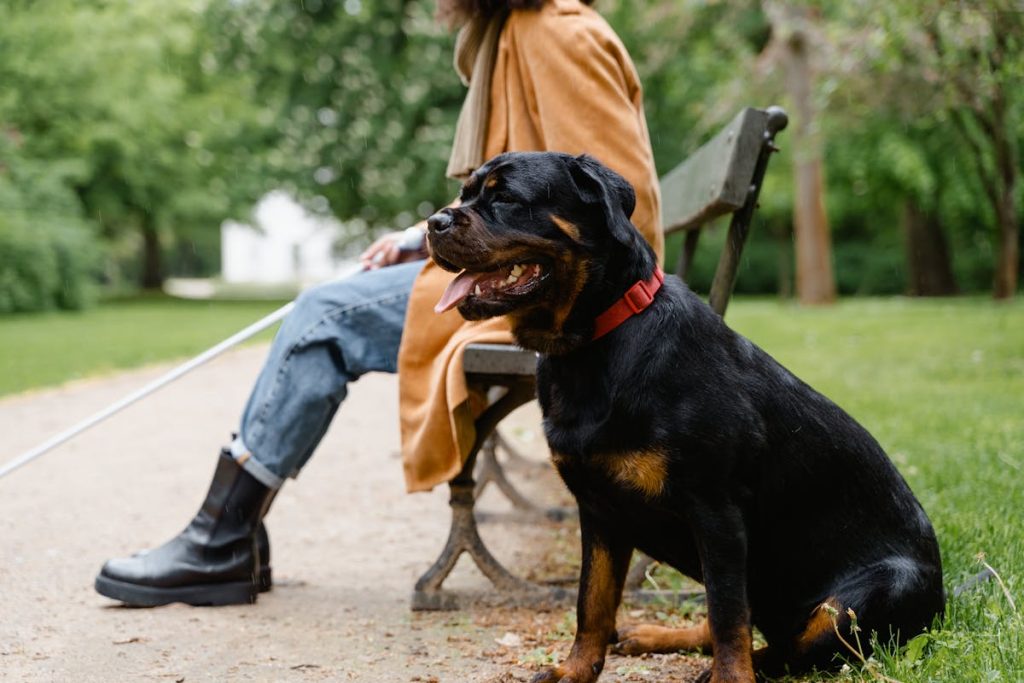
Before hitting the trail, it’s crucial to prepare your puppy properly. Start with short walks to build endurance and get your puppy accustomed to different surfaces like dirt, gravel, and grass. Make sure your puppy is comfortable walking on a leash and understands basic commands such as “come,” “sit,” and “stay.” Check with your veterinarian to confirm your puppy is up-to-date on vaccinations, flea, and tick prevention, as outdoor trails can expose them to parasites and infectious diseases.
Not every trail is suitable for puppies. When hiking with your puppy, select paths that are relatively flat, free of sharp rocks, and not overly long. Trails with moderate temperatures are ideal, as puppies can overheat quickly. Avoid busy trails with heavy foot traffic until your puppy becomes more confident and responsive to commands. Additionally, consider the presence of wildlife, steep drops, or water hazards, as these can pose dangers to inexperienced hikers.
Having the right gear makes the hike safer and more comfortable for your puppy. A well-fitted harness is preferable to a collar, as it reduces strain on your puppy’s neck and allows better control. Always bring a leash, even on trails where dogs are allowed off-leash, for added safety. Pack a collapsible water bowl and plenty of fresh water, snacks for energy, and a basic first-aid kit including styptic powder in case of minor cuts or scrapes. Puppy booties are optional but can protect paws from rough terrain or hot surfaces.
Puppies tire quickly, especially in warm weather or on uneven terrain. Plan regular rest breaks every 15–30 minutes depending on your puppy’s size and age. Offer water frequently to prevent dehydration. Observe your puppy for signs of fatigue, such as slowing down, heavy panting, or sitting down repeatedly. Never force your puppy to keep going if they appear exhausted, as overexertion can cause joint or muscle issues.
Trails may seem safe, but hidden hazards can cause injuries to your puppy. Sharp rocks, thorns, broken glass, and exposed tree roots can cut paws, while steep inclines may lead to slips or falls. Be cautious around wildlife such as snakes, porcupines, or aggressive animals. Avoid letting your puppy eat unknown plants or fungi, as some can be toxic. Being vigilant and proactive helps prevent accidents before they happen.
Pay attention to your puppy’s behavior during the hike. Puppies are naturally curious and may wander off or chase after small animals. Keeping your puppy on a leash and maintaining consistent training commands ensures they stay safe. Positive reinforcement, like treats and praise, encourages desired behavior. Watch for signs of stress, such as whining, excessive panting, or hiding. If your puppy becomes anxious, take a break or consider turning back.
Puppies are more sensitive to extreme temperatures than adult dogs. In hot weather, avoid hiking during midday and choose shaded trails. In cold weather, monitor for signs of discomfort or hypothermia. A lightweight dog jacket can help small or short-haired puppies stay warm in chilly conditions. Always check the forecast and plan hikes during safe, moderate weather conditions.
Being a responsible dog owner includes following proper trail etiquette. Keep your puppy on a leash where required, pick up waste, and be respectful of other hikers and their pets. Avoid overcrowding trails with too many puppies, as this can cause stress for your puppy and other animals. By respecting the environment and other hikers, you create a safe and pleasant hiking experience for everyone.
Even with precautions, minor injuries can happen. Carry a small first-aid kit including bandages, antiseptic wipes, tweezers for removing splinters or ticks, and styptic powder for nail or paw injuries. Knowing basic puppy first-aid techniques allows you to respond quickly and keep your puppy safe until professional care is available.
It’s important to know when to end a hike early to protect your puppy. Signs such as excessive panting, limping, coughing, vomiting, or lethargy indicate your puppy may be stressed, injured, or overheated. Ignoring these signs can lead to serious health issues. Always prioritize your puppy’s safety over completing the trail.
Hiking should be a fun bonding activity. Incorporate short play breaks, gentle training sessions, and plenty of praise to make the experience enjoyable. Bring favorite toys or balls for short fetch sessions in safe areas. Positive experiences help your puppy associate hiking with fun and encourage future outdoor adventures.
Start with short, easy trails and gradually increase distance and difficulty as your puppy grows and becomes more experienced. Puppies’ joints and muscles are still developing, so avoid overexertion. Slow, consistent exposure to new trails builds stamina and confidence while preventing injuries.
Hiking offers physical exercise, mental stimulation, and behavioral enrichment. Puppies exposed to nature learn to adapt to different surfaces, sounds, and smells. The combination of physical exertion and mental challenges helps reduce hyperactivity at home and improves overall well-being. Regular hikes also reinforce leash training and obedience in real-world situations.
For longer hikes or overnight trips, plan carefully. Ensure you have enough water, food, bedding, and safety gear. Research trails for pet regulations, terrain difficulty, and emergency access. Pre-trip training with overnight stays can help your puppy adapt to multi-day adventures comfortably.
After each hike, inspect your puppy for ticks, burrs, cuts, or irritations. Wash paws and fur to remove dirt, mud, or allergens. Proper post-hike care reduces the risk of infection and keeps your puppy healthy. Rewarding your puppy with treats or play reinforces positive behavior and ends the hike on a high note.
1. At what age can I start hiking with my puppy?
Most puppies can start short, easy hikes after their vaccinations are complete, usually around 12–16 weeks.
2. How far should I hike with a puppy?
Start with 15–30 minute walks or short trails. Gradually increase distance as your puppy grows and gains endurance.
3. Should puppies wear booties on hikes?
Puppy booties are optional but useful on rough, rocky, hot, or icy trails to protect sensitive paws.
4. How do I prevent my puppy from overheating?
Hike during cooler hours, bring plenty of water, provide rest breaks, and watch for excessive panting.
5. Can hiking help with puppy behavior problems?
Yes, regular hikes provide physical and mental stimulation, reducing hyperactivity, anxiety, and destructive behavior at home.

516 Columbia Blvd
Sonoma, CA 21202

Office: 772-619-6309
Inquiries: 772-619-6432

Mon - Fri: 9am - 8pm
Sat - Sun: Closed