984-489-7877
Call us today

984-489-7877
Call us today

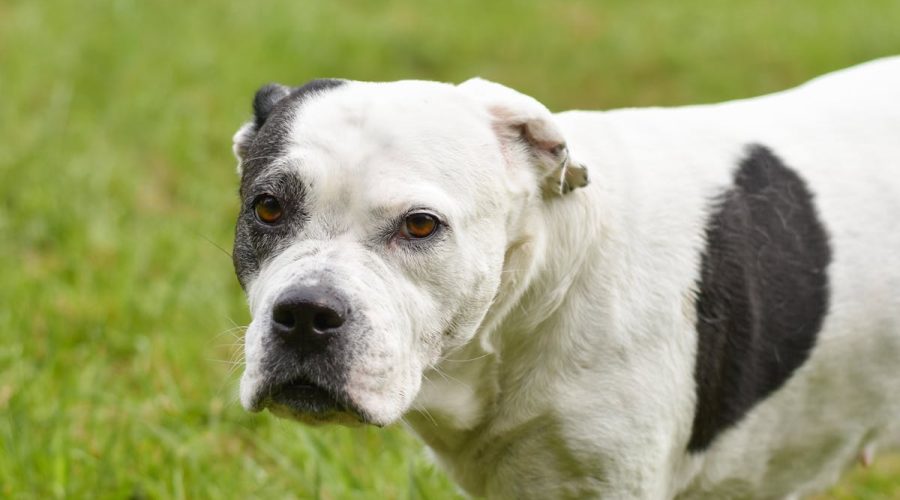
The Boxer is one of those dog breeds that leaves a lasting impression. Strong yet playful, protective yet affectionate, Boxers have a personality that fills the room. They are often described as eternal puppies because even as adults, they keep their goofy charm and boundless enthusiasm. If you have ever seen a Boxer wiggle with excitement, you already know they bring a unique energy into any home.
This guide dives deep into the Boxer dog breed, covering its history, personality, physical traits, care needs, and lifestyle compatibility. Whether you are considering bringing a Boxer into your life or simply want to learn more about this remarkable breed, this complete guide will give you a clear and honest picture.

Understanding a breed starts with knowing where it came from.
The Boxer originated in Germany during the late nineteenth century. Its ancestors include the now extinct Bullenbeisser, a powerful hunting dog used to catch large game such as boar and deer. These dogs were bred for strength, agility, and courage, traits that still define the modern Boxer.
Breeders later crossed the Bullenbeisser with English Bulldogs, refining the breed into a more compact and athletic dog. This combination resulted in a dog that was strong but also responsive and intelligent.
Boxers gained international recognition in the early twentieth century. They were used as working dogs during World War I, serving as messengers, guard dogs, and companions to soldiers. Their loyalty and trainability quickly earned them respect.
After the war, Boxers became popular family pets, especially in Europe and North America. Today, they are loved for their versatility as companions, protectors, and playful family dogs.
Read More: The Most Family-Friendly Dog Breeds for Petland Raleigh Households
Boxers have a powerful and athletic appearance that matches their energetic personality.
Boxers are medium to large sized dogs with a muscular build. Males typically weigh between sixty five and eighty pounds, while females are slightly smaller. Their bodies are square shaped, meaning their height and length are nearly equal, giving them a balanced and sturdy look.
The Boxer has a short, smooth coat that lies close to the body. Common colors include fawn and brindle, often with white markings on the chest, face, and paws. Their coat is low maintenance and does not require trimming.
One of the most recognizable features of a Boxer is its face. The broad head, strong jaw, and expressive eyes give Boxers an alert and intelligent look. Their facial expressions often seem almost human, especially when they tilt their head in curiosity.
The Boxer personality is where this breed truly shines.
Boxers form strong bonds with their families. They are naturally protective and will not hesitate to stand between their loved ones and perceived danger. Despite this, they are not aggressive by nature and usually greet familiar faces with enthusiasm.
If there were a prize for playful dogs, Boxers would be top contenders. They love games, toys, and interactive play. Even adult Boxers often behave like oversized puppies, bouncing around with excitement.
Boxers are intelligent and emotionally aware. They tend to pick up on their owner’s moods and respond with affection or calm behavior. This emotional connection makes them deeply loyal companions.
A Boxer without enough exercise is like a sports car stuck in traffic.
Boxers need daily physical activity to stay healthy and happy. Long walks, runs, play sessions, and interactive games are essential. Without proper exercise, they may develop behavioral issues such as chewing or excessive barking.
Physical exercise alone is not enough. Boxers also need mental challenges. Puzzle toys, training sessions, and learning new tricks help keep their minds sharp.
Training a Boxer can be both rewarding and challenging.
Boxers are intelligent and eager to please, but they can also be stubborn. Training requires patience and consistency. Harsh methods do not work well with this breed.
Positive reinforcement works best. Treats, praise, and play motivate Boxers far more than punishment.
Jumping, mouthing, and over excitement are common issues, especially in young Boxers. Early training helps manage these behaviors.
Proper socialization shapes a well balanced Boxer.
Boxers are known for being excellent with children. They are patient, playful, and protective. Supervision is always recommended due to their size and energy.
With early socialization, Boxers usually get along well with other dogs and pets. Introducing them gradually helps prevent issues.
Grooming a Boxer is simple compared to many breeds.
Boxers shed lightly year round. Weekly brushing helps remove loose hair and keeps the coat shiny.
Bathing every four to six weeks is usually enough. Use gentle dog shampoo to avoid skin irritation.
Like all breeds, Boxers have specific health considerations.
Common issues include heart conditions, hip dysplasia, and certain cancers. Responsible breeding and regular vet care are essential.
Routine checkups, vaccinations, and a healthy diet play a big role in a Boxer’s longevity.
Fueling a Boxer properly supports their active lifestyle.
High quality protein rich food helps maintain muscle mass and energy levels.
Boxers do best with two meals a day. Overfeeding can lead to weight gain and joint problems.
Raising a Boxer puppy is an adventure.
Boxer puppies grow quickly and need structured training from an early age.
Consistency, socialization, and positive experiences shape a confident adult dog.
Boxers adapt well to different living situations.
Apartment living is possible if daily exercise needs are met.
A home with a yard is ideal but not required. What matters most is active engagement.
Boxers thrive in family environments. They love being involved in daily activities and do not enjoy being left alone for long periods.
Pros include loyalty, playfulness, and strong family bonds. Cons include high energy needs and potential health issues.
If you want a loyal, energetic, and affectionate companion and can meet their exercise needs, the Boxer may be the perfect match.
The Boxer is a breed full of heart, strength, and joy. Their playful spirit, protective instincts, and deep loyalty make them unforgettable companions. Owning a Boxer is a commitment, but for the right person or family, it is a rewarding and life enriching experience.
Are Boxers good for first time dog owners?
Yes, with proper training and commitment, Boxers can be great for first time owners.
Do Boxers bark a lot?
They are not excessive barkers but will alert their owners when needed.
How long do Boxers live?
The average lifespan is ten to twelve years.
Are Boxers aggressive?
No, they are naturally friendly but protective when necessary.
Do Boxers need a lot of attention?
Yes, they thrive on companionship and interaction.
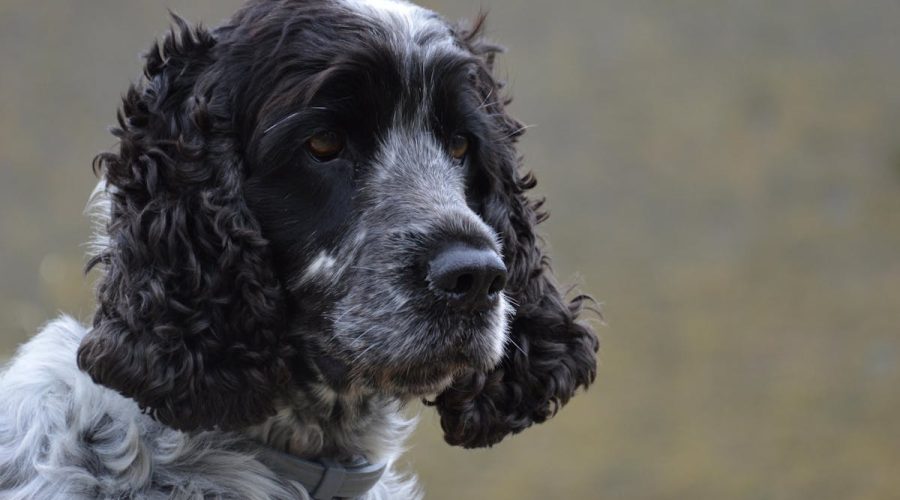
Traveling with your Cocker Spaniel can be one of the most rewarding experiences, but let’s face it—it can also be a bit stressful if you’re not prepared. These charming, affectionate dogs love being with their humans, but their long ears, silky coats, and sensitive nature mean they need special care while on the road. Whether it’s a road trip across the country, a short drive to a family gathering, or flying to a new city, these tips will help ensure a smooth and enjoyable journey for both you and your furry friend.
Cocker Spaniels are known for their silky coats, long ears, and expressive eyes. They are gentle, affectionate, and highly sociable. Their medium size makes them travel-friendly, but their grooming needs and sensitivity require careful planning.
These dogs are friendly, loyal, and playful, but they can also be anxious in new environments. They enjoy being with their owners and may show stress if left alone for long periods.
Before any journey, schedule a vet visit to ensure your Cocker Spaniel is healthy and up-to-date on vaccinations. Ask for advice on motion sickness, anxiety medications, or travel tips.
Pack all the essentials, including:
Invest in a comfortable travel crate or dog seatbelt. A harness with a seatbelt clip or a secure carrier ensures safety and reduces stress during the journey.
Stop every 2–3 hours to let your Cocker Spaniel walk, relieve themselves, and stretch their legs. Short bursts of play can reduce stress and boredom.
Check your airline’s rules for cabin vs cargo travel. Many airlines allow small dogs in the cabin if they fit in an approved carrier.
Choose a well-ventilated, comfortable carrier. Make sure your dog can stand, turn around, and lie down comfortably.
Check the transport service’s pet policies. Some require carriers, while others may have size or breed restrictions.
Bring familiar toys, a blanket, and snacks. Keep your dog calm and entertained during longer journeys.
Book in advance at pet-friendly hotels. Check for amenities like dog beds, outdoor areas, and nearby walking paths.
Airbnb or VRBO often provide pet-friendly rentals. Ensure the property is safe for small dogs and has secure fencing if available.
Bring your dog’s favorite bedding, feeding supplies, and toys to make the environment familiar and reduce anxiety.
Pack pre-measured meals to avoid overfeeding. Use portable containers for easy access during stops.
Offer small, frequent water breaks. Avoid letting your dog drink excessively at once, which can cause discomfort.
Interactive toys or chew toys distract and soothe your dog during travel.
Give your dog short walks at each stop to relieve stress and stretch muscles.
Play a quick game of fetch or tug-of-war to burn energy and maintain good behavior.
Cocker Spaniels’ long, silky coats require brushing, even on the road, to prevent tangles and mats.
Check and clean ears regularly to prevent infection. Wipe paws after walking on different surfaces to avoid irritation.
Include bandages, antiseptic wipes, medications, and tweezers for minor injuries.
Research veterinary clinics along your route in case of emergencies.
Monitor hydration, temperature, and energy levels closely for age-specific needs.
Keep your Cocker Spaniel leashed and under control. Respect other people and pets in public areas.
Encourage friendly, calm introductions. Avoid forcing interactions if your dog is nervous.
Traveling with your Cocker Spaniel can be an incredibly rewarding experience if you plan carefully. From preparing the right gear and packing essentials to managing anxiety and ensuring safety, every step matters. With proper planning, your journey can be enjoyable, stress-free, and full of memories with your loyal companion. Remember, a happy and comfortable dog makes every trip a delight.
1. Can Cocker Spaniels handle long car trips?
Yes, with proper preparation, regular breaks, and comfort measures, they can enjoy long journeys.
2. Should I feed my Cocker Spaniel before traveling?
Avoid large meals right before travel. Small snacks are okay, but full meals should be given after stops.
3. How do I prevent my dog from being anxious during travel?
Bring familiar items, use calming toys, and maintain a consistent routine.
4. Are Cocker Spaniels allowed in airplane cabins?
Many airlines allow small dogs in the cabin if they fit in an approved carrier. Always check the airline’s policy.
5. What is essential to pack for traveling with a Cocker Spaniel?
Food, water, bowls, leash, harness, bedding, toys, grooming supplies, and a first aid kit are essential.
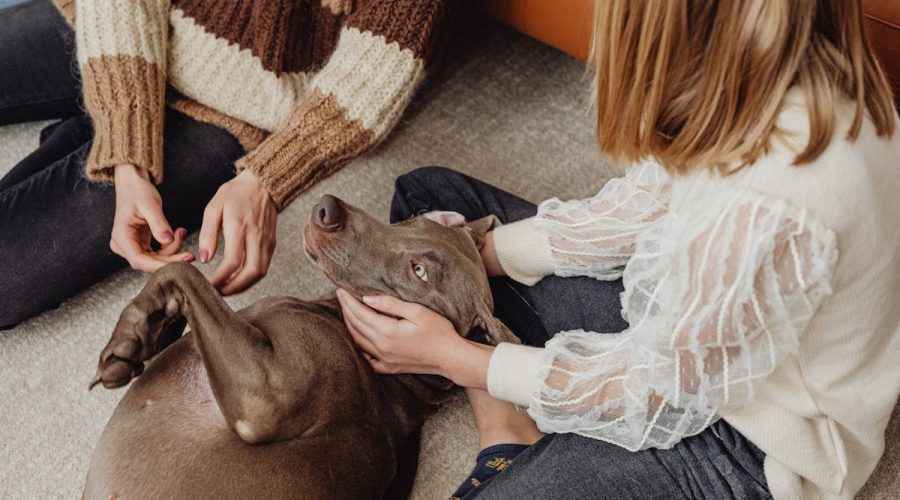
Thanksgiving is a joyful time full of family, food, and fun. But for puppies, it can be overwhelming. From loud conversations to unfamiliar visitors and new smells, Thanksgiving often leads to overstimulated, anxious, or even exhausted puppies. Helping your pup stay calm during and after the festivities is crucial for their health, happiness, and your peace of mind.
In this guide, we’ll cover 10 proven ways to calm your puppy after Thanksgiving celebrations, including behavioral tips, environmental strategies, and gentle care techniques.
Puppies can’t tell us when they’re overwhelmed, but their behavior speaks volumes. Watch for:
Overstimulated puppies may act clingy, refuse to eat, or show sudden aggression. Recognizing stress early allows you to act before it escalates.
Read More: Tips for Puppy Care During This Holiday Season!
Set up a designated area away from guests with their bed, toys, and blankets. A small, cozy space helps them relax.
Lower loud music, limit sudden bursts of noise, and keep visitors from overwhelming your puppy. Even small adjustments help tremendously.
Maintain your puppy’s regular meal times. Disrupted feeding can increase anxiety.
Stick to normal walking and play schedules. Familiar activities help your puppy feel secure.
Puzzle toys or treat dispensers keep your puppy engaged and distract them from overstimulation.
Safe chew toys allow your puppy to release tension naturally.
Praise and treats for calm behavior reinforce relaxation and reduce anxiety.
Never scold an overstimulated puppy—it only increases stress.
Slow, gentle strokes along the back, neck, and ears can reduce tension.
Massage lowers heart rate, relieves muscle tension, and provides comfort after a busy day.
Lavender and chamomile are puppy-safe in small, controlled amounts.
Diffuse oils away from the puppy’s direct breathing area, never apply directly to skin.
Classical or soft instrumental music has been shown to reduce anxiety in dogs.
A gentle white noise machine masks sudden loud sounds, keeping your puppy calm.
Staying hydrated is essential after busy holiday activities.
Small portions of pumpkin, carrots, or dog-safe treats provide comfort without upsetting digestion.
A calm walk outside can help release pent-up energy and improve mood.
Low-intensity play like fetch or tug can distract from overstimulation and reduce anxiety.
If visitors continue after Thanksgiving, reintroduce your puppy slowly to avoid overstimulation.
Pair greetings with treats and praise so your puppy associates guests with calm, positive experiences.
Persistent vomiting, diarrhea, excessive panting, or unusual aggression may require a vet visit.
Keep notes on behavior patterns and recovery to adjust future strategies.
Create puppy-safe zones before guests arrive, limit loud activities, and maintain routines.
Ask family and friends to follow simple rules: no sudden loud noises, gentle petting, and limited feeding of table scraps.
Thanksgiving can be overwhelming for puppies, but with careful planning and consistent calming techniques, your furry friend can enjoy the holiday safely and happily. From creating quiet spaces to using toys, massages, and familiar routines, these 10 proven methods will help your puppy recover from overstimulation and stay relaxed during future celebrations.
Look for pacing, whining, hiding, excessive barking, or sudden aggression.
Yes! Interactive toys and chew toys help release energy and reduce stress.
Yes, but only safe oils like lavender or chamomile in small, diffused amounts.
Most puppies settle within a few hours to a day with proper care and a calm environment.
No—keeping familiar feeding, walking, and play schedules helps them feel secure.
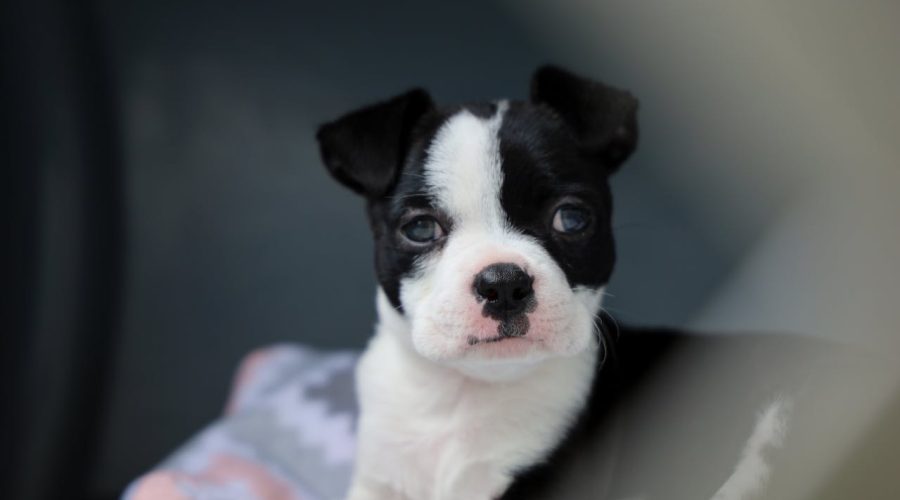
Boston Terriers, known as the “American Gentleman,” are adored for their charming personalities and tuxedo-like markings. But while they’re affectionate and easy to love, these little dogs come with a few unique health challenges. Proper care, nutrition, and early prevention can help your Boston Terrier live a long, healthy, and joyful life.
Boston Terriers are a brachycephalic breed, meaning they have short noses and flat faces. This cute look can cause breathing difficulties and overheating if not managed properly. Their compact bodies and energetic nature also make them prone to joint and skin issues.
Boston Terriers are generally healthy but can face problems like:
Understanding these risks helps you prevent them early with the right care routine.
A balanced diet rich in protein, healthy fats, and essential vitamins is key. Choose high-quality puppy food formulated for small breeds. Look for real meat as the first ingredient and avoid fillers like corn or soy.
Feed your Boston Terrier puppy 3–4 small meals a day. Avoid overfeeding — their small size means extra calories can quickly lead to weight gain.
Boston Terriers love short bursts of play but aren’t built for endurance. Aim for 30–45 minutes of daily exercise through walks and indoor games.
Try fetch, agility exercises, or hide-and-seek with treats. Mental stimulation helps prevent boredom and destructive behavior.
Start brushing your puppy’s teeth early using a dog-safe toothbrush and toothpaste. Regular brushing prevents tartar buildup and bad breath.
Watch for drooling, bleeding gums, or reluctance to eat — these can signal dental disease that needs a vet’s attention.
Boston Terriers often have sensitive skin. Bathe them with hypoallergenic shampoo and avoid harsh chemicals. Regular vet checkups help identify allergy triggers.
Brush your Boston Terrier weekly to remove loose hair and promote circulation. Wipe their face folds daily to prevent moisture buildup and infections.
Their prominent eyes are prone to injuries and dryness. Keep an eye out for redness, squinting, or discharge.
Gently clean around their eyes with a damp cloth. Regular vet exams ensure early detection of issues like cataracts or cherry eye.
Because of their short snouts, Boston Terriers can struggle with breathing, especially in heat. Avoid overexertion and keep them in cool environments.
Use a harness instead of a collar to reduce neck pressure. Maintain a healthy weight to minimize strain on their airways.
Core vaccines include distemper, parvovirus, and rabies. Discuss booster schedules with your vet to keep immunity strong.
Schedule routine vet visits every 6–12 months. Early detection of health problems saves money and keeps your pup healthier long-term.
Common allergens include chicken, wheat, and dairy. If your puppy experiences bloating, itching, or diarrhea, consult your vet for a food trial.
Skip chocolate, onions, grapes, and any processed human foods. Even small amounts can be toxic to dogs.
Use vet-approved flea and tick preventives regularly. Puppies also need deworming every few weeks until six months old.
Natural remedies like coconut oil can help repel pests, but always consult your vet before replacing medical treatments.
Boston Terriers love to eat but gain weight easily. Use healthy treats and limit table scraps. Combine a balanced diet with daily play.
You should be able to feel your dog’s ribs without pressing too hard. A visible waistline means your pup is in good shape.
This breed forms strong bonds and can experience separation anxiety. Gradual alone-time training and calming toys can help.
Expose your Boston Terrier to different environments and people early on. Positive reinforcement keeps them confident and well-behaved.
Older Boston Terriers need softer food, gentler exercise, and more frequent vet visits. Keep an eye on mobility and dental health.
Arthritis, cataracts, and heart murmurs are common. Supplements like glucosamine and omega-3s can support aging joints and eyes.
Caring for a Boston Terrier requires love, patience, and a little extra attention to their unique health needs. By focusing on preventive care — from diet and dental hygiene to regular vet checkups — you’ll give your Boston Terrier the best chance at a long, happy, and healthy life.
1. How often should I take my Boston Terrier to the vet?
At least once a year for a full health exam, but puppies and seniors may need more frequent visits.
2. What is the best food for Boston Terrier puppies?
Choose small-breed puppy food with real meat, balanced nutrients, and no artificial fillers.
3. How can I prevent my Boston Terrier from overheating?
Keep them indoors on hot days, provide shade, and avoid excessive exercise in the sun.
4. Why does my Boston Terrier have tear stains?
This can result from allergies, eye irritation, or blocked tear ducts. Regular cleaning and vet checks help prevent staining.
5. Are Boston Terriers prone to dental issues?
Yes, they can develop tartar and gum problems easily, so regular brushing and vet cleanings are essential.
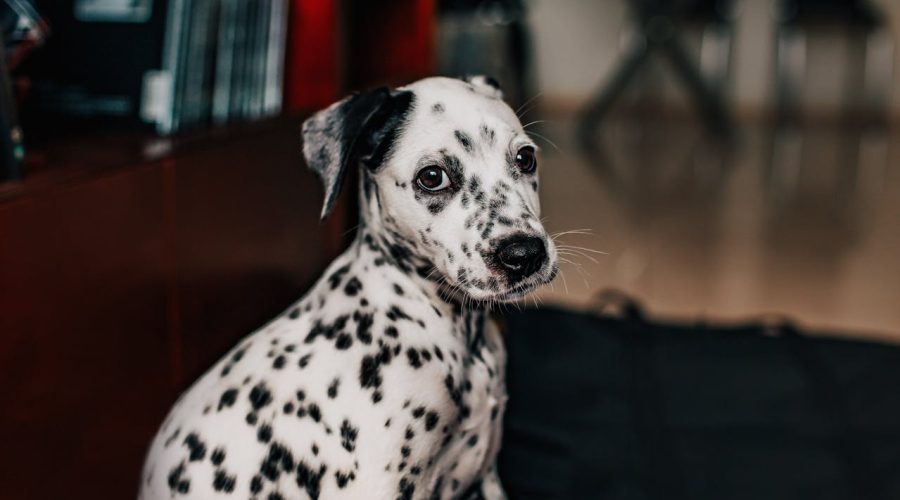
Dalmatians are one of the most recognizable dog breeds in the world famous for their striking black or liver spots and energetic personalities. But behind their stunning looks lies a complex and fascinating temperament that every potential owner should understand.
If you’re thinking about bringing a Dalmatian into your home, knowing their temperament and personality traits is key to ensuring they fit your lifestyle. Let’s dive into what makes this breed so unique, loyal, and full of character.
Before understanding the Dalmatian’s behavior, it’s important to know where they come from. Originating from the Dalmatia region of Croatia, these dogs were bred for a variety of roles — from hunting and guarding to running alongside horse-drawn carriages as coach dogs.
This background explains their high energy, intelligence, and alertness. Dalmatians were born to be active and involved — they love having a purpose.
The Dalmatian temperament can best be described as energetic, intelligent, and loyal. They are social dogs that crave attention and thrive when they’re part of family activities. However, they also have a strong will and a bit of a mischievous streak, which means they need patient, consistent training.
Their mood often mirrors their environment — when treated with love and understanding, they become affectionate and well-behaved companions.
If one word describes a Dalmatian, it’s active.
This breed has an incredible amount of stamina, thanks to its history as a working and running dog. Without regular exercise, Dalmatians can become restless, bored, or even destructive.
They need at least 60 to 90 minutes of physical activity every day — running, playing fetch, or agility exercises are perfect to keep them content.
Dalmatians are not only fun-loving but also highly intelligent. They quickly pick up new commands and tricks, but their intelligence means they can get bored easily with repetition.
They love interactive games and challenges that stimulate their mind, such as puzzle toys or hide-and-seek with treats. Keep them mentally engaged, and you’ll have a happy, well-balanced dog.
Dalmatians are loyal and affectionate with their families. They thrive on companionship and often form a deep bond with one particular person.
They love being part of daily routines — whether it’s a morning jog or lounging on the couch after a long day.
When properly socialized, Dalmatians are wonderful with children. Their playful energy matches perfectly with active kids, but supervision is important to prevent rough play.
Teach both the dog and the children to respect each other’s boundaries.
Dalmatians are naturally alert and can be cautious around strangers. They’re not typically aggressive but will bark to alert their owners of unfamiliar people — making them great watchdogs.
With early socialization, Dalmatians can get along well with other pets, especially if raised together. However, their strong prey drive means they might chase smaller animals like cats or rabbits.
Introducing them gradually and in controlled environments helps prevent conflicts and fosters harmony at home.
Dalmatians are deeply loyal and protective of their families. They have strong guarding instincts, which can make them wary of outsiders at first. However, their protective nature comes from love rather than aggression.
With proper training, they learn to distinguish between a friend and a threat, becoming reliable protectors.
Dalmatians are always aware of their surroundings, which is why they make great watchdogs.
They love exploring new places, smells, and toys — their curiosity keeps them mentally active.
Dalmatians are emotionally sensitive dogs. They don’t respond well to harsh discipline; instead, they flourish with positive reinforcement and affection.
Yes, Dalmatians can be excellent family dogs for the right owners. They do best with active families who can match their energy and provide plenty of attention.
They’re loyal, loving, and protective — perfect for those who enjoy outdoor adventures and an affectionate companion.
Expose your Dalmatian to different people, pets, and environments from an early age. This helps them develop confidence and adaptability.
Use praise, treats, and play as rewards for good behavior. Consistency is key — never use punishment, as it can make them anxious or stubborn.
Many people believe Dalmatians are naturally aggressive or difficult to train — this is a myth.
Their behavior largely depends on training, socialization, and environment. A well-trained Dalmatian is friendly, obedient, and loving.
Dalmatians have strong wills and sometimes test their owners’ patience. If your dog seems stubborn:
Remember, persistence and kindness always win with this breed.
Dalmatians do best in homes with space to move — like houses with yards. Apartment living can work too, but only if they get plenty of outdoor exercise daily.
They’re not suited for being left alone for long hours; isolation can lead to destructive behavior.
The Dalmatian temperament is a beautiful mix of energy, intelligence, loyalty, and affection. They’re playful, protective, and deeply bonded to their families.
If you can match their energy and provide consistent training, you’ll be rewarded with one of the most loyal and loving companions around. Dalmatians aren’t just pets — they’re family.
1. Are Dalmatians aggressive?
No, Dalmatians are not naturally aggressive. With proper training and socialization, they’re friendly and well-mannered.
2. Do Dalmatians get along with other dogs?
Yes, especially when socialized early. They enjoy the company of other active dogs.
3. Are Dalmatians good for first-time owners?
They can be, but they require time, training, and lots of exercise — ideal for active beginners.
4. Do Dalmatians bark a lot?
They bark to alert but aren’t excessive barkers. Proper training keeps it under control.
5. Are Dalmatians easy to train?
Yes, if you use positive reinforcement and keep training sessions short, fun, and consistent.
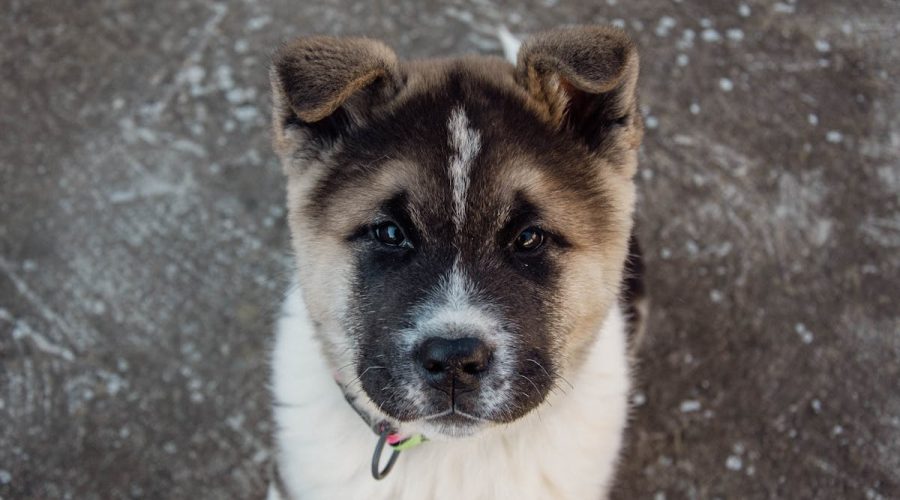
Bringing home an Akita puppy is an exciting experience — they’re intelligent, loyal, and stunningly beautiful. But this breed also needs dedicated care, proper training, and early socialization to thrive. Let’s dive into everything you need to know to raise a happy, well-balanced Akita puppy.
The Akita originates from Japan, where it was bred as a powerful hunting and guarding dog. The breed symbolizes loyalty and protection — famously known for “Hachiko,” the Akita who waited years for his late owner at a train station.
Akitas are known for their courage, independence, and devotion. They’re affectionate with family but can be aloof with strangers. Early socialization is essential to ensure they grow into well-mannered companions.
Before bringing your puppy home, prepare a quiet, secure area for sleeping and eating. Akitas thrive on routine, so set boundaries early.
Hide electrical cords, keep harmful plants out of reach, and ensure all cleaning chemicals are stored safely. Akita puppies are curious explorers!
Akita puppies require a protein-rich diet to support their rapid growth. Look for dog food with real meat, omega fatty acids, and balanced nutrients.
Avoid overfeeding — Akitas can gain weight easily. Stick to measured portions and skip table scraps.
Akitas are intelligent but can be strong-willed. Begin training at 8 weeks to build good habits early.
Start with sit, stay, come, and down. Keep sessions short, fun, and reward-based.
Crates provide structure and help with housebreaking. Take your puppy outside after meals and naps for faster progress.
Never use harsh punishment. Akitas respond best to praise, treats, and consistency.
Socialization is key to preventing aggression or fearfulness. Expose your Akita to various people, pets, and environments during the first 16 weeks.
Proper socialization builds a confident, well-rounded Akita.
Akitas are energetic but not overly hyper. Daily walks, playtime, and short training sessions keep them happy.
Mental games like puzzle toys also prevent boredom and destructive behavior.
Akitas have a thick double coat that sheds heavily twice a year.
Brush 2–3 times weekly to reduce shedding. Use an undercoat rake during seasonal “blowouts.”
Bathe once every 2–3 months unless dirty. Trim nails monthly and brush teeth weekly to maintain oral health.
Akitas are generally healthy but prone to certain issues like hip dysplasia and hypothyroidism. Regular vet checkups, vaccines, and parasite prevention are a must.
Akitas bond deeply with their family. Spend quality time daily through walks, play, and training. Understanding their body language helps strengthen trust.
Akitas are intelligent yet independent, which can come across as stubbornness. Stay patient, consistent, and confident in your leadership.
As your Akita matures, adjust diet portions and continue training to reinforce obedience. Adult Akitas are calmer but still protective and loyal.
Akitas can adapt to apartment life if exercised daily. However, they prefer homes with space and secure yards. Avoid leaving them alone for long hours — they crave companionship.
Avoiding these mistakes ensures a well-balanced, loyal companion.
Raising an Akita puppy takes patience, structure, and love. With proper feeding, consistent training, and early socialization, your Akita will grow into a majestic and devoted guardian that brings pride to your family.
1. What’s the best food for an Akita puppy?
High-quality puppy food with lean protein, omega-3s, and whole grains is ideal.
2. Are Akitas good with kids?
Yes, with proper socialization. Always supervise interactions with small children.
3. How often should I groom my Akita?
Brush weekly and bathe every 2–3 months.
4. When should I start training my Akita puppy?
Start as early as 8 weeks with short, positive sessions.
5. How do I handle stubborn behavior?
Be consistent, patient, and use reward-based reinforcement.
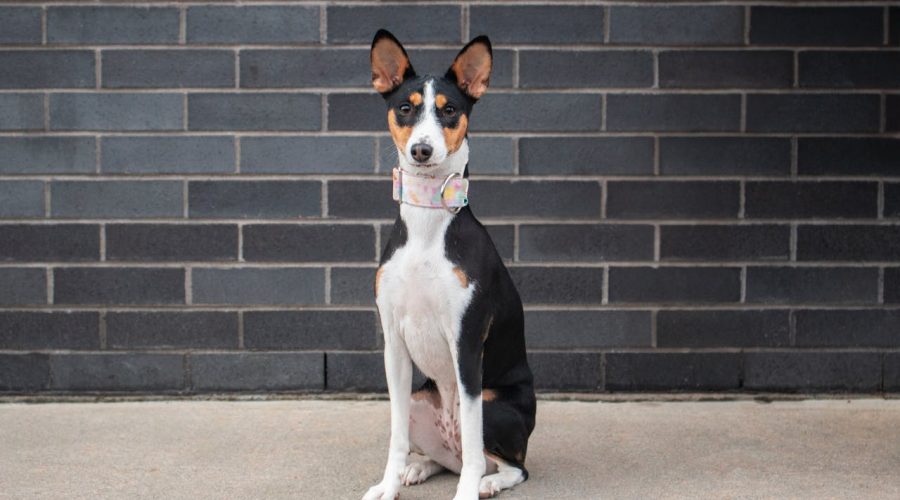
The American Foxhound is a breed with deep roots in American history. Known for its friendly personality, hunting instincts, and endless energy, this dog was originally bred for fox hunting but has since become a beloved companion for active families. If you’re thinking about adding one to your household, understanding their personality, behavior, and lifestyle needs is key to a happy partnership.
Developed in the early 1700s, the American Foxhound is one of the oldest native dog breeds in the United States. George Washington himself played a role in refining the breed by crossing imported English Foxhounds with French hounds. The result? A lean, athletic, and determined hunter that could run for hours across the countryside.
Over time, the breed evolved from a hunting dog to a loyal family companion, known for its endurance and affectionate spirit.
The American Foxhound is a medium-to-large breed with a sleek, athletic body built for stamina. Males typically stand between 22–25 inches, while females are slightly smaller, ranging 21–24 inches. Their weight usually falls between 60–75 pounds, depending on diet and activity level.
They have a short, smooth coat that’s easy to maintain. Common colors include tricolor (black, white, and tan), red and white, and blue tick variations.
Their long, straight legs, deep chest, and expressive brown eyes make them stand out. Combined with their strong sense of smell and graceful stride, they truly embody both beauty and purpose.
American Foxhounds are loyal to the core. While they were bred for hunting, they form deep attachments to their families and enjoy spending time with people. They are rarely aggressive and make great companions for children.
These dogs are extremely energetic and thrive in active households. They need daily exercise to keep them both physically and mentally satisfied. A bored Foxhound can quickly turn mischievous, so regular playtime is essential.
American Foxhounds are pack-oriented, meaning they love being around people or other dogs. Their friendly nature makes them poor guard dogs but wonderful social pets.
Foxhounds are intelligent but also independent thinkers. This trait helped them work alone in the field but can make training a little challenging. However, with patience and consistency, they respond well.
One of their most iconic traits is their melodious howl. They use their voice to communicate excitement or to alert you of visitors. While charming outdoors, it can become noisy in close living spaces — something to consider if you have neighbors.
They thrive in groups and do best when they have company. Whether it’s another pet or a human companion, loneliness can lead to destructive behavior or anxiety.
This breed was made to run. They need at least 1–2 hours of exercise daily, including walks, runs, or outdoor games. They love open spaces, so a fenced yard is ideal.
A high-protein, balanced diet keeps them energetic and lean. Choose dog food rich in real meat, whole grains, and healthy fats. Avoid overfeeding — Foxhounds have big appetites and can gain weight easily.
Their short coat makes grooming simple. Weekly brushing keeps shedding under control, and monthly baths are enough. Don’t forget to clean their ears regularly to prevent infections.
Start socializing early to help them adapt to different sounds, people, and environments. This prevents shyness and improves their confidence.
These dogs are sensitive and respond best to praise-based training. Harsh discipline doesn’t work — instead, use treats and gentle correction.
American Foxhounds can be strong-willed. Keep training sessions short, fun, and engaging. Their love for food makes treats an excellent motivator!
While adaptable, American Foxhounds are best suited for homes with yards or access to outdoor space. Apartment living can work only if you’re dedicated to giving them plenty of exercise.
They’re naturally gentle and get along well with kids. Their sociable nature also makes them friendly with other dogs, though small pets should be supervised due to their hunting instincts.
Like many active breeds, Foxhounds are prone to hip dysplasia. Maintaining a healthy weight and providing joint supplements can help reduce the risk.
Their floppy ears can trap moisture and dirt, leading to infections. Regular ear cleaning and vet checks are essential.
Because they love to eat, portion control and regular exercise are important to prevent obesity-related health issues.
If you’re looking for an energetic, affectionate, and loyal dog who loves the outdoors, the American Foxhound could be a perfect match. They’re best for active owners who can dedicate time to exercise and companionship.
However, if you prefer a quiet, low-maintenance pet, this breed might not be ideal — their energy and voice need an owner ready for adventure!
The American Foxhound is a true representation of energy, grace, and loyalty. Their easy-going personality and joyful spirit make them wonderful companions for those who can keep up with their active lifestyle. With the right care, training, and love, this breed will reward you with years of affection and fun.
1. Are American Foxhounds good family pets?
Yes! They’re affectionate, loyal, and great with children when properly trained and socialized.
2. How much exercise does an American Foxhound need daily?
At least 1–2 hours of exercise, including running or long walks, to stay healthy and happy.
3. Do American Foxhounds bark a lot?
They tend to howl rather than bark, especially when excited or left alone for too long.
4. Are American Foxhounds easy to train?
They’re intelligent but can be stubborn. Consistency and positive reinforcement work best.
5. How long do American Foxhounds live?
Their average lifespan is 10–13 years, depending on diet, exercise, and overall care.
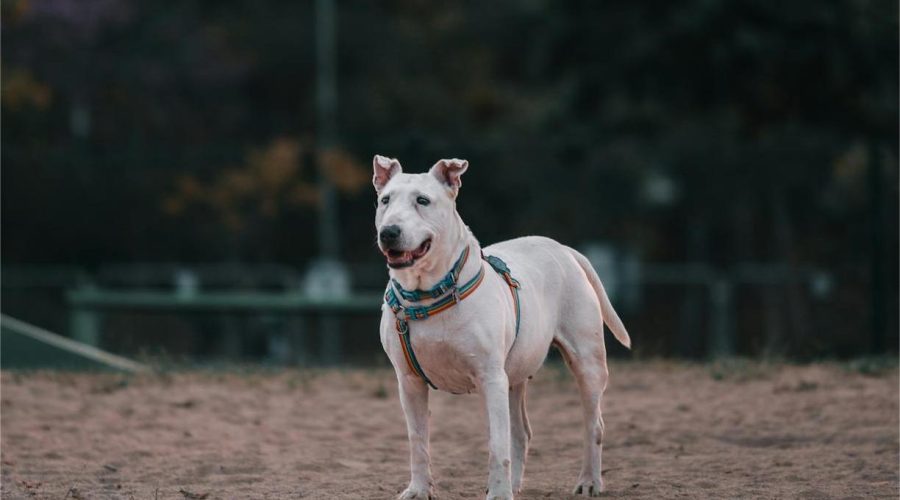
If you’re lucky enough to share your home with a Bull Terrier, you already know how lively, charming, and affectionate these dogs are. But with their unique coat and sensitive skin, grooming is more than just a way to keep them looking sharp it’s essential for their health and comfort. In this guide, we’ll walk through everything you need to know about Bull Terrier grooming, from brushing routines to bathing, nail care, and skin health.
Bull Terriers have a short, dense coat that lies flat against the skin. Unlike long-haired breeds, they don’t need elaborate trims, but they do shed moderately year-round. Their coat is easy to manage, yet their skin can be prone to allergies, dryness, or irritation, so grooming is about more than looksit’s about prevention.
Before diving into routines, let’s talk tools:
Having the right tools ensures grooming is safe, effective, and stress-free.
Brushing once or twice a week is usually enough to remove loose hairs and keep the coat shiny. Use a rubber curry brush in circular motions it feels like a massage and boosts blood circulation. Regular brushing also reduces shedding on your furniture and clothing.
Bull Terriers don’t need frequent baths. Once every 4–6 weeks is enough unless they roll in something messy. Use lukewarm water and a mild, dog-specific shampoo. Harsh products strip natural oils and cause dryness. During the bath, pay attention to folds of skin and under the neck, where dirt tends to collect.
Skip the high-heat dryer. Instead, towel-dry your pup and, if needed, use a blow dryer on a cool setting. This prevents skin irritation and overheating. Always check the ears and paws to make sure no moisture is trapped.
Skin sensitivity is a common issue. Watch for redness, hot spots, or excessive scratching. To help:
If skin issues persist, a vet visit is the best option.
Long nails make walking uncomfortable and can even cause injury. Trim every 3–4 weeks. If you hear clicking on the floor, it’s time. Use a guillotine clipper or grinder, and trim small sections at a time to avoid cutting into the quick.
Bull Terrier ears stand upright, which allows airflow, but they still need attention. Clean with a vet-approved ear solution once every couple of weeks. Gently wipe the outer ear and avoid inserting anything deep inside. Redness, foul odor, or discharge means a vet check is needed.
Dental health is often overlooked but crucial. Brush your Bull Terrier’s teeth 2–3 times a week with canine toothpaste. Chew toys and dental sticks can help reduce plaque buildup, but brushing remains the gold standard.
Some Bull Terriers develop tear stains, especially in lighter coats. Use a damp cloth to gently wipe around the eyes daily. Persistent discharge or redness may indicate an infection and requires veterinary care.
Active Bull Terriers often wear down their paw pads. Check regularly for cuts, cracks, or lodged debris. Moisturizing paw balms help prevent dryness, especially in hot or cold weather.
Bull Terriers shed moderately, especially during seasonal changes. Weekly brushing, a balanced diet, and omega-rich supplements reduce excess shedding. Using a lint roller or vacuum with a pet attachment will also keep your home hair-free.
Most Bull Terrier owners can manage grooming at home. However, a professional groomer may be helpful for nail trims, deep cleaning, or when you need expert care for skin issues. Consider professional visits every few months as a supplement to your home routine.
Clean dogs start with a clean environment. Wash their bedding weekly, vacuum often, and wipe down toys and bowls. A hygienic living space prevents skin flare-ups and infections.
Grooming a Bull Terrier doesn’t need to be complicated, but it does require consistency. With the right tools, routine care, and attention to their sensitive skin, you’ll keep your Bull Terrier not only looking sleek but also feeling comfortable and healthy. Remember, grooming is bonding timeit strengthens your connection while keeping your pup in top condition.
1. How often should I brush my Bull Terrier?
Once or twice a week is enough to control shedding and keep the coat healthy.
2. Do Bull Terriers need haircuts?
No, their short coat doesn’t require trimming just regular brushing and bathing.
3. How often should I bathe my Bull Terrier?
Every 4–6 weeks or as needed if they get dirty.
4. Are Bull Terriers prone to skin problems?
Yes, they can develop allergies and irritations, so gentle grooming is key.
5. What’s the best shampoo for Bull Terriers?
A mild, hypoallergenic, dog-specific shampoo is best to protect sensitive skin.
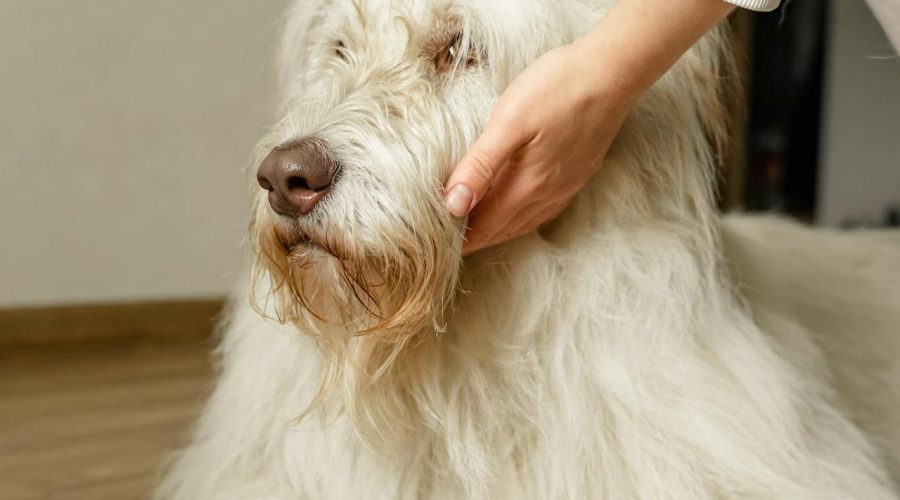
If you’ve ever seen a Keeshond, you know they’re walking clouds of fluff with big smiles. Their coat is one of their most defining features, but it’s also one of the most high-maintenance. Grooming a Keeshond isn’t just about beauty—it’s about keeping them healthy, comfortable, and happy. In this guide, we’ll break down everything you need to know about Keeshond grooming and how to maintain that luxurious coat.
Keeshonds have a thick double coat: a soft, dense undercoat and a longer, harsher outer coat. The undercoat provides insulation, while the outer coat protects against dirt and weather. Together, they give the Keeshond that “lion-like” mane around the neck.
Twice a year, usually in spring and fall, Keeshonds experience “blowing coat” season. This is when they shed heavily, losing much of their undercoat. Regular grooming during this period is crucial.
Without proper grooming, the Keeshond’s coat can easily mat and tangle, trapping dirt and even pests. Grooming also helps distribute natural oils, prevents skin issues, and reduces the amount of fur floating around your home.
Perfect for detangling and removing loose hair from the topcoat.
Essential for reaching the dense undercoat and preventing mats.
Helps catch hidden tangles and ensures a smooth finish.
For trimming small areas and keeping nails short.
Brush at least 2–3 times per week, and daily during shedding season. Start from the skin and work outward in layers to ensure you reach the undercoat.
Keeshonds don’t need frequent baths—every 6–8 weeks is fine unless they get especially dirty. Always use a dog-safe shampoo that won’t strip their natural oils.
After a bath, dry the coat thoroughly with a blow dryer on a cool setting. Damp fur can cause mats and skin issues. Brush while drying to prevent tangles.
Keeshonds don’t require full haircuts, but trimming around the feet, hocks, and sanitary areas helps maintain neatness.
On average, a weekly grooming session is a must. During heavy shedding, you may need to brush daily to manage loose hair.
Be prepared for fur everywhere twice a year. During this time, more frequent grooming is the only solution.
Puppies have a softer coat that’s easier to manage, but as they grow, their adult coat requires more effort. Start grooming early to get them used to the process.
While many owners groom their Keeshonds at home, professional grooming every few months can help maintain coat health and catch issues you might miss.
Use a damp cloth to wipe away tear stains and gently clean ears to prevent infections.
Brush teeth several times a week and provide dental chews to prevent tartar.
Trim nails regularly and check paw pads for debris or cracks.
Beyond looks, grooming helps you spot health problems early, like skin irritations, parasites, or unusual lumps.
Reward your Keeshond with treats and praise. Keep sessions short at first and gradually increase time to make grooming enjoyable instead of stressful.
Keeshonds are stunning dogs, but their beautiful double coat requires dedication. With the right tools, techniques, and a consistent routine, you can keep your Keeshond looking majestic and feeling comfortable. Grooming isn’t just about appearance—it’s about bonding and keeping your fluffy friend healthy.
1. How often should I brush my Keeshond?
At least 2–3 times per week, and daily during shedding season.
2. Can I shave my Keeshond in summer?
No, shaving removes their natural insulation and can harm their skin.
3. Do Keeshonds need professional grooming?
Not always, but professional grooming every few months helps with coat health.
4. How often should I bathe my Keeshond?
Every 6–8 weeks, unless they get very dirty.
5. What’s the best brush for a Keeshond?
A slicker brush and an undercoat rake are essential for maintaining their double coat.
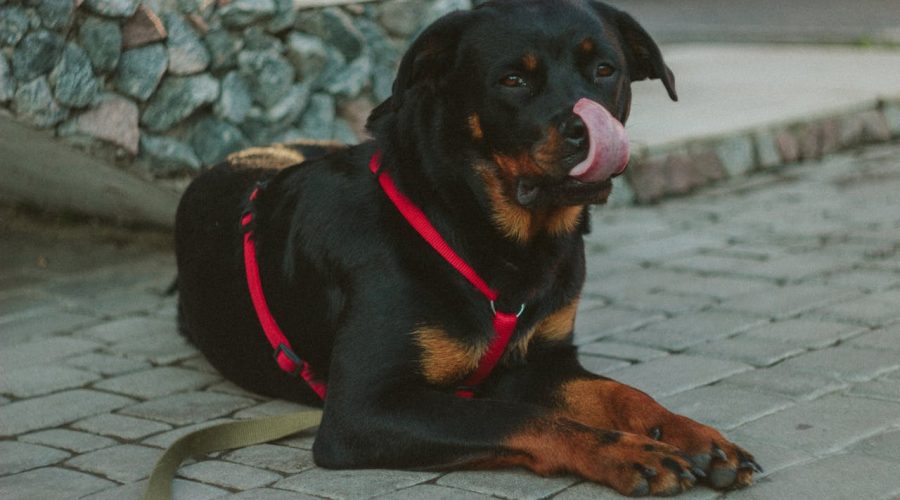
Rottweilers are strong, loyal, and intelligent dogs with powerful builds. To keep them healthy, active, and thriving, proper nutrition is key. A well-balanced diet fuels their growth, protects them from common health problems, and ensures they live long, happy lives. In this guide, we’ll break down the best foods and nutrition tips tailored specifically for Rottweilers.
As a large breed, Rottweilers have different dietary needs compared to smaller dogs. They need more protein for muscle development, controlled fat for energy, and the right balance of vitamins and minerals to support their bones and joints. Their diet should also support their active lifestyle while preventing obesity.
Puppies grow fast, so they need calorie-rich, nutrient-dense meals. Choose high-quality puppy food designed for large breeds. Feed them 3–4 small meals a day to avoid overloading their stomachs. Avoid overfeeding, as rapid growth can lead to joint problems later in life.
An adult Rottweiler needs a balanced diet to maintain muscle and prevent obesity. Meals should include lean protein, healthy fats, and moderate carbs. Avoid free feeding, as Rottweilers are prone to overeating. Instead, stick to 2 meals per day and measure portions based on weight and activity level.
Older Rottweilers require fewer calories but more joint-supportive nutrients. Look for foods with glucosamine, chondroitin, and omega-3 fatty acids. Switch to senior formulas that support digestion and keep their weight under control. Avoid high-fat foods that can strain their metabolism.
Look for foods rich in chicken, beef, lamb, fish, and wholesome carbs like sweet potatoes, oats, and brown rice. Omega-3s from fish oil or flaxseed support joint health and keep their coats glossy.
Skip foods with artificial colors, preservatives, and cheap fillers like corn, soy, and wheat. Never feed toxic foods such as chocolate, onions, garlic, grapes, or raisins.
Some Rottweilers may need special diets:
Avoid free feeding—it often leads to overeating.
Always provide fresh water. Dehydration can cause fatigue, poor digestion, and even kidney problems. If your Rottweiler eats dry kibble, hydration is even more critical.
Homemade meals give you full control but can be tricky to balance. Always consult your vet before switching. High-quality commercial foods are convenient and already balanced but make sure they meet large breed needs.
Treats are great for training but use them wisely. Replace high-calorie treats with carrot sticks, apple slices (no seeds), or training-sized kibble to avoid weight gain.
Nutrition plays a massive role in your Rottweiler’s growth, energy, and overall health. A balanced diet filled with high-quality protein, healthy fats, and essential nutrients keeps them strong and happy. Whether you choose kibble, wet, raw, or homemade food, always focus on balance, portion control, and consistency.
1. What is the best food for a Rottweiler puppy?
High-quality large breed puppy food with balanced protein and fat levels.
2. How often should I feed my adult Rottweiler?
Twice a day with measured portions.
3. Can Rottweilers eat a raw diet?
Yes, but it must be carefully balanced to avoid nutrient deficiencies.
4. What foods should I never give my Rottweiler?
Chocolate, grapes, onions, garlic, and processed junk foods.
5. Do Rottweilers need supplements?
Yes, especially joint support, omega-3 fatty acids, and probiotics.

516 Columbia Blvd
Sonoma, CA 21202

Office: 772-619-6309
Inquiries: 772-619-6432

Mon - Fri: 9am - 8pm
Sat - Sun: Closed