984-489-7877
Call us today

984-489-7877
Call us today

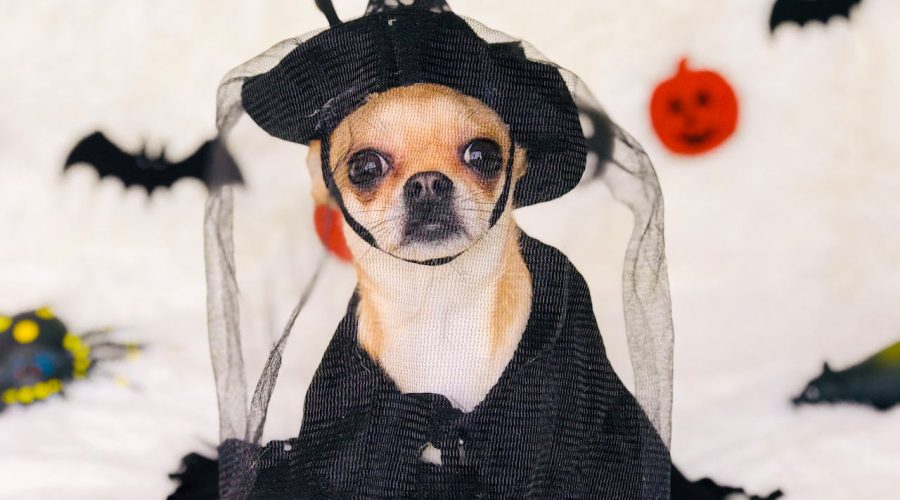
Halloween is one of the most exciting nights of the year, filled with spooky decorations, fun costumes, and endless treats. But if you’re a Puppy owner, the celebration comes with a few extra considerations. These lovable little dogs thrive on fun and attention, but they can also get overwhelmed by the chaos of Halloween night. So, how do you make the evening magical while keeping your pup happy and safe? Let’s dive into everything you need to know about decorating, costumes, and care for your Puppy on Halloween.
Puppies are affectionate, playful, and full of personality. They’re often nicknamed the “American Gentleman” for their tuxedo-like coat and sweet nature. But when it comes to holidays like Halloween, you should consider:
Knowing your dog’s quirks will help you plan a night that’s fun for both of you.
Consistency is key for Puppys. They thrive on routine, so keep feeding, walking, and playtime schedules as normal as possible. If your dog is used to quiet evenings, prepare in advance for the doorbell ringing all night with trick-or-treaters. Consider:
Decorating is half the fun of Halloween, but Puppies are curious explorers. That means some decorations can be dangerous.
Want festive decorations that won’t endanger your dog? Try:
Dressing up is one of the highlights of Halloween. Thankfully, Puppys look adorable in just about anything. Some fun ideas include:
DIY options can also save money and allow customization.
While costumes are cute, comfort always comes first. Avoid anything that:
If your Puppy shows signs of stress like pawing, panting, or freezing, ditch the costume and try a festive bandana instead.
Candy is everywhere during Halloween, but most of it is dangerous for dogs. Keep your Puppy away from:
Instead, treat your pup with dog-safe snacks. Some ideas:
Puppys love people, but the constant flow of strangers can be overwhelming. To prepare:
If your pup loves attention, let trick-or-treaters say hello—but always supervise.
Want to bring your Puppy along? Make sure they’re ready for the adventure.
Remember, Halloween can be overwhelming for dogs, so watch for signs they’re ready to head home.
Not all Halloween fun has to be people-focused. Try these activities with your Puppy:
Puppies can be prone to anxiety. On Halloween, fireworks, costumes, and noise can heighten their stress. Signs include trembling, excessive barking, or hiding. To help:
If you’re heading to a party or dog-friendly event, keep travel safe:
When the night ends, do a quick safety sweep:
Returning to normal routines helps your Puppy feel grounded again.
Halloween with a Puppy can be equal parts fun and memorable, as long as you balance the spooky excitement with your dog’s comfort and safety. With smart decorating, a safe costume, and some extra TLC, you and your furry friend can enjoy a night of treats without any tricks.
1. Can Puppies wear Halloween costumes comfortably?
Yes, as long as the costume is lightweight, breathable, and not restrictive. Always monitor your dog’s behavior to ensure comfort.
2. What are some safe Halloween treats for Puppies?
Pumpkin treats, unsweetened yogurt bites, or homemade dog-friendly peanut butter cookies are great options.
3. Should I take my Puppy trick-or-treating?
You can, but keep walks short, use reflective gear, and watch for signs of stress.
4. How can I calm my Puppy if they’re scared of Halloween noises?
Provide a safe room, use white noise, or try an anxiety vest. Familiar toys and your presence also help.
5. Are Halloween decorations dangerous for dogs?
Some can be. Avoid open flames, wires, small choking hazards, and toxic items. Stick with pet-safe alternatives.

Traveling with a Golden Retriever is both exciting and rewarding. These friendly, loyal dogs are natural adventurers who thrive on new experiences. Whether it’s a road trip, flight, or outdoor vacation, a Golden Retriever can be the perfect travel buddy. But traveling with a large, energetic breed comes with challenges. From safety to comfort, preparation is key. In this guide, we’ll cover everything you need to know for smooth and stress-free adventures with your Golden Retriever.
Golden Retrievers are generally adaptable, but every dog has its quirks. Some love car rides and exploring, while others may get anxious in unfamiliar settings. Pay attention to your dog’s comfort level with travel by starting with short trips before long journeys. Remember, Golden Retrievers are social dogs, so they’ll enjoy being with you just make sure their physical and emotional needs are met.
Before any trip, visit your vet. Ensure your dog is up to date on vaccinations, flea and tick prevention, and heartworm medication. Ask your vet about travel-specific health concerns, such as motion sickness or anxiety remedies.
If traveling across state or country borders, carry vaccination records and health certificates. Always keep your Golden Retriever’s collar with an ID tag that includes your contact information. A microchip is also highly recommended.
Basic obedience training is essential. Commands like sit, stay, come, and leave it will help keep your Golden Retriever safe during trips. Also, train them to feel comfortable in crates, cars, and around strangers.
Packing these items ensures your pup feels at home wherever you go.
Large breeds like Golden Retrievers should either be in a secured crate or use a harness seatbelt. This prevents injuries in case of sudden stops.
Airlines have strict policies. Golden Retrievers usually travel in the cargo hold due to their size. Use an airline-approved crate and make sure your dog is comfortable with it beforehand.
Check pet policies before booking. Many ferries and trains allow pets, but they may require crates or specific seating areas.
Golden Retrievers generally love car rides, but long trips require preparation.
Flying with a Golden Retriever requires extra planning.
Rules vary. Some train services allow large dogs, while most buses restrict them. Always check in advance. Bring a comfortable mat or crate, and keep your dog calm with familiar toys or treats.
Many hotel chains now offer pet-friendly rooms. Some even provide dog beds, bowls, and treats.
These can be ideal if you want a homelike environment. Look for rentals with fenced yards where your Golden Retriever can safely play.
Golden Retrievers love the outdoors, making campsites a great option. Just remember to follow leash rules and keep your dog safe from wildlife.
Golden Retrievers thrive on routine. Try to keep feeding, bathroom, and exercise schedules consistent. Carry the same brand of food they eat at home to avoid stomach upsets.
Golden Retrievers were bred for retrieving and swimming, making them natural outdoor companions.
Traveling with a Golden Retriever can be a wonderful experience when done right. Preparation, safety, and routine are the keys to stress-free journeys. With the right approach, you’ll not only enjoy your trip but also create lasting memories with your furry companion.
Q1. Can Golden Retrievers handle long flights?
Yes, but preparation is essential. Use an airline-approved crate, book direct flights, and avoid extreme temperatures.
Q2. What is the best age to start traveling with a Golden Retriever?
You can start short trips as early as 12 weeks old after vaccinations. Longer trips are best once they’re well-trained.
Q3. How do I calm my Golden Retriever during trips?
Familiar items, calming aids, and plenty of breaks help reduce anxiety.
Q4. Should I sedate my dog before traveling?
No, sedation is not recommended for flights. Instead, consult your vet for safe calming alternatives.
Q5. How much exercise does a Golden Retriever need while traveling?
At least 1–2 hours daily. Breaks for walks, playtime, and runs are essential during long trips.
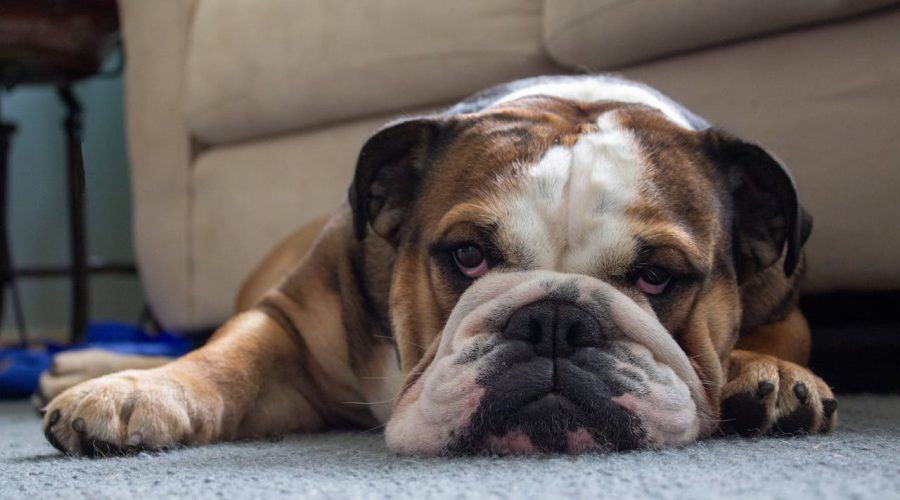
Bulky body, smooshy face, droopy eyes, and a heart of gold. English Bulldogs are iconic and irresistibly lovable. But if you’re a new or soon-to-be Bulldog owner, there are some very important things you should know to give your wrinkly friend the happiest, healthiest life possible. This guide covers everything from training tips to health care and everything in between.
The English Bulldog has a surprisingly rough history. Originally bred in 13th-century England for bull-baiting (yes, really!), Bulldogs were muscular, fierce, and aggressive. Thankfully, after the sport was outlawed, breeders worked hard to shape them into the gentle, affectionate companions we know today.
Think stocky body, wide shoulders, short legs, and that unforgettable wrinkled face. Bulldogs typically weigh 40–55 pounds and have a short, smooth coat. Their underbite and jowls give them a permanent “grumpy” lookdon’t be fooled; they’re total sweethearts.
English Bulldogs are known for their laid-back, couch-potato vibe. But don’t mistake this calmness for obedience they can be very stubborn. Training them requires a lot of patience and positive reinforcement.
Bulldogs adore human companionship. They’re especially great with children thanks to their gentle, protective nature. They’re loyal to the core and make fantastic family pets.
This breed doesn’t do well in extreme temperatures, especially heat. Due to their short noses (brachycephalic), they struggle to regulate body temperature and can overheat quickly.
Sure, they don’t need long jogs or fetch marathons, but Bulldogs need daily care, skin cleaning, vet checkups, and a close eye on their breathing.
Bulldogs have narrow nostrils and elongated soft palates, which makes breathing a chore especially during play or warm weather. Surgery is sometimes needed to improve airflow.
Their adorable wrinkles can trap moisture, food, and bacteria, leading to skin fold dermatitis. Regular cleaning is a must to avoid infections and odors.
Hip dysplasia, elbow issues, and arthritis are common. Keeping them at a healthy weight and avoiding jumping off high surfaces helps a lot.
Bulldogs love to eat and overeat. Measuring meals, avoiding table scraps, and using slow-feeders can help prevent obesity.
Many Bulldogs have food sensitivities. Grain-free or limited-ingredient diets often work well. If your Bulldog is itchy or has frequent ear infections, check with your vet about food allergies.
Use unscented baby wipes or dog-safe cleansers to gently clean between skin folds daily. Dry thoroughly to prevent bacterial growth.
Their short coats shed moderately but don’t require intense brushing. Nail trims, however, should be regular overgrown nails cause discomfort and joint stress.
A couple of 15-minute walks per day are plenty. Avoid exercise in hot weather, and always bring water.
Treat puzzles, chew toys, and short training sessions help keep their brain engaged. Bulldogs may not be athletes, but they love a challenge (when treats are involved!).
Bulldogs respond best to firm, kind leadership. Harsh corrections don’t work. Use positive reinforcement, think treats, praise, and consistency.
Bulldogs can be slow to potty train. Crate training works wonders. Stick to a schedule and celebrate every win.
Block access to stairs, keep chewable items off the floor, and avoid slippery tile floors. Bulldogs are top-heavy and prone to tumbles.
They love a soft bed, a cool corner in summer, and a blanket in winter. Avoid placing their bed near heaters or in direct sun.
Always buckle them up with a harness or secured crate. Keep AC on and make frequent stops for hydration.
Many airlines don’t allow Bulldogs in cargo due to breathing risks. Always check policies and consider car travel for long-distance trips.
Like all puppies, they go through a teething phase. Provide safe chew toys and introduce them to new people, sounds, and places early.
Vaccinations, deworming, and early health screenings are crucial. Build a relationship with your vet early on.
Reputable breeders prioritize health and temperament. But don’t forget rescuesmany wonderful Bulldogs need loving homes.
Senior Bulldogs may slow down, gain weight, or develop joint issues. Regular vet care and comfy bedding make a big difference.
From Spike in Tom and Jerry to Winston in The Secret Life of Pets, Bulldogs are movie stars in their own right.
Did you know a Bulldog named Otto set a world record for skateboarding under the legs of 30 people? Bulldogs are full of surprises!
Owning an English Bulldog is a unique adventure. They’re stubborn, yes but they’re also loyal, hilarious, affectionate, and full of character. They thrive on routine, attention, and love. With the right care, Bulldogs are some of the most rewarding pets you’ll ever know.
Q1. Are English Bulldogs good apartment dogs?
Yes! Their low energy makes them ideal for small spaces. Just make sure they get daily walks.
Q2. How often should I clean my Bulldog’s wrinkles?
Ideally, every day or every other day. Dirty folds can lead to infections quickly.
Q3. Do Bulldogs bark a lot?
Not usually. Bulldogs are fairly quiet and more likely to grunt or snore than bark.
Q4. Can Bulldogs swim?
Nope. Their heavy build and flat face make swimming unsafe. Always supervise them near water.
Q5. What’s the average cost of Bulldog care annually?
It varies, but plans for $1,500–$3,000 including food, vet visits, grooming, and potential medical issues.
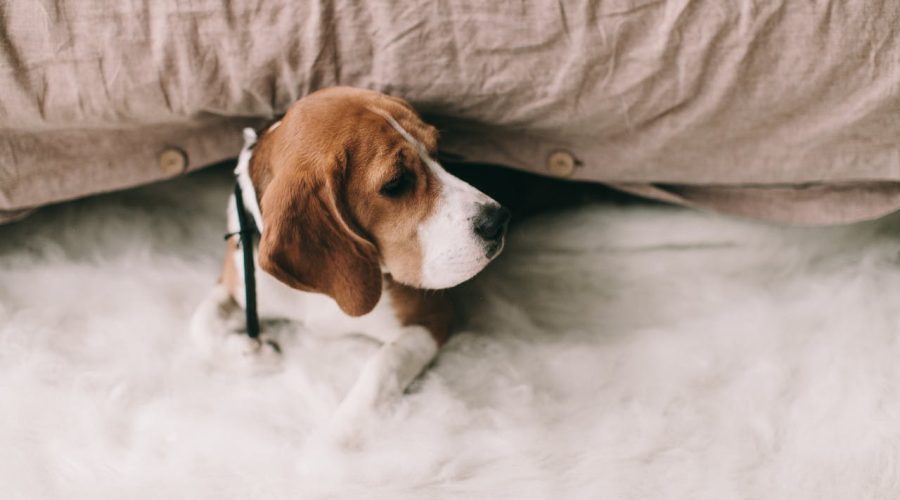
Beagle puppies are full of energy, curiosity, and playfulness. But when winter rolls around, their needs change. Shorter days, colder temperatures, and icy conditions mean Beagle owners must adjust their puppy’s care routine to keep them healthy, comfortable, and happy.
From feeding and hydration to exercise and health precautions, this guide will walk you through everything you need to know about caring for your Beagle puppy during the winter months.
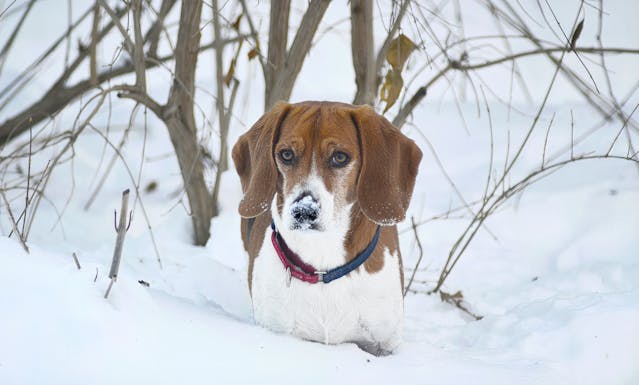
Beagle puppies are naturally active and burn plenty of calories exploring, sniffing, and playing. In cold weather, their bodies may use more energy to stay warm, which can slightly increase their caloric needs.
Beagles are scent hounds that need daily exercise and mental stimulation, even when it’s cold. Lack of activity can lead to restlessness, chewing, or even separation anxiety.
Cold weather can impact your puppy’s health in subtle ways. Here’s what to keep in mind:
Q: How much should I feed my Beagle puppy in winter?
A: Slightly more if they are active outdoors, but monitor weight closely since Beagles gain easily. Consult your vet for exact portion adjustments.
Q: Can my Beagle puppy play in the snow?
A: Yes! Beagles love exploring, but keep sessions short and supervised. Always dry their coat, ears, and paws afterward.
Q: Do Beagle puppies need sweaters or jackets in winter?
A: Yes, especially if they’re very young, short-coated, or in freezing temperatures. A properly fitted jacket helps them stay warm.
Q: How do I keep my Beagle puppy entertained indoors?
A: Scent-based games, puzzle feeders, indoor fetch, and training sessions are great ways to keep them engaged.
Q: What’s the biggest winter health risk for Beagle puppies?
A: Cold stress (frostbite/hypothermia), ear infections from trapped moisture, and paw irritation from salt or ice are the main concerns.
Beagle puppies are adventurous little explorers who thrive when given the right care and stimulation. Winter may bring cold weather and icy conditions, but with the proper adjustments to diet, hydration, exercise, and health care, your Beagle puppy can enjoy the season safely. Keep them warm, provide plenty of play opportunities indoors, and watch them grow into a happy, healthy companion all year round.
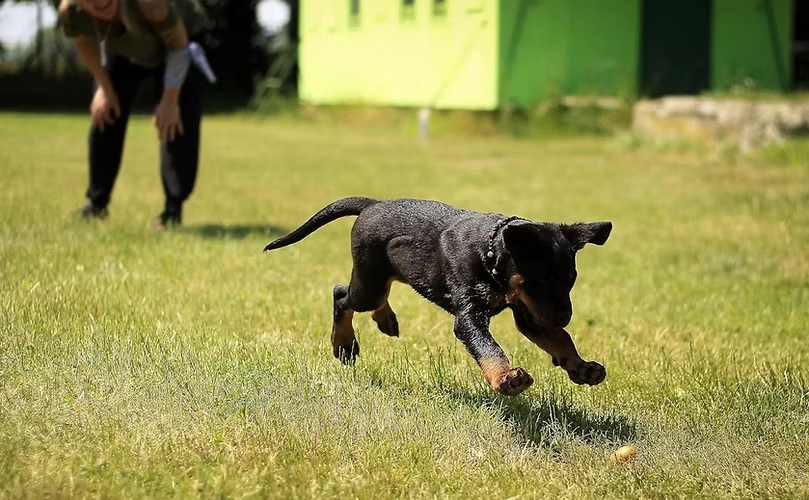
Summer, with its long, sunny days, seems like the perfect time to tackle puppy potty training.
Continue Reading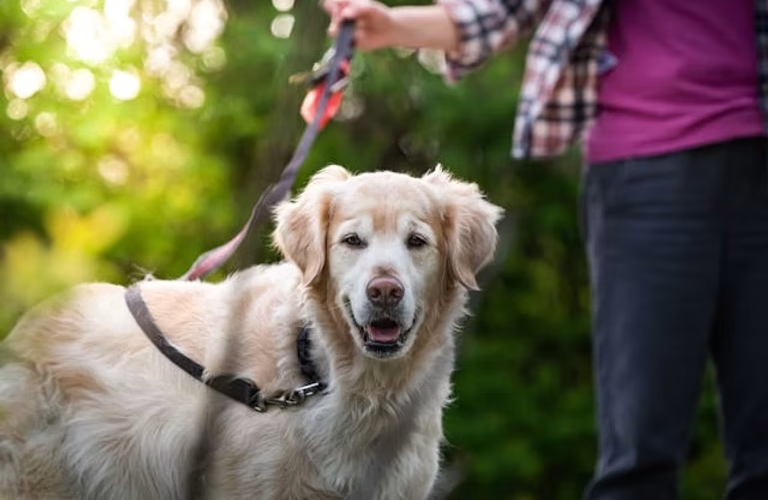
Bringing home a Golden Retriever puppy is truly a golden moment! Their fluffy charm, eager-to-please nature…
Continue Reading
Welcoming a new puppy into your home can feel like juggling a tiny whirlwind of energy and emotion.
Continue Reading
Puppyhood is a critical stage for brain development, emotional regulation, and behavior shaping.
Continue Reading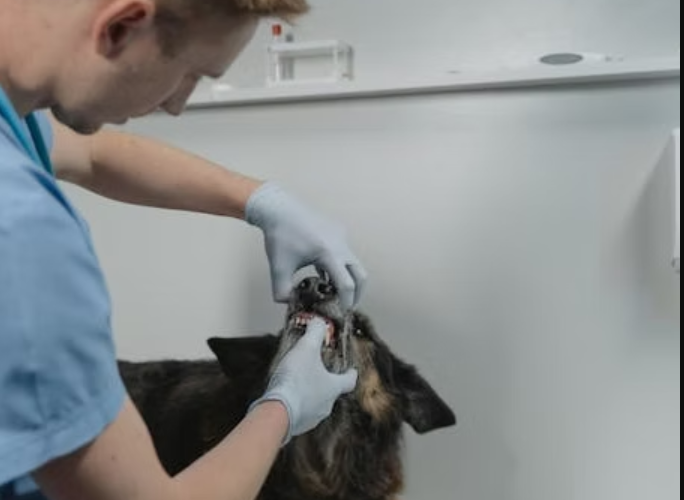
Caring for your dog’s teeth is crucial for their overall health, yet dental care is often overlooked by pet owners.
Continue Reading
516 Columbia Blvd
Sonoma, CA 21202

Office: 772-619-6309
Inquiries: 772-619-6432

Mon - Fri: 9am - 8pm
Sat - Sun: Closed